Sonoma County has voted on the latest changes to the vacation rental rules which will come into effect when the current moratorium ends in May 2023

If you've been watching Healdsburg's real estate market this year, you've probably heard the headlines about modest price declines and rising inventory. The median price dipped 5.5% to $1.15 million, absorption rates declined from 18.9% to 15.8%, and inventory climbed 21%. But here's what those numbers don't tell you: we're not experiencing one market anymore. We're witnessing three distinct markets operating under completely different rules, and understanding which segment you're in determines everything about your strategy for 2026.
I've been helping families navigate Sonoma County real estate for over a decade, and what's happening in Healdsburg right now is one of the most fascinating market dynamics I've seen. The story isn't about the overall market cooling. It's about where that cooling is actually happening and, more importantly, where it isn't.
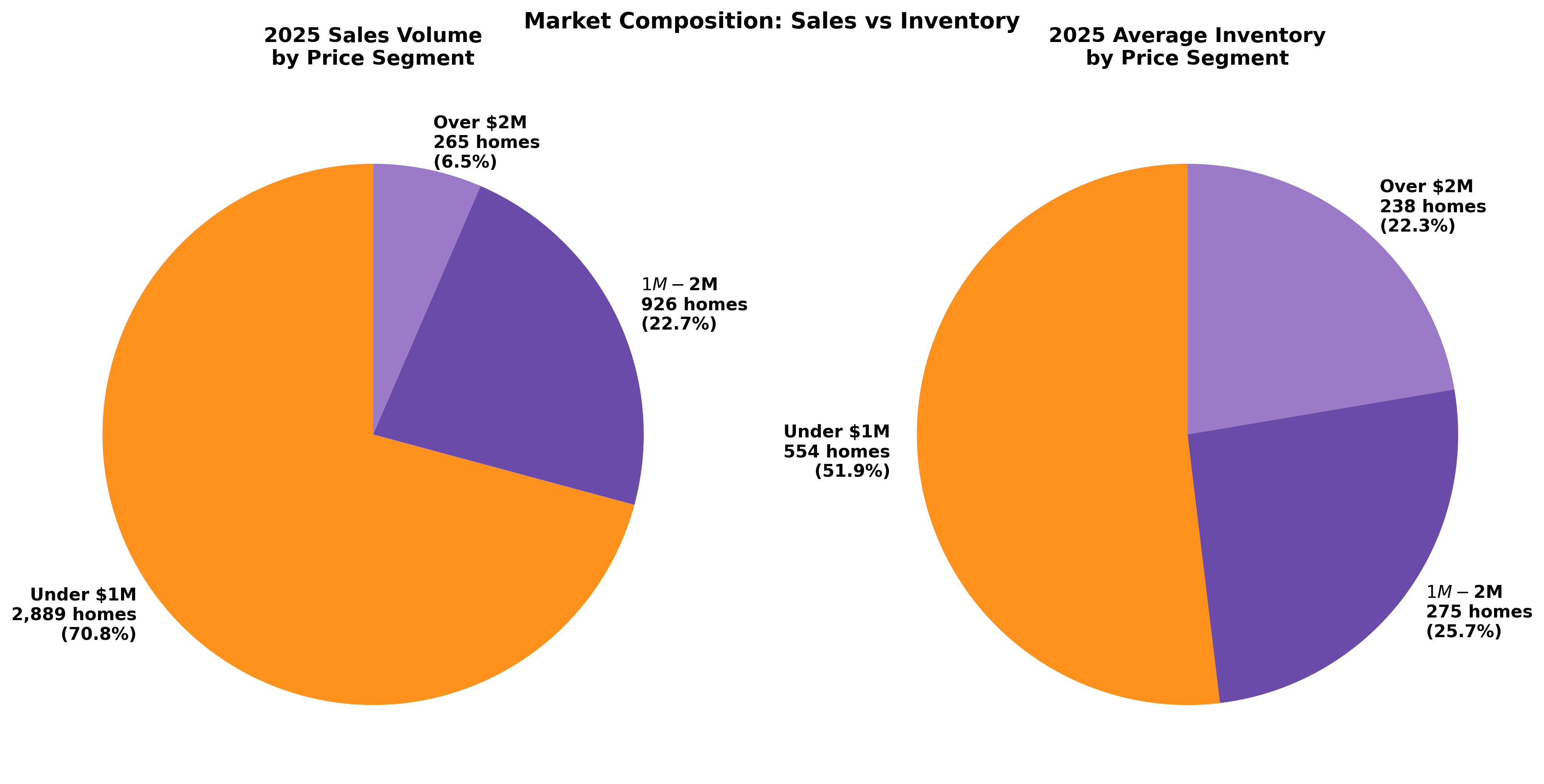
Before we dive into what's really happening, you need to understand how Healdsburg's market breaks down. Of the 185 homes that sold in 2025, nearly half sold for under $1 million. Another third sold between $1 million and $2 million. That means 79% of all Healdsburg sales happen under $2 million, while just 21% occur above that threshold. This distribution matters because it shows where the real market activity exists and where it doesn't.
The three market segments I'm seeing are the under-$1 million range, the $1 million to $2 million sweet spot, and everything above $2 million. Each segment is telling a completely different story, and if you're considering buying or selling in Healdsburg, understanding these distinctions has never been more important.
One positive trend worth highlighting before we get into the segments: sellers are finally pricing properties more realistically from the start. Homes sold at 91.8% of their original list price in 2025, up from 90.1% in 2024. This improved pricing discipline has kept days on market essentially flat at 81 days despite the overall market softening. That's actually a sign that realistic expectations are preventing the listing stagnation that plagued other markets during adjustment periods.
This shift toward realistic pricing represents an important market maturation. Sellers and their agents are learning from 2024's lessons, leading to smoother transactions and fewer frustrating price reductions. When I'm working with sellers now, we're having much more honest conversations upfront about pricing strategy, and it's making the entire process more efficient for everyone involved.
The sub-$1 million segment, which represents nearly half of all Healdsburg transactions, experienced the most dramatic shift in market dynamics. Yet here's what surprised me: it remains Healdsburg's most active and resilient price range.
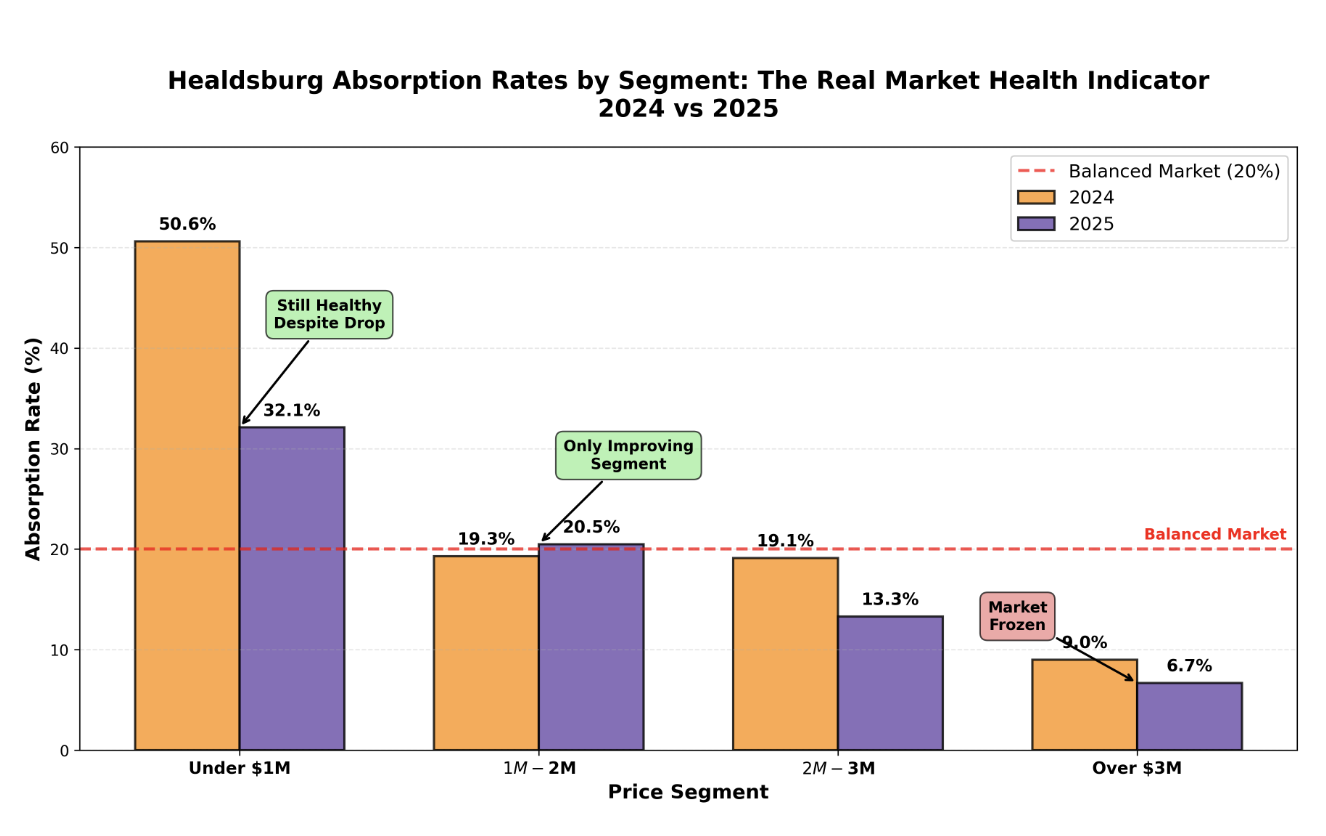
Days on market surged 41% from 57 to 80 days. The bidding wars and weekend offer deadlines that characterized 2024 are largely over. The absorption rate dropped from a scorching 50.6% to 32.1%, but here's the crucial context: that still means roughly one in three homes sells each month. That's anywhere from two to five times better than the higher price segments.
What makes this segment particularly interesting is the inventory paradox I'm seeing. Despite a massive 36% increase in available homes, jumping from 210 to 286 properties, months of inventory actually improved from 4.7 to 4.0 months. This is the only segment in the entire Healdsburg market where supply months decreased. While individual homes are taking longer to sell, the overall market is absorbing the increased supply efficiently. That's a sign of fundamentally strong demand.
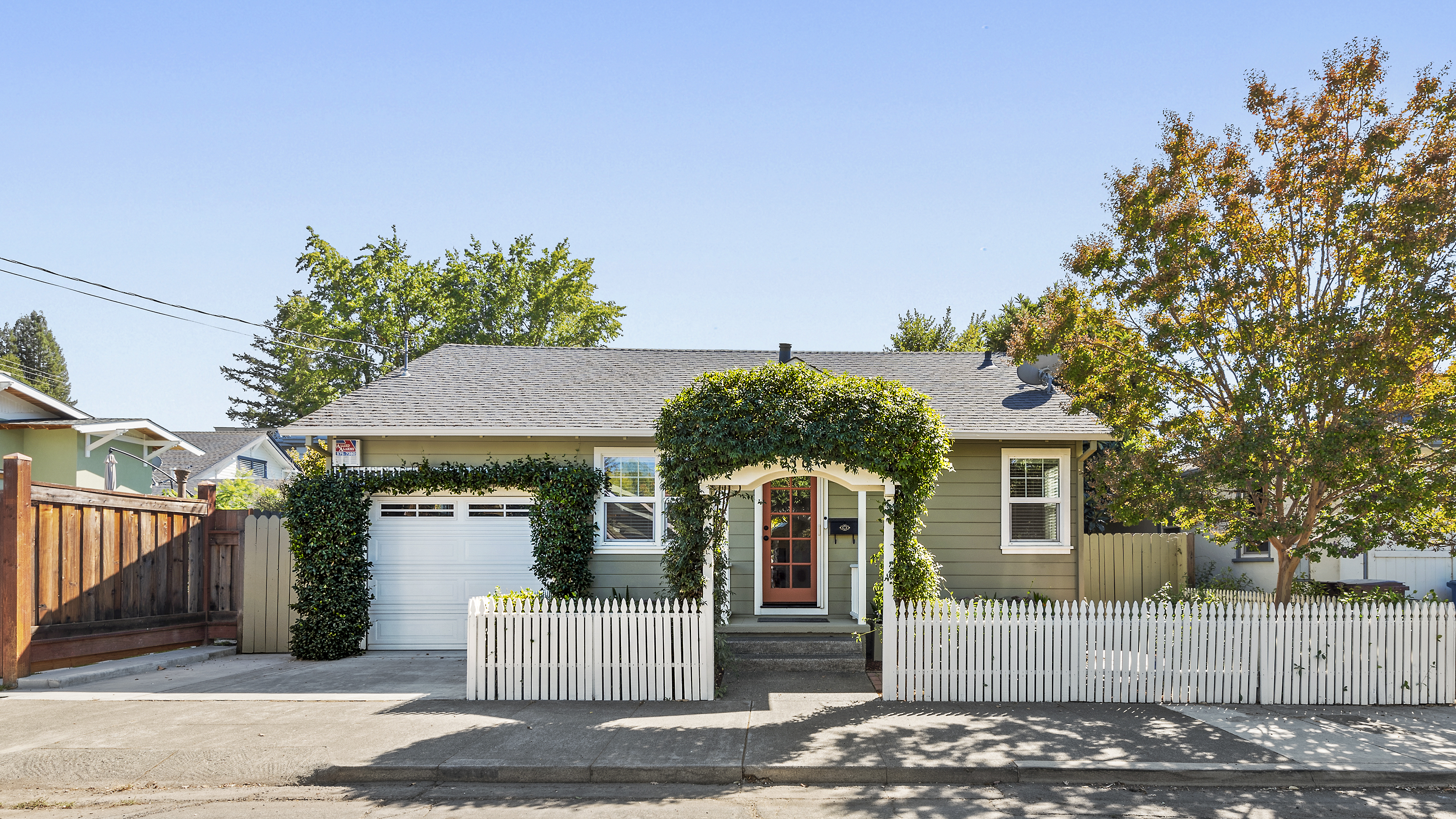
Prices have held remarkably well, declining just 1.8% to a median of $775,000. For buyers who've been priced out of Healdsburg in recent years, this segment offers the best combination of relative affordability and price stability. You're getting wine country living in one of Sonoma County's most desirable towns for under $1 million, which is increasingly rare.
What this means for you: If you're a buyer in this range, you now have time to be thoughtful rather than rushed. Properties priced realistically will still move, but you're no longer competing against five other offers every weekend. I'm advising my buyer clients to take their time, get thorough inspections, and negotiate from a position of strength. For sellers, the days of overpricing and relying on bidding wars to hit your number are over. Price your home correctly from the start at around 93% of what you hope to net, and you'll find motivated buyers ready to move forward.
If there's a clear winner in the 2025 Healdsburg market, it's this segment. Representing over one-third of all transactions, the $1 million to $2 million market showed strength across virtually every meaningful metric while every other price range faced challenges.
Sales volume grew 19%, adding 10 actual transactions to reach 63 closed deals. This wasn't just market share shifting. This was real growth in a year when the overall market grew only 7%. Properties in this range sold in 71 days, the fastest of any segment, and actually improved from 78 days in 2024.
Perhaps most telling: sellers are achieving 95% of their asking price, second only to the under-$1 million segment. This pricing success, combined with reduced new listings down 11% to just 81 properties, suggests that owners in this range recognize they're holding assets in the market's most desirable zone and aren't feeling pressured to sell.
The absorption rate of 20.5% means one in five homes sells each month. That's a balanced market that benefits both buyers and sellers. There's enough activity to ensure properly priced homes move, but not so much competition that buyers feel they need to overpay.
What this means for you: This is where Healdsburg's value proposition shines brightest. You're getting true wine country living with proximity to town amenities, properties that appeal to both primary residents and second-home buyers, and a price point that's accessible to successful professionals without requiring ultra-high-net-worth status.
For my Bay Area clients considering their move to wine country, or investors seeking properties with both lifestyle appeal and solid fundamentals, this segment offers the best risk-adjusted opportunity in the market. You're buying into a segment that's proven resilient, maintains strong liquidity, and offers the lifestyle benefits that originally drew you to wine country without stretching your budget into the luxury stratosphere where market dynamics are far less predictable.
While the $2 million to $3 million and above-$3 million segments have distinct characteristics, they share a common challenge: zero sales growth despite significant price adjustments. Together, these luxury segments represent just 21% of total market activity, yet they account for the majority of Healdsburg's inventory challenges.
This segment saw the same 14 transactions close in 2025 as in 2024—literally zero growth. With inventory climbing 32% to 145 homes and months of supply surging to 10.1 months up from 7.3, this is firmly buyer's market territory.
Days on market dropped from 113 to 83 days, which might sound encouraging until you realize what it reflects: only sellers willing to accept significant discounts are getting deals done. The absorption rate plummeted 30% to just 13.3%. That means less than one in seven homes sells in any given month.
Prices have remained relatively stable with a median of $2.47 million, down just 0.6%, but with only 14 sales all year, these averages are statistically unreliable. The real story is in the price-per-square-foot decline of 10% and the fact that homes sell at 91.6% of original asking price. You need to discount 8-9% just to generate offers.
The luxury segment's challenges are even more pronounced. Like the $2 million to $3 million range, sales remained flat at 25 transactions, identical to 2024, despite major price concessions.
The median sold price dropped 20% to $4.54 million—a decline of over $1.15 million. Average prices fell 22%, and price per square foot decreased 16%. These aren't modest adjustments. They're substantial corrections. Yet even with these dramatic price cuts, the segment sits on 18.8 months of inventory. That's nearly two years of supply at current sales velocity.
The absorption rate of just 6.7% means fewer than one in fifteen homes sells each month. While days on market improved to 94 days down from 160, this improvement is misleading. It reflects only the deeply discounted properties moving while everything else sits unsold.
Active listings have adjusted downward with median asking prices dropping 12% to $5.07 million, but sellers are still accepting an average of 91% of their original list price. That indicates initial overpricing remains common even after a year of market softening.
What this means for you: If you're a buyer in these segments, you have substantial leverage, but you also need to understand what you're buying into. The properties moving are those where sellers have accepted the new market reality. Expect to negotiate 10-20% below original asking prices. The inventory glut means you can afford to be highly selective about location, condition, and value.
For sellers above $2 million, the data is unambiguous: aggressive pricing is essential. The market isn't rewarding patience. Properties that chase the market downward with multiple price reductions are taking months longer to sell than those priced correctly from the start. Consider that luxury properties are now selling at prices $1 million to $1.5 million lower than 2024 peaks, and that's what it takes to generate the 25 to 39 annual transactions these segments are producing.
I'm having some difficult but necessary conversations with luxury sellers right now. The emotional attachment to what a property was worth in 2023 or 2024 needs to give way to the reality of what buyers are willing to pay today. The sooner sellers accept current market conditions, the better their outcomes will be.
Despite the challenges in the luxury segments, Healdsburg's fundamental appeal remains intact. The market's bifurcation reflects broader wealth dynamics rather than problems with Healdsburg itself. The under-$2 million segments, which represent 79% of all sales—146 of 185 transactions—are functioning well with growing or stable transaction volumes.
For those of you in the Bay Area contemplating wine country living, the data suggests that patience and proper price positioning matter more than timing the market. The under-$2 million segments offer stable values and adequate inventory, while the luxury segment presents opportunities for buyers who can capitalize on the current supply-demand imbalance.
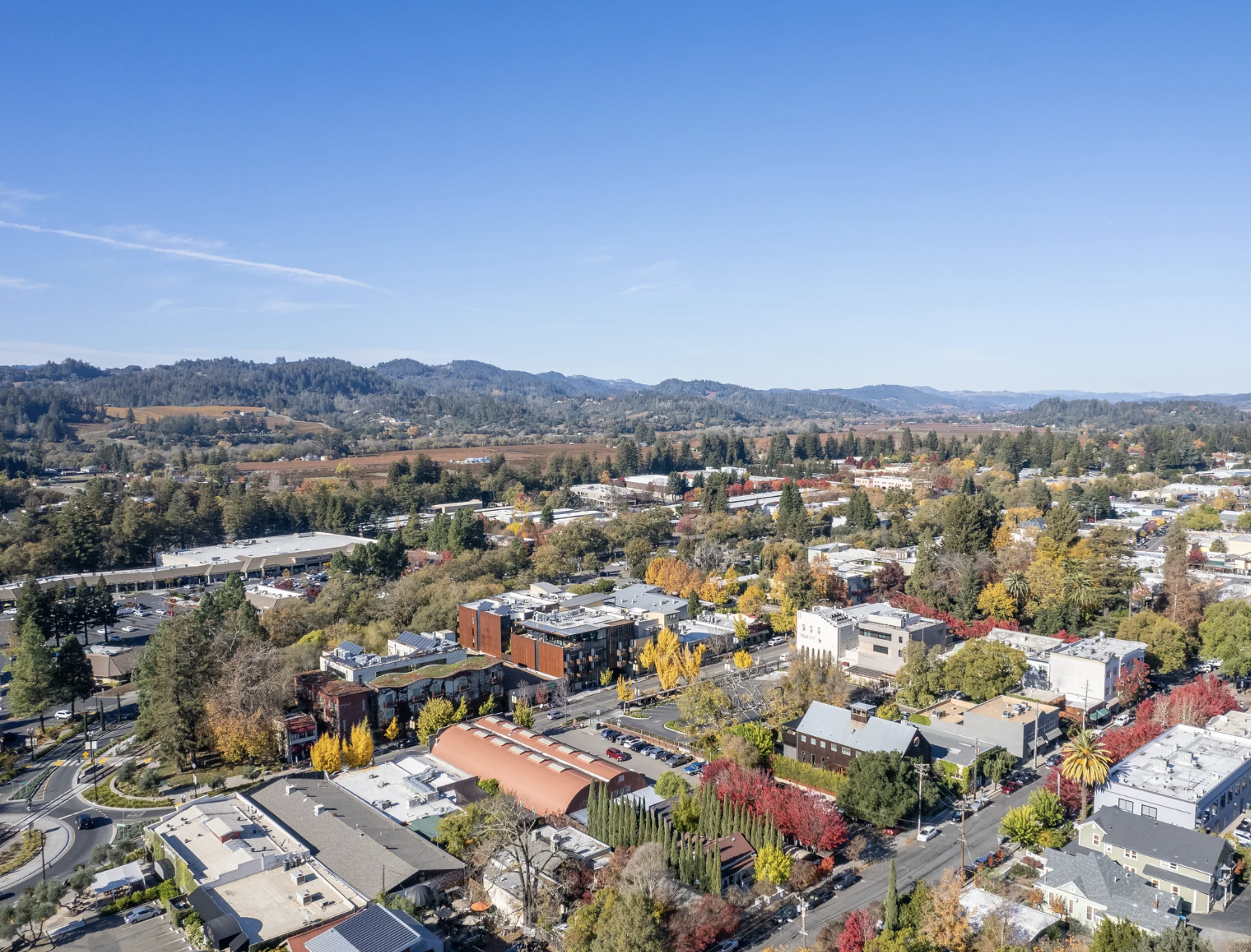
Healdsburg still offers everything that makes wine country living special: walkability to world-class restaurants and tasting rooms, a genuine small-town community feel, access to Russian River recreation, and the natural beauty of being surrounded by vineyards and mountains. Those attributes haven't changed. What's changed is that different price segments now require different strategies.
The market dynamics we're seeing aren't temporary aberrations. They reflect structural changes in buyer behavior and financing realities. The sub-$2 million segments will likely remain constrained by limited new supply, with new listings declining 2-11% across these ranges. That should support continued price stability and competition among buyers.
The luxury segments face a longer road to equilibrium. With nearly two years of inventory above $3 million and a full year's worth in the $2 million to $3 million range, significant price discovery still lies ahead unless we see a dramatic shift in buyer confidence or economic conditions. The wealth effect from strong equity markets and potential tax policy changes could help, but betting on external factors is riskier than pricing to current market realities.
For anyone considering Healdsburg real estate, whether as a primary residence, second home, or investment, the key insight is understanding which segment you're operating in. The under-$2 million market remains fundamentally sound with adequate liquidity and stable values. The luxury market requires careful navigation, realistic pricing expectations, and recognition that we're in a period of price adjustment that may extend into 2026.
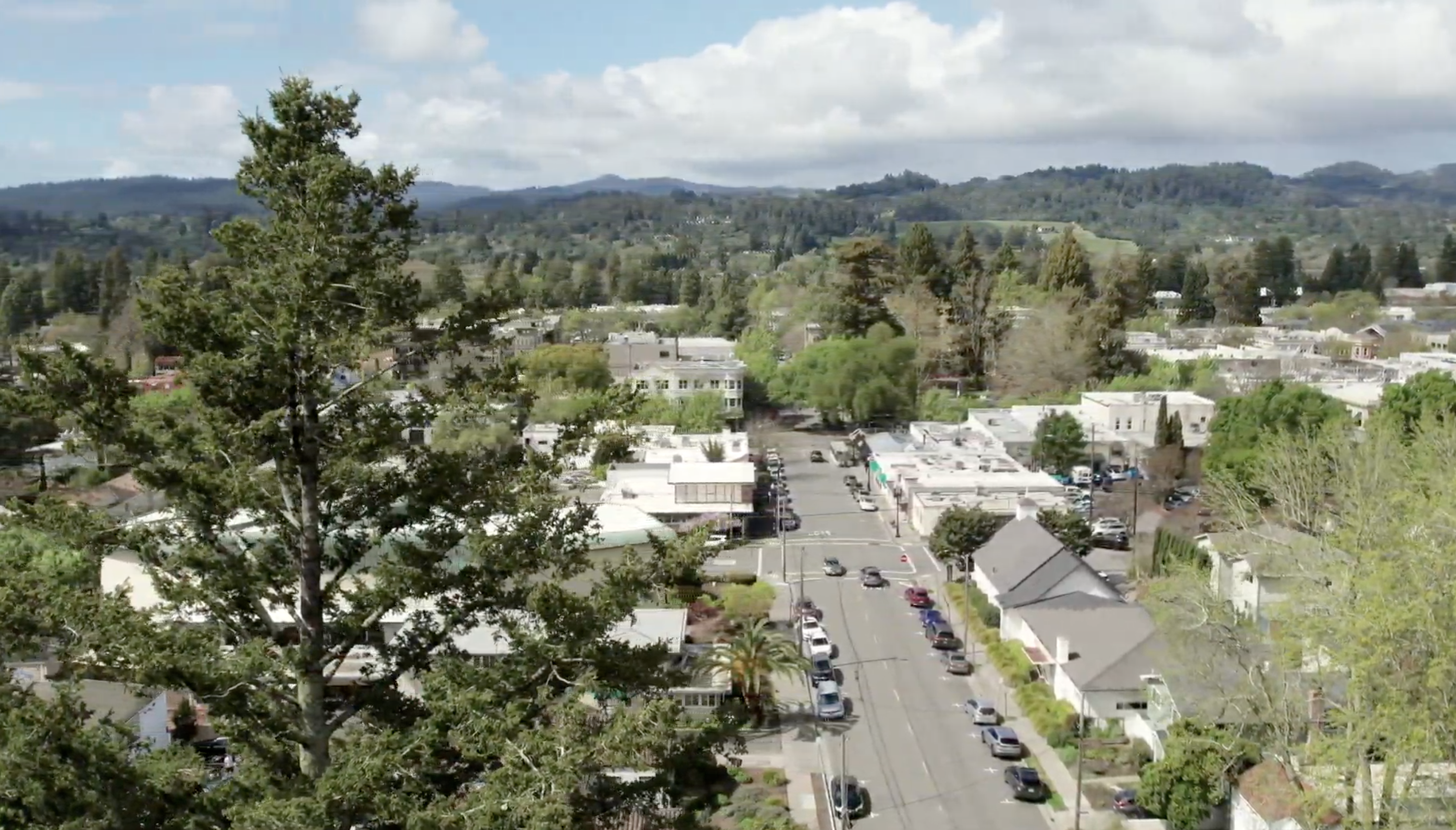
Healdsburg's appeal as a wine country destination hasn't diminished. What's changed is that different price segments now require different strategies, and success in 2026 will belong to those who adapt to these new realities rather than waiting for a return to 2023-2024 market dynamics.
The market has spoken clearly: value wins, realistic pricing matters, and the sweet spot between affordability and aspiration—that $1 million to $2 million Goldilocks zone—continues to deliver for both buyers and sellers who understand its appeal.
Whether you're considering entering the Healdsburg market or evaluating your current position, understanding these nuanced dynamics has never been more important. The opportunities are real, but they're segment-specific, and making informed decisions requires looking beyond headline numbers to understand where your particular situation fits in this increasingly stratified market.
If you're evaluating your options for buying or selling in Healdsburg, I'd welcome the opportunity to discuss how these market dynamics specifically apply to your situation. Having helped over 400 families navigate wine country real estate decisions, I can provide the detailed local insight and strategic guidance you need to make confident decisions in this evolving market.
Reach out to discuss your Healdsburg real estate goals:
David at BruingtonHargreaves
Contact@BruingtonHargreaves.com
and lumber mills. Today, it's emerged as what Travel & Leisure magazine recently dubbed
"The Jewel of California Wine Country." But what's driving this transformation, and why are so
many people choosing to make Healdsburg their home?
Investing in land in Healdsburg is a smart move. The area's real estate market is robust, with property values steadily increasing over the years. Purchasing a prime piece of land allows you to build your dream home tailored to your needs while also providing a significant return on investment. The scarcity of available land combined with the town's growing popularity ensures that your investment will appreciate over time. Whether you're looking to settle down in a serene environment or seeking a profitable investment opportunity, Healdsburg offers the perfect balance of both.
Sign in with your email address
Enter your email address