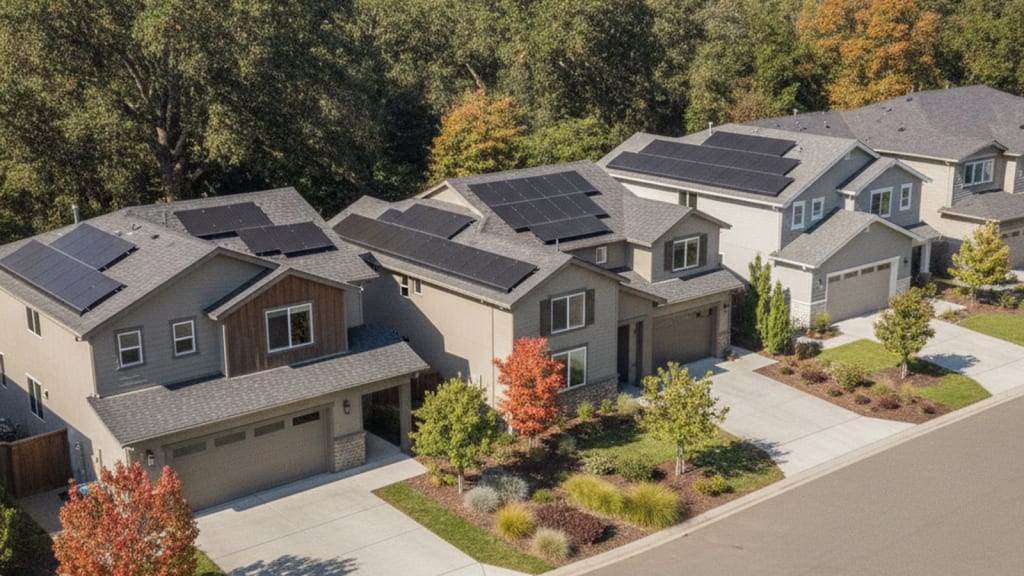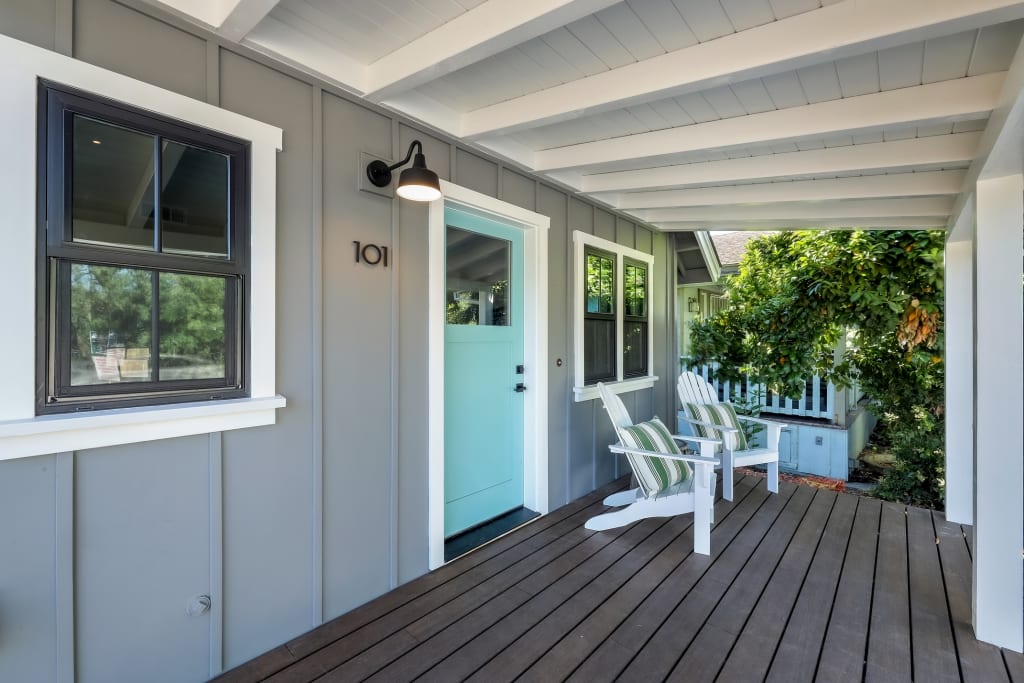
Is building an ADU a good investment? With the demand for properties with ADUs on the increase among buyers and with no shortage of tenants looking for cheaper rental alternatives, investing in ADU is a great investment.

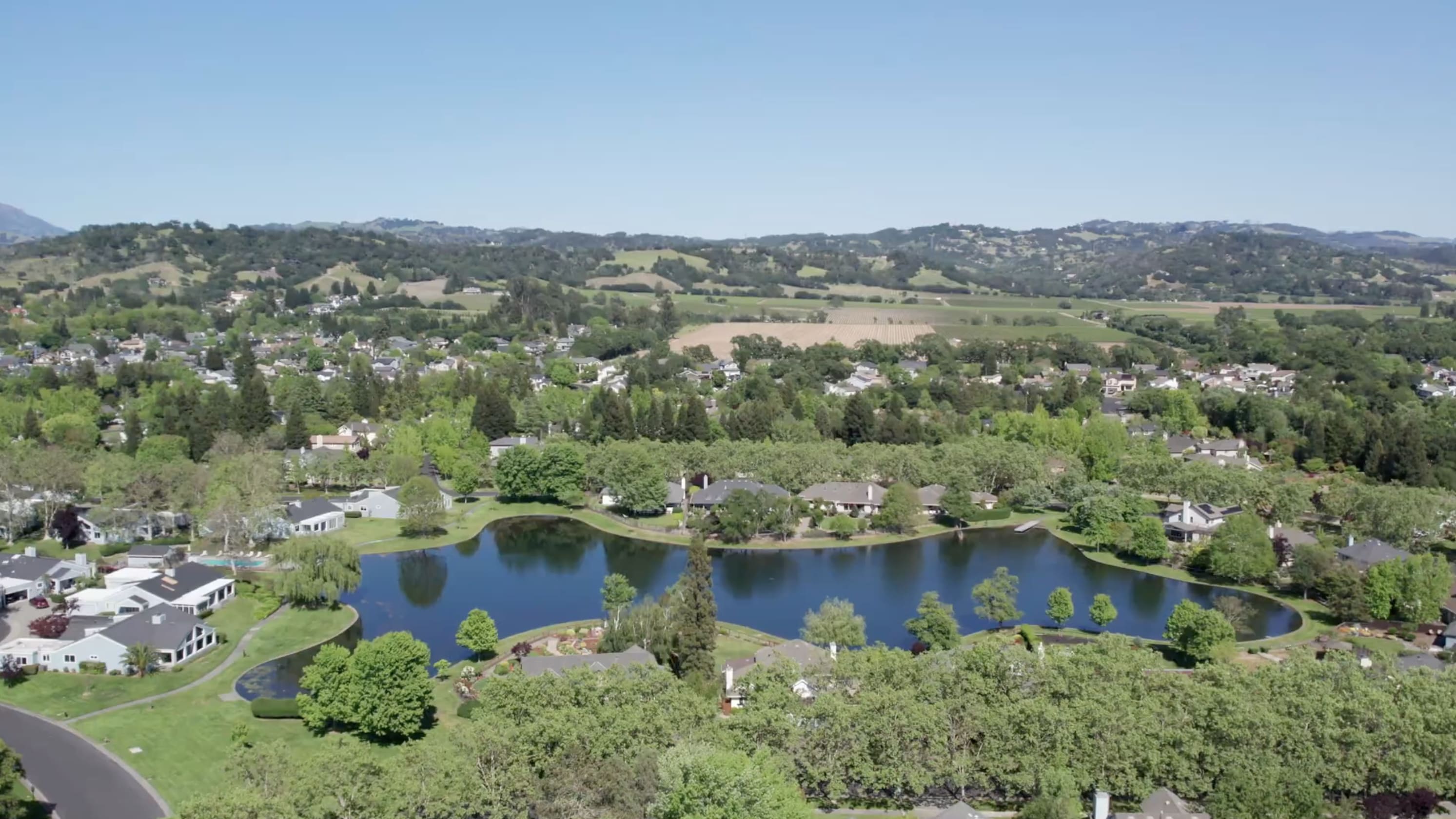
Let's say you're standing at a crossroads. Maybe you've spent years in the Bay Area and you're craving more space, a slower pace, and a chance to actually enjoy where you live. Or perhaps you're contemplating a move from somewhere else entirely, drawn by images of rolling vineyards and the promise of a better quality of life. The question isn't just whether Sonoma County is right for you—it's about understanding how to make the move work for your specific circumstances.
After spending five years here myself and working alongside my business partner Jonathan Bruington, who grew up in Sonoma County, we've helped over 400 families navigate this exact decision. Through all those conversations and transactions, we've learned something important: the secret to loving life in Sonoma County isn't just about moving here—it's about choosing the right place within the county that aligns with your lifestyle, priorities, and long-term goals.
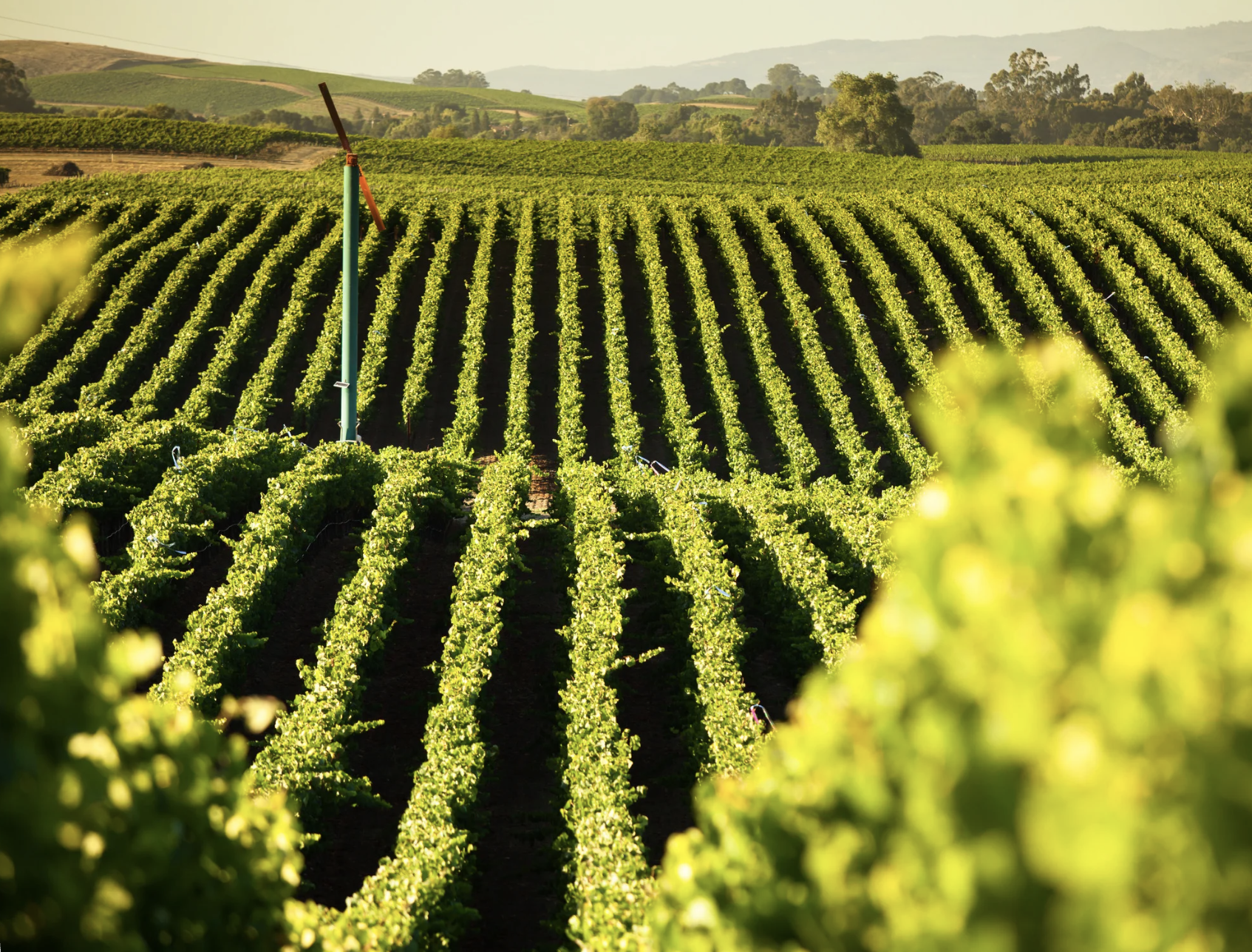
Sonoma County sits just north of San Francisco and west of Napa Valley, but describing it simply as "wine country" doesn't do it justice. What makes this region truly special is its incredible diversity. Within a single county, you can find everything from dramatic Pacific coastline to sophisticated downtown districts, from agricultural countryside to walkable historic neighborhoods. That diversity is exactly what makes choosing where to live here both exciting and challenging.
The reality is that Sonoma County isn't one market or one lifestyle—it's at least a dozen different markets and lifestyles all contained within the same county boundaries. The decision you're making isn't just about moving to Sonoma County; it's about identifying which version of Sonoma County matches what you're looking for at this stage of your life.
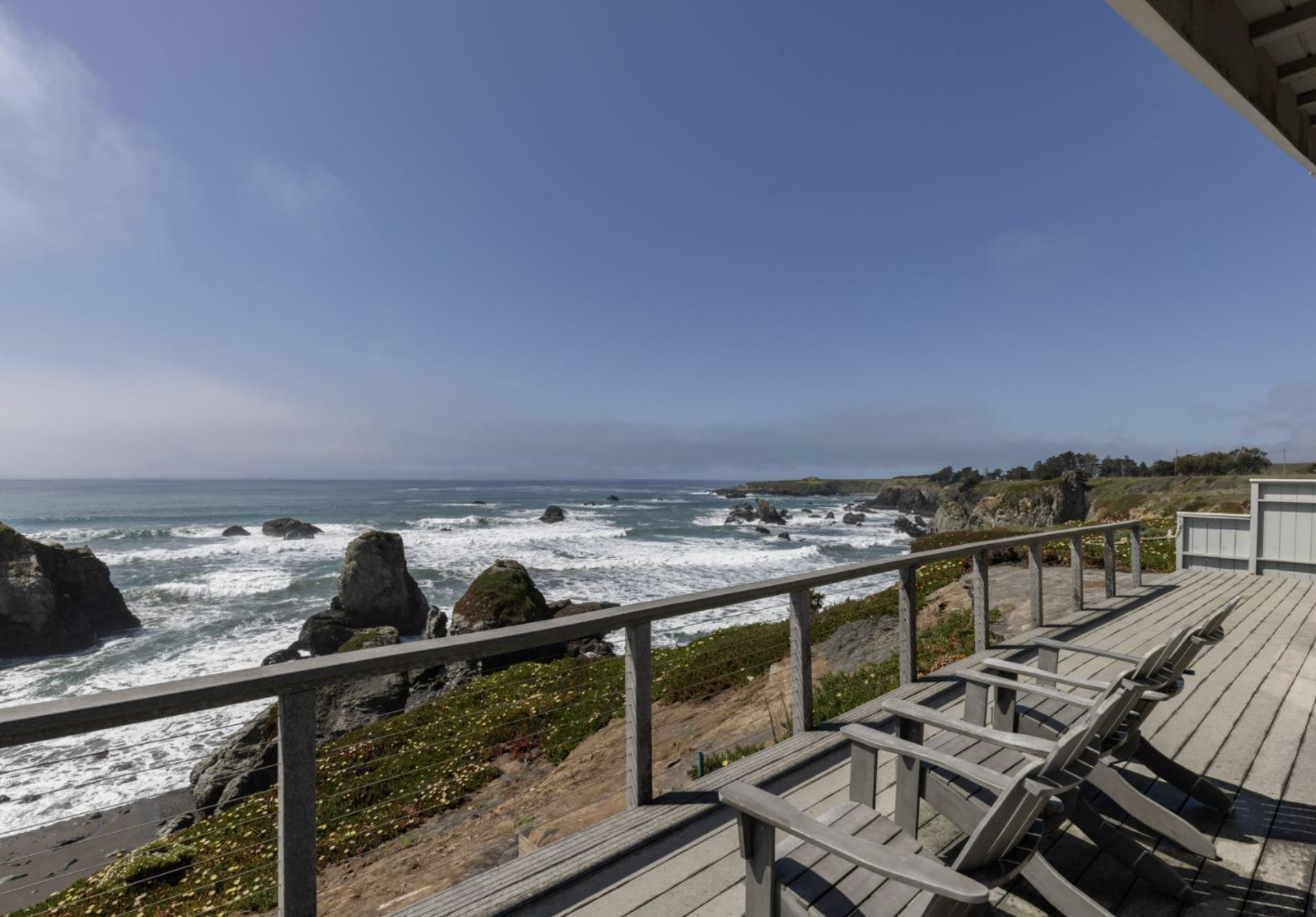
Let's start our tour along the western edge of the county, where over 55 miles of Pacific coastline create an entirely different living experience from the inland areas. Sonoma's coastal region centers around communities like Bodega Bay and extends north through places like Sea Ranch. This is where you go if you want dramatic ocean views, cooler temperatures, and an activity-centric lifestyle focused on nature.
The appeal here is straightforward. While inland areas can hit triple digits in summer, the coast stays refreshingly cool thanks to constant ocean breezes and frequent fog. If you're someone who enjoys hiking along scenic coastal trails, spending days at the beach, or watching the annual gray whale migrations that bring around 20,000 whales past these shores twice a year, the coastal region offers experiences you simply can't find elsewhere in the county.
Bodega Bay exemplifies coastal living with its fishing village character and genuine small-town feel. The community here revolves around water activities—kayaking, surfing lessons, and especially fishing at spots like Fisherman's Cove. The seafood restaurants are outstanding, drawing from the day's catch, and there's a sense of being connected to the rhythms of the ocean in a way that feels authentic rather than touristy.
That being said, coastal living comes with significant considerations. Real estate in Bodega Bay has seen substantial appreciation, with the average home now around $1.4 million, representing more than a 20 percent increase over the past three years. What used to be a relatively affordable option has become quite expensive. The trade-off here is remoteness—you're genuinely removed from the conveniences of larger towns, and getting to San Francisco means navigating winding coastal roads that can take hours.
The coastal region does offer one significant advantage for property investors: relaxed vacation rental regulations compared to other parts of the county. If you're considering a property you can enjoy personally while also generating income when you're away, the coast provides more flexibility than you'll find in most other Sonoma County communities.
If you're retired or work remotely with complete location flexibility, and you value natural beauty and outdoor activities over convenience and dining options, the coast might be ideal. But if you need to commute regularly, want easy access to services, or prefer having more restaurant and entertainment choices, you'll probably find the coastal lifestyle too isolating.
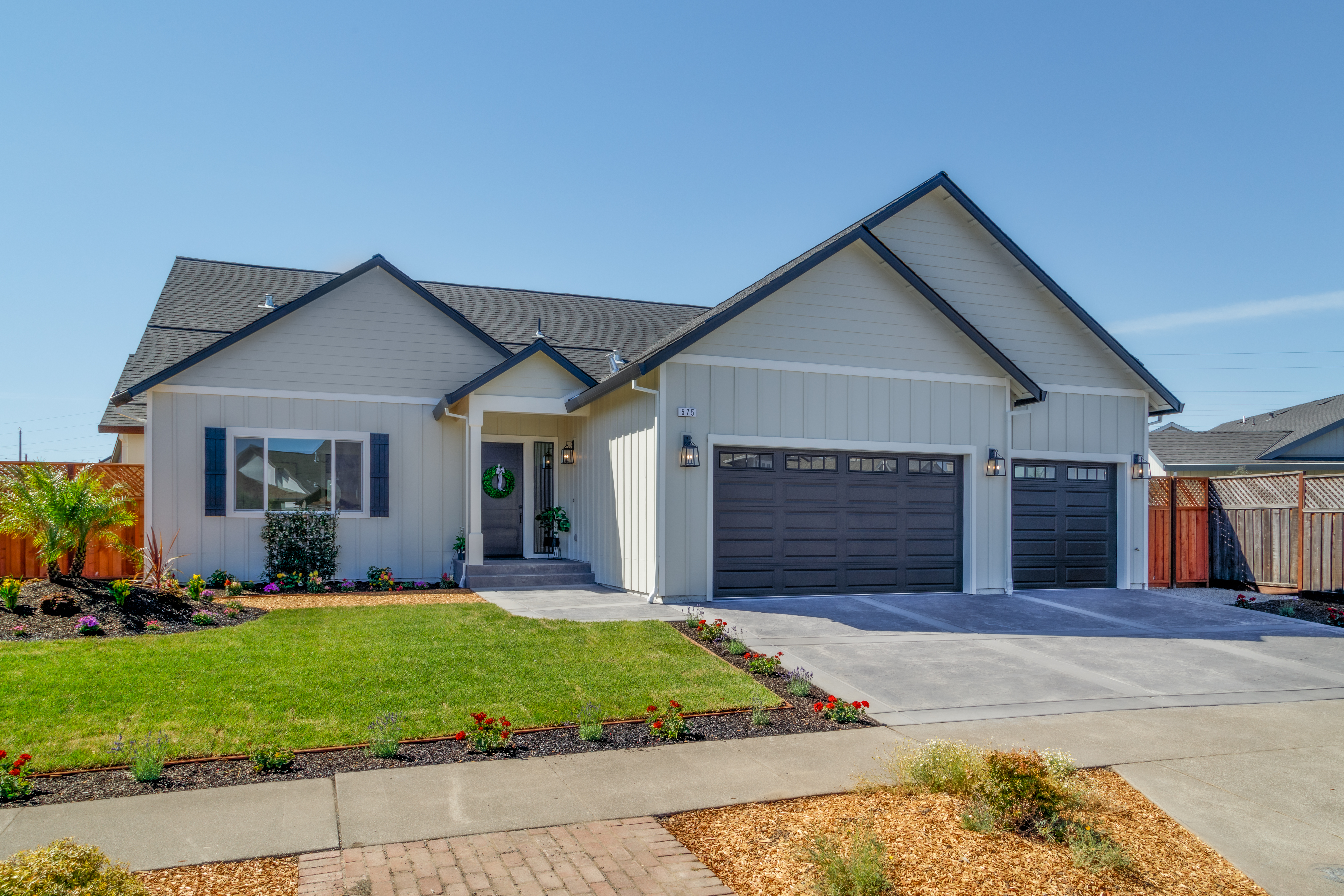
Moving inland toward the center of the county, you encounter Santa Rosa, the largest city and the economic engine of the region. Santa Rosa represents something fundamentally different from the rest of Sonoma County—this is where you come when you want actual urban amenities while still living in wine country.
As the county's business center, Santa Rosa has the most diverse economy with major medical and technology employers. That creates job opportunities you won't find in smaller communities, but it also means more traffic, more development, and a faster pace than you'll experience elsewhere in the county. For families relocating for work or people who want the option of local employment rather than commuting to San Francisco, Santa Rosa often makes the most practical sense.
What strikes many people about Santa Rosa is how much variety exists within the city boundaries. The northwest portions of the city offer more affordable housing options, making Santa Rosa one of the few places in Sonoma County where you might still find something approaching reasonable prices. Move toward the east and southeast, and you'll discover popular family neighborhoods with excellent schools and community amenities. In the northeast, areas like Fountain Grove feature luxury homes on larger lots, with properties regularly selling for $1.5 million and up.
The city offers genuine urban conveniences with three distinct shopping districts and five historic residential neighborhoods, each with its own character. Railroad Square maintains that old-time downtown feel with antique shops, coffee houses, and restaurants worth seeking out. For families, Santa Rosa provides options you won't find in smaller towns, from the Charles M. Schulz Museum celebrating the creator of Peanuts to a Snoopy-themed ice arena that's become a beloved local institution.
One significant factor that distinguishes Santa Rosa from the rest of the county is new construction. The devastating fires of 2017 and 2018 destroyed thousands of homes, and much of that housing stock has been rebuilt. If you're specifically looking for new construction in Sonoma County, Santa Rosa is essentially your only option at any scale. That gives buyers more choices than they'd have in communities where everything available was built decades ago.
Beyond the city limits, the greater Santa Rosa area includes rural properties with acreage that appeal to people wanting more land and privacy while still being relatively close to services and shopping. These properties can range well into the millions depending on size and location, offering a middle ground between urban living and complete rural isolation.
The average home price in Santa Rosa sits around $740,000, which sounds expensive until you compare it to San Francisco or even to many other Sonoma County communities. For what you're getting—good schools, diverse employment options, plenty of services and amenities, and access to everything from coffee shops to medical facilities—Santa Rosa often represents the most practical choice for families making a permanent move to the area.
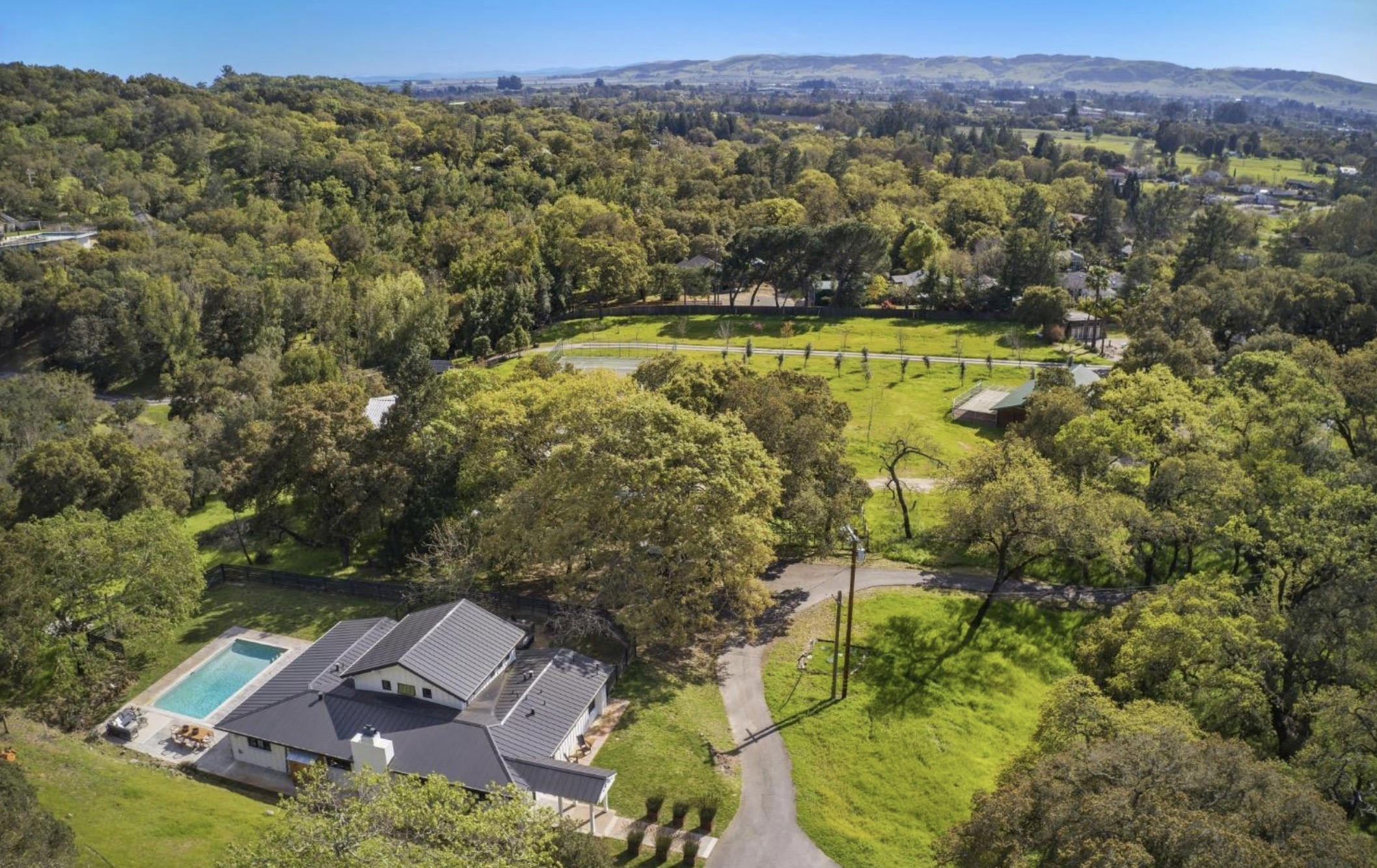
Head south from Santa Rosa into Sonoma Valley, and the entire character of the region changes. This is where wine country starts to feel more refined, more cultured, and significantly more expensive. Sonoma Valley encompasses everything from small towns like Glen Ellen and Kenwood to the city of Sonoma itself, and the connecting thread is an emphasis on food, wine, art, and the good life.
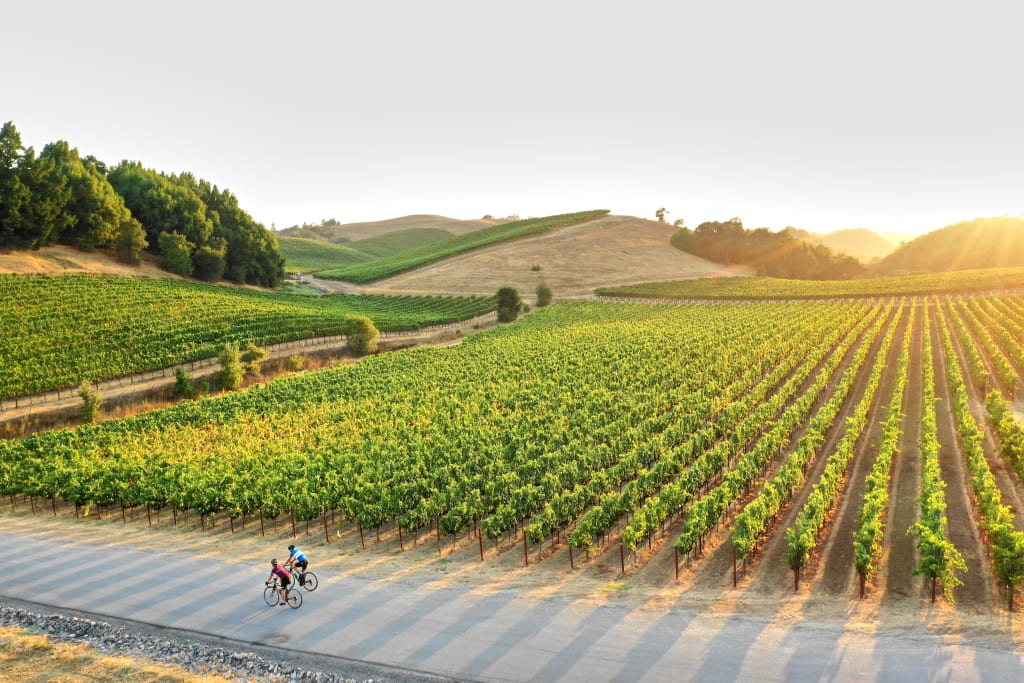
The valley showcases remarkable variety in both landscape and climate. You'll find rolling hills covered in vineyards, flat meadows perfect for agriculture, and microclimates that shift from warm sunshine to cool fog within just a few miles. That diversity means you can choose the exact environment you prefer within the valley, from sun-drenched properties ideal for growing grapes to cooler spots that feel more moderate year-round.
Small communities like Glen Ellen and Kenwood appeal to people who want to be surrounded by working vineyards with minimal urban development. These towns offer just a few restaurants and local markets, but what they lack in services they make up for in authenticity and natural beauty. You're literally living among the vines here, with wineries as your neighbors and countryside views in every direction.
The big draw for some Bay Area residents is proximity—Glen Ellen sits only 45 minutes to an hour from San Francisco, making it feasible for people who need occasional city access or want to reach SFO without too much difficulty. You get a genuine wine country experience without completely disconnecting from urban resources.
The city of Sonoma itself represents the more developed option within the valley. With its historic plaza, walkable downtown, excellent restaurants, and strong sense of community, Sonoma attracts people who want sophistication and convenience along with their wine country lifestyle. The location provides easy access to both San Francisco and Napa Valley, positioning residents at the center of Northern California's wine regions.
Sonoma's housing market reflects its desirability. The average home sells for around $1 million, with many luxury properties commanding several million dollars. The East Side of Sonoma features upscale estates with stunning vineyard views, while downtown offers historic homes within walking distance of the plaza and its restaurants and shops. Areas like Boyes Hot Springs and Agua Caliente provide slightly more affordable options without sacrificing access to the city's cultural amenities.
If you're a car enthusiast or NASCAR fan, Sonoma Raceway adds another dimension to living in this area. For over 50 years, this circuit has hosted major racing events, offering everything from casual weekend passes to premium experiences for serious racing fans.
The lifestyle in Sonoma Valley centers on enjoying the finer things—wine tasting at world-class wineries, dining at restaurants that source from local farms, attending art galleries and cultural events, and generally savoring the sophisticated side of wine country living. If that resonates with your vision of what life should look like, and you have the budget to support it, Sonoma Valley delivers that experience better than almost anywhere else.
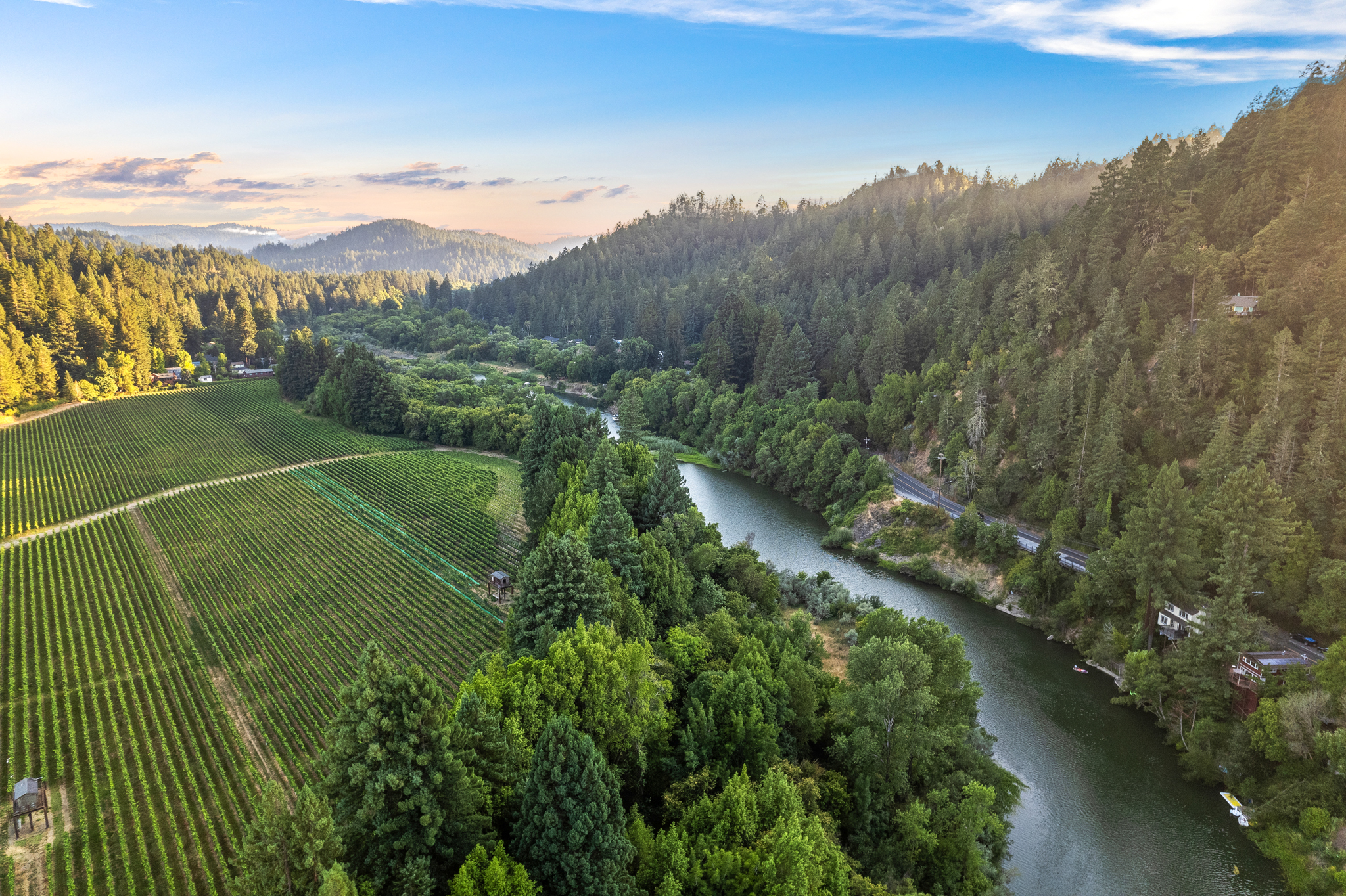
The Russian River Valley brings a distinctly different vibe to Sonoma County living. This region, which includes towns like Guerneville and extends through communities along the river, has long been known for its bohemian character, vibrant LGBTQ community, and emphasis on arts and culture over luxury and refinement.
If Sonoma Valley feels sophisticated and polished, Russian River Valley feels more relaxed and authentic in a different way. The communities here embrace diversity and individuality, hosting numerous cultural events throughout the year and maintaining a welcoming atmosphere that attracts people looking for something beyond the typical wine country experience.
The river itself creates recreational opportunities you won't find elsewhere in the county. From kayaking and canoeing to simply spending summer days on the water, living near the Russian River means having that resource as part of your daily environment. The redwood forests that line much of the valley create a sense of being immersed in nature, with cooler temperatures and more shade than you'll find in the more open vineyard areas.
Real estate along the Russian River ranges from modest cabins to substantial homes, with prices varying significantly based on location, size, and proximity to the water. What you're paying for here isn't just the property but the lifestyle and community character that comes with living in this unique pocket of Sonoma County.
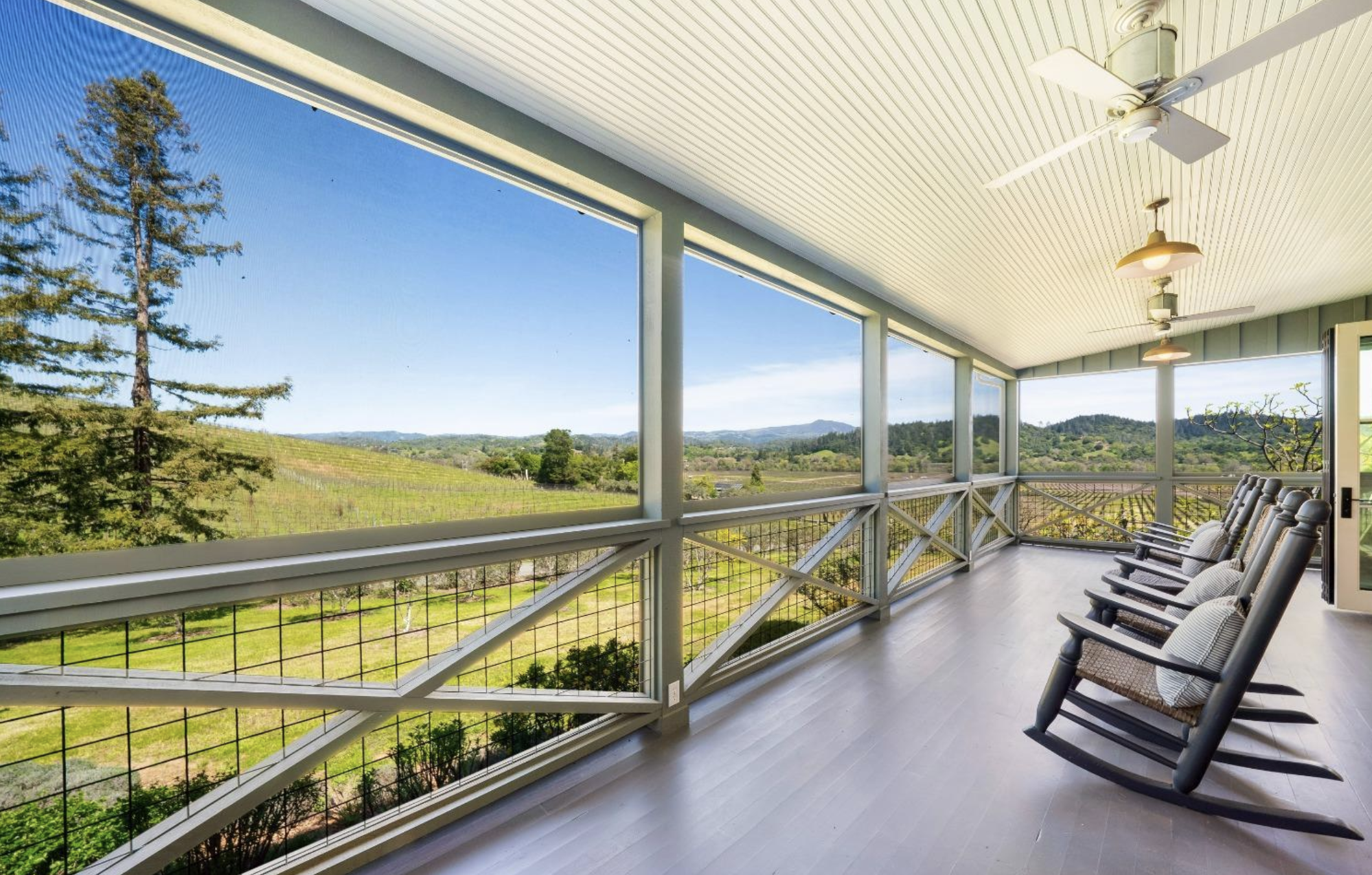
In the northern part of the county, Healdsburg has experienced a remarkable transformation over the past decade. Once a pleasant but relatively quiet wine country town, Healdsburg has emerged as a legitimate food destination, anchored by SingleThread restaurant, which recently placed 46th on the list of the world's 50 best restaurants. For a tiny town in Northern California to host one of only two U.S. restaurants on that list speaks volumes about the culinary scene that's developed here.
Healdsburg sits at the convergence of three distinct wine regions: Alexander Valley, Dry Creek Valley, and Russian River Valley. That positioning means living here puts you at the heart of some of Sonoma County's most prestigious winemaking areas, with tasting rooms and vineyard properties in every direction.
The town itself has maintained its charm while adding sophisticated restaurants, boutique shopping, and the kind of amenities that appeal to affluent buyers. The plaza remains the center of community life, with regular farmers' markets, concerts, and events that bring residents together. Unlike some wine country towns that feel empty outside tourist season, Healdsburg maintains an active year-round community.
Real estate in Healdsburg varies dramatically depending on whether you choose downtown living or rural properties in the surrounding valleys. Downtown homes, especially those within walking distance of the plaza, command premium prices reflecting the convenience and lifestyle they offer. Rural properties in areas like Alexander Valley and Dry Creek Valley provide more space and privacy, often with vineyard views or even producing vineyards, but at price points that reflect Healdsburg's increased desirability.
The decision between downtown and rural living near Healdsburg represents a choice between convenience and space that many buyers face throughout Sonoma County. Downtown means walking to restaurants and shops, engaging with the community easily, and living in a more compact, manageable property. Rural means room for a pool, privacy, connection to agricultural landscapes, and the kind of space that's increasingly rare in desirable California locations.
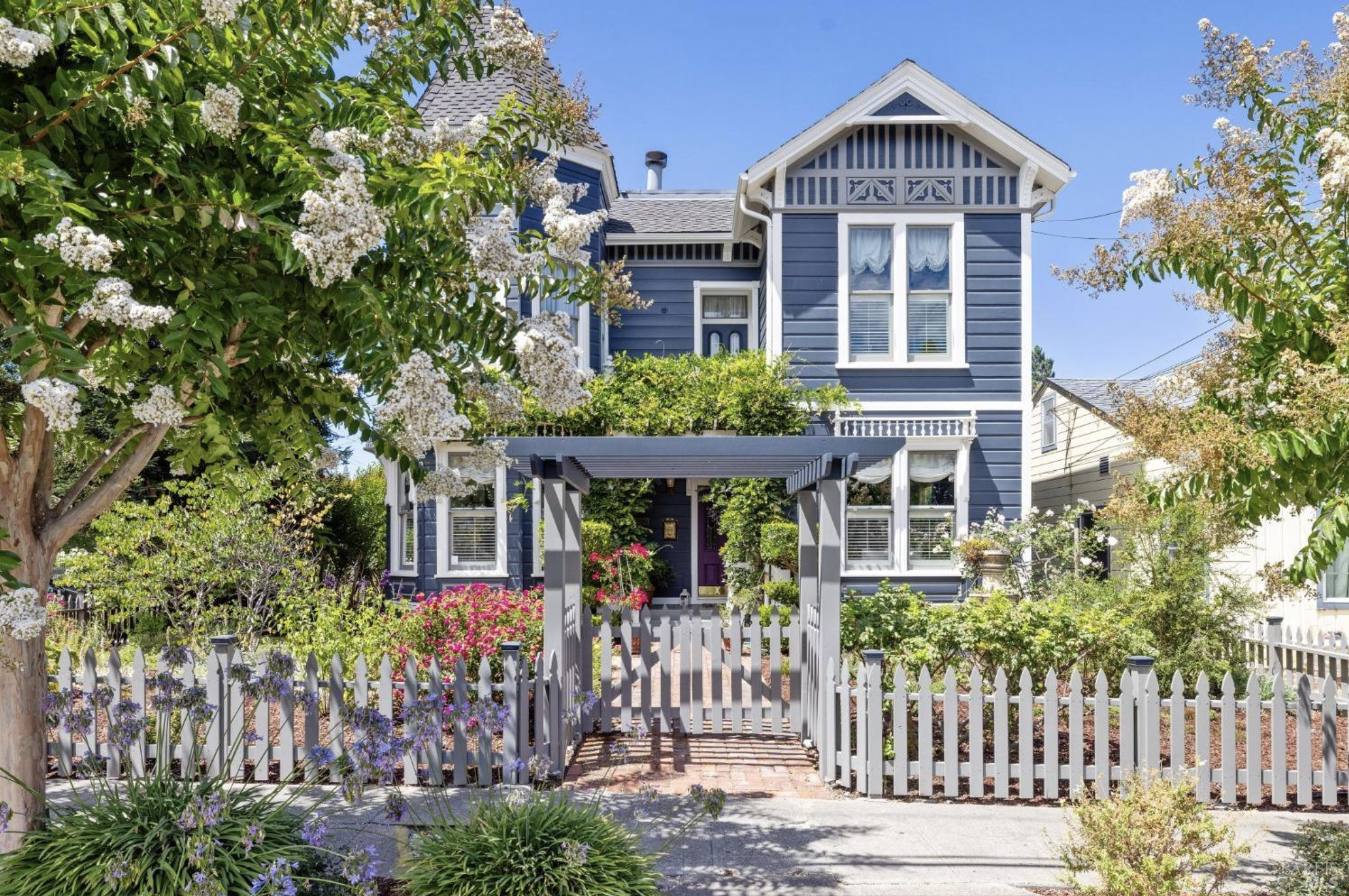
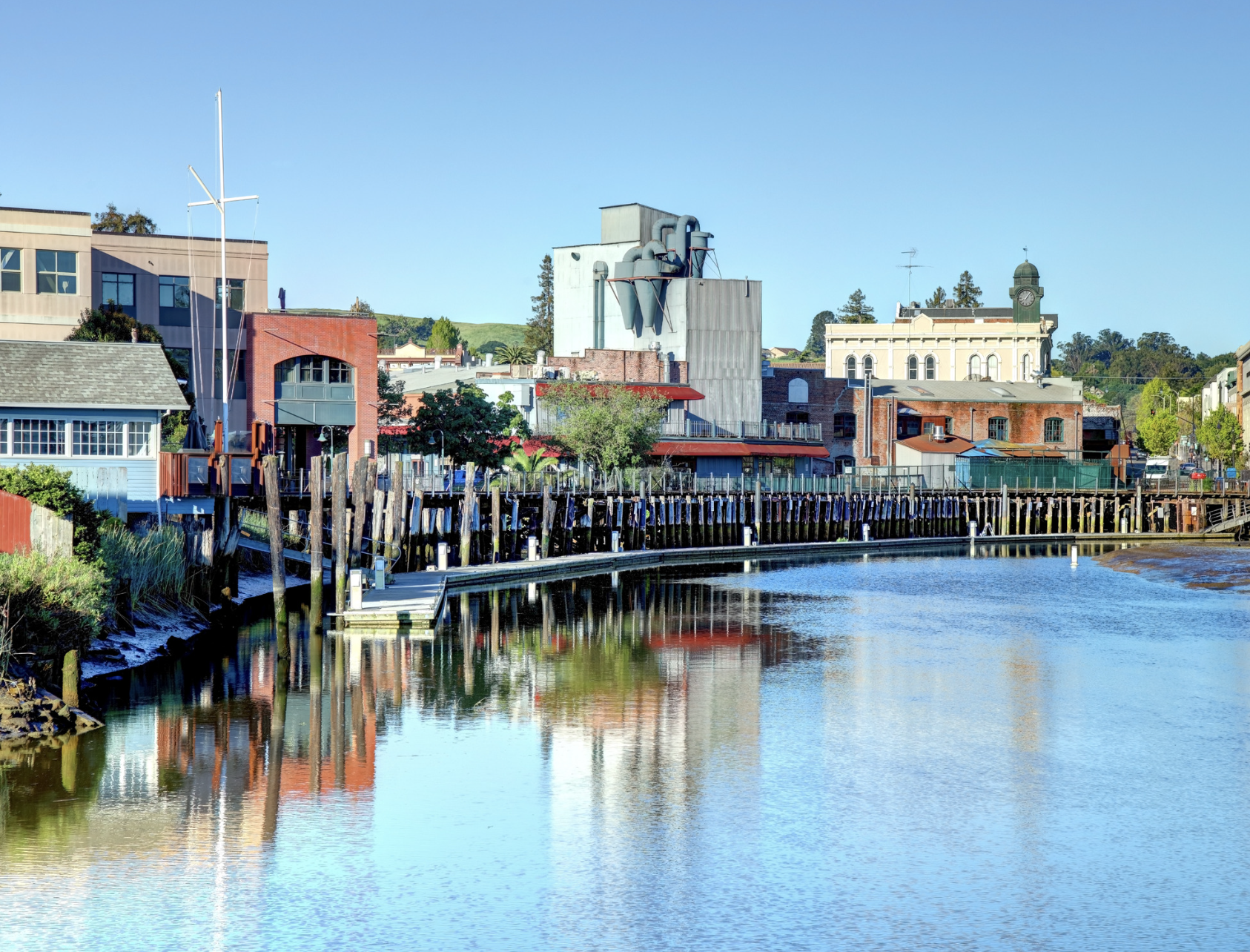
At the southern end of Sonoma County, Petaluma offers something different from the rest of the region. This historic town, with its beautifully preserved downtown featuring Victorian architecture, provides the easiest commute to San Francisco of any Sonoma County location. That single factor makes Petaluma attractive to people who need or want regular access to the city for work, family, or other commitments.
The drive to San Francisco from Petaluma takes roughly an hour under normal conditions—not easy, but more manageable than commuting from most other Sonoma County communities. For people transitioning out of the Bay Area but not quite ready to cut all ties, Petaluma offers a middle ground where you can enjoy wine country living while maintaining connections to urban life.
Beyond commuting advantages, Petaluma has its own appeal with a vibrant downtown that feels authentic rather than tourist-focused. The architecture, the local businesses, the community events—all of it reflects a town that exists for residents first and visitors second. That creates a different feel from places like Healdsburg or Sonoma where tourism plays a more central role in the local economy.
Petaluma's emerging wine scene, including its own American Viticultural Area, adds another dimension to living here. While not as established as other Sonoma County wine regions, the area is developing its own identity as a wine-producing region, offering opportunities to watch that evolution happen in real-time.
After walking through all these different areas, the fundamental question remains: how do you actually choose? Based on hundreds of conversations with families who've made this move successfully, several key factors consistently emerge as most important.
First, be honest about your commuting reality. If you or your spouse need to get to San Francisco regularly for work, that constraint eliminates many otherwise appealing options. Places like Petaluma or even Sonoma make sense; places like Bodega Bay or Sea Ranch don't. Trying to maintain a serious commute from remote locations creates stress that undermines all the lifestyle benefits you moved for in the first place.
Second, think carefully about the role of amenities in your daily life. If you're someone who goes out to dinner multiple times a week, enjoys having shopping options readily available, and wants various services and entertainment choices nearby, you need to be in or near a larger town like Santa Rosa, Healdsburg, or Sonoma. Moving to a rural area and then being frustrated by the lack of restaurants and services is a common mistake that could have been avoided with more realistic self-assessment.
Third, consider your life stage and how that affects what you need from a home and community. Families with school-age children have different priorities than retirees or empty nesters. Access to good schools, family-friendly activities, and other parents becomes essential for some buyers and completely irrelevant for others. Similarly, proximity to quality healthcare facilities matters more for some buyers than others, and Santa Rosa's medical centers provide options that aren't as readily available in smaller communities.
Fourth, be realistic about climate preferences. Some people love heat and want to spend summer days by the pool in sunny, warm weather. Others find temperatures above 80 degrees uncomfortable and prefer the cool fog and ocean breezes of the coast. Sonoma County offers both, but you need to choose the right location for your temperature tolerance. Moving from San Francisco expecting year-round cool weather, then buying an inland property where summer regularly hits the 90s or higher, creates predictable disappointment.
Fifth, think about your vision for how you'll actually spend time at home. Do you want to walk to coffee shops and restaurants, or do you want space for a pool and entertaining guests? Do you prefer being able to pop out for errands easily, or do you value privacy and quiet? These aren't abstract questions—they should drive which types of properties you seriously consider.
Let's address the elephant in the room: Sonoma County is expensive. The median home price runs about 160 percent higher than the national average, which sounds daunting until you consider what you're comparing it to. For people moving from San Francisco or other expensive Bay Area locations, Sonoma County often represents a way to get significantly more house and land for comparable or even lower prices.
The key is understanding that you're not just buying a house—you're investing in a lifestyle and, for many people, positioning yourself in a real estate market that has historically appreciated well. Wine country properties have proven to be solid long-term investments, especially when you factor in the quality-of-life improvements that come with living here.
Different areas within the county offer different price points, and it's worth understanding that variation. Santa Rosa provides the most affordable entry point for most buyers, with the average around $740,000. The coast, despite feeling remote, now averages around $1.4 million. Sonoma, Healdsburg, and other wine country towns typically start around $1 million and go up substantially from there for properties with land or views.
For people specifically interested in vacation rental income potential, regulations vary significantly across the county. The coastal region offers more flexibility, while many other areas have implemented restrictions or moratoriums on new vacation rentals. That factor can meaningfully affect the financial equation if you're planning to offset ownership costs with rental income.
While lifestyle and location dominate most relocation discussions, practical considerations like schools and healthcare deserve attention, especially for families and older buyers.
Sonoma County's public school system is generally strong, with some districts offering specialized programs like language immersion starting in elementary school. That said, quality varies significantly between districts, and some neighborhoods are specifically sought after for their school access. Private school options range from religious academies to college preparatory institutions, with annual tuition typically starting around $8,000 and reaching over $30,000 for the most prestigious schools. Sonoma State University provides local higher education options for residents.
Healthcare facilities cluster primarily in Santa Rosa, where both Kaiser and Sutter operate major medical centers. For more specialized care, proximity to San Francisco and UCSF provides access to some of the world's best medical facilities. That geographic advantage means Sonoma County residents can access both local primary care and specialized treatment without moving to a major metropolitan area. For retirees or people with significant health considerations, this healthcare access provides important peace of mind.
One of Sonoma County's advantages is climate diversity, but that means you need to choose your location based on your weather preferences. Inland areas enjoy warm, Mediterranean summers that regularly reach the 90s and sometimes exceed 100 degrees. That appeals to people tired of San Francisco fog who want to actually use a pool and enjoy outdoor living in the sun.
Coastal areas maintain much cooler temperatures year-round, with constant ocean winds and fog keeping summer temperatures moderate. Winters stay relatively mild, rarely dropping below 40 degrees, but you're dealing with regular wind and moisture. That climate appeals to people who find heat uncomfortable and prefer cooler, more consistent temperatures.
Many communities fall somewhere in between, with Sonoma Valley and areas near Healdsburg experiencing warm summers but not quite as extreme as Santa Rosa, and generally more sunshine than the coast. Understanding these climate variations helps ensure you don't end up in an environment that feels too hot or too cold for your comfort.
If you've read this far, you're probably seriously contemplating a move to Sonoma County. The next step is moving from general research to specific property searching based on your priorities, budget, and lifestyle requirements.
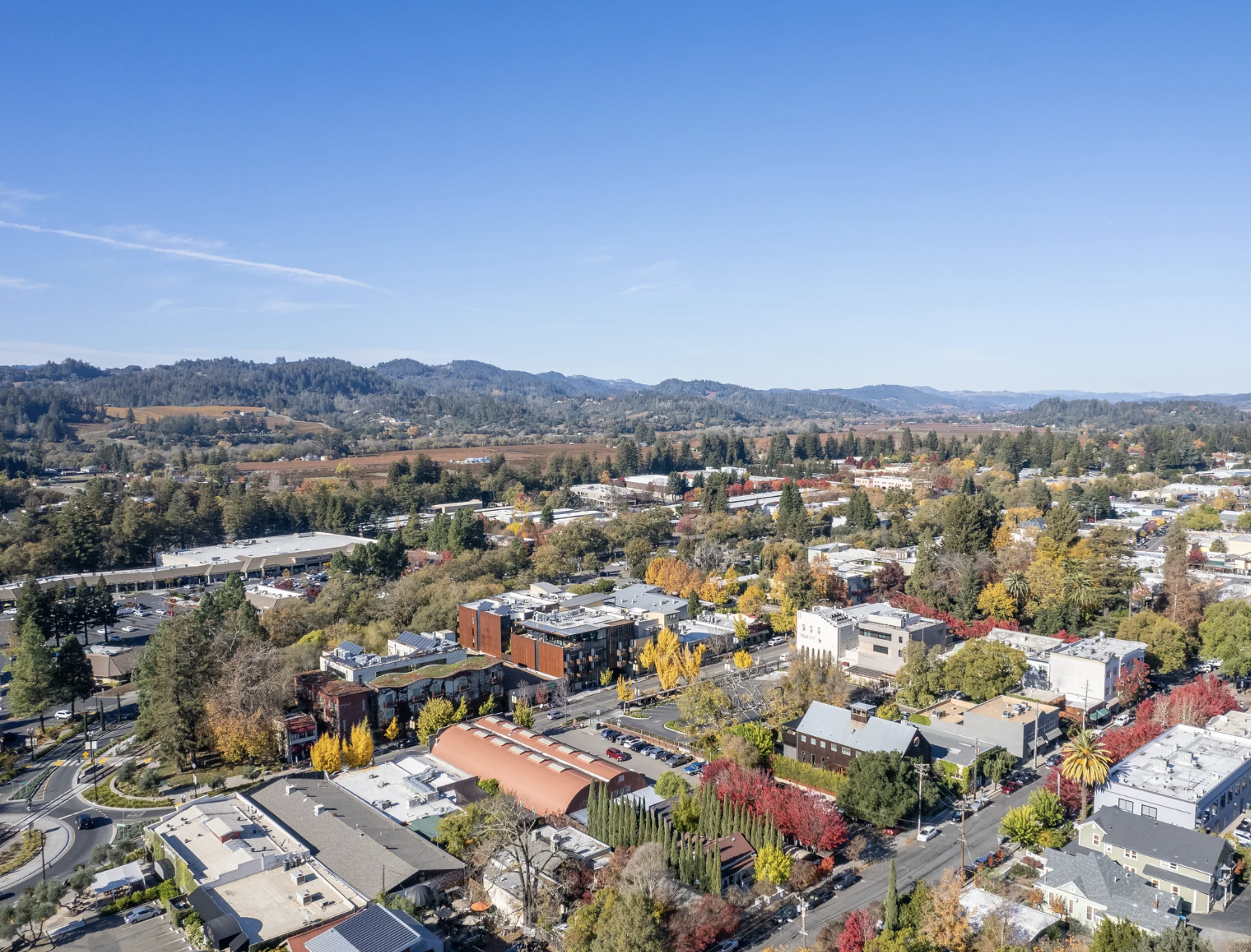
Start by narrowing down which areas of the county align best with your needs. Use the factors we've discussed—commuting requirements, amenity preferences, climate desires, life stage considerations—to eliminate areas that clearly won't work and identify the communities worth exploring further.
Then visit. While research provides important context, there's no substitute for spending time in different Sonoma County communities to understand how they actually feel. Walk the downtowns, drive the neighborhoods, eat at local restaurants, and start to envision your daily life in these places. The community that looks perfect on paper might not feel right when you're actually there, or you might discover an area you hadn't seriously considered that immediately feels like home.
Throughout my years helping families relocate to Sonoma County, I've watched people successfully make this transition when they approach it thoughtfully, understanding that the decision isn't just about finding a house but about choosing the right community for this chapter of their lives. The diversity within Sonoma County means there genuinely is something here for almost everyone—you just need to find your particular version of wine country living.
The families I've worked with who are happiest here share one common trait: they made their location decision based on honest self-assessment of their priorities rather than trying to chase some idealized version of wine country life that didn't match their actual needs. The family that moves to Santa Rosa because they need good schools and regular access to services doesn't wish they'd bought that remote vineyard property; they're grateful they chose practically. Similarly, the couple that buys that rural vineyard property because they genuinely want privacy and space doesn't resent the 20-minute drive to restaurants; they appreciate having room to breathe.
Your perfect Sonoma County location exists—finding it just requires understanding yourself and being willing to prioritize what actually matters for your daily life rather than what sounds romantic in theory.
If you're ready to explore your options in more depth, considering your specific budget, must-haves, and lifestyle vision, I'd welcome the opportunity to be a resource. You can reach me at contact@bruingtonhargreaves.com, and I'd be happy to help you think through which areas of Sonoma County deserve your attention and which properties might be worth a closer look.
If I Were Moving to Sonoma County, This is What I’d Do
The Sonoma Life: A New Chapter of Living in Wine Country
Imagine leaving behind the constant buzz of city life for a place where the pace slows down just enough to appreciate life's finer moments. Where morning fog gives way to sun-drenched afternoons, and your evening commute might involve a scenic drive past rolling vineyards instead of gridlocked highways. This is the reality for those who choose to make Sonoma County their home.
For the first time since 2020, California is experiencing a net positive migration, with Sonoma County emerging as a particularly attractive destination. The reasons are as diverse as the landscape itself – from the dramatic Pacific coastline to the inland valleys dotted with world-class wineries.
Sign in with your email address
Enter your email address