Two wine country towns, just 90 minutes apart, yet there's a $2 million difference in median home prices. In St. Helena, you're looking at $3.1 million. In Healdsburg, it's $1.1 million. For anyone considering a wine country investment, that gap isn't just about Napa versus Sonoma. It reflects two fundamentally different approaches to wine country living, and understanding these differences could save you hundreds of thousands of dollars or help you capitalize on the right opportunity.
After over a decade helping families invest in Sonoma County real estate, I've watched buyers wrestle with this exact decision. Some chase the prestige of Napa Valley. Others discover that Healdsburg offers something more valuable: a real community with strong fundamentals and steadier returns. The winner might surprise you.
Two Towns, Two Different Trajectories
On a map, St. Helena and Healdsburg look similar. Both are charming wine country destinations with historic downtowns and world-class restaurants. In practice, they're living in different worlds.
St. Helena sits at the north end of Napa Valley, covering about 5 square miles. The population has been steadily declining. In 2016, there were 6,118 residents. By 2020, that number dropped to 5,174, and from what I see working in the market, the decline has continued. You don't often see a high-end town where the population slides by close to one percent annually, but St. Helena has been down about 4.52% since 2020.
That population shift tells you something critical about what's happening to the housing market and the community fabric. We'll explore why that matters when we look at the investment outlook.
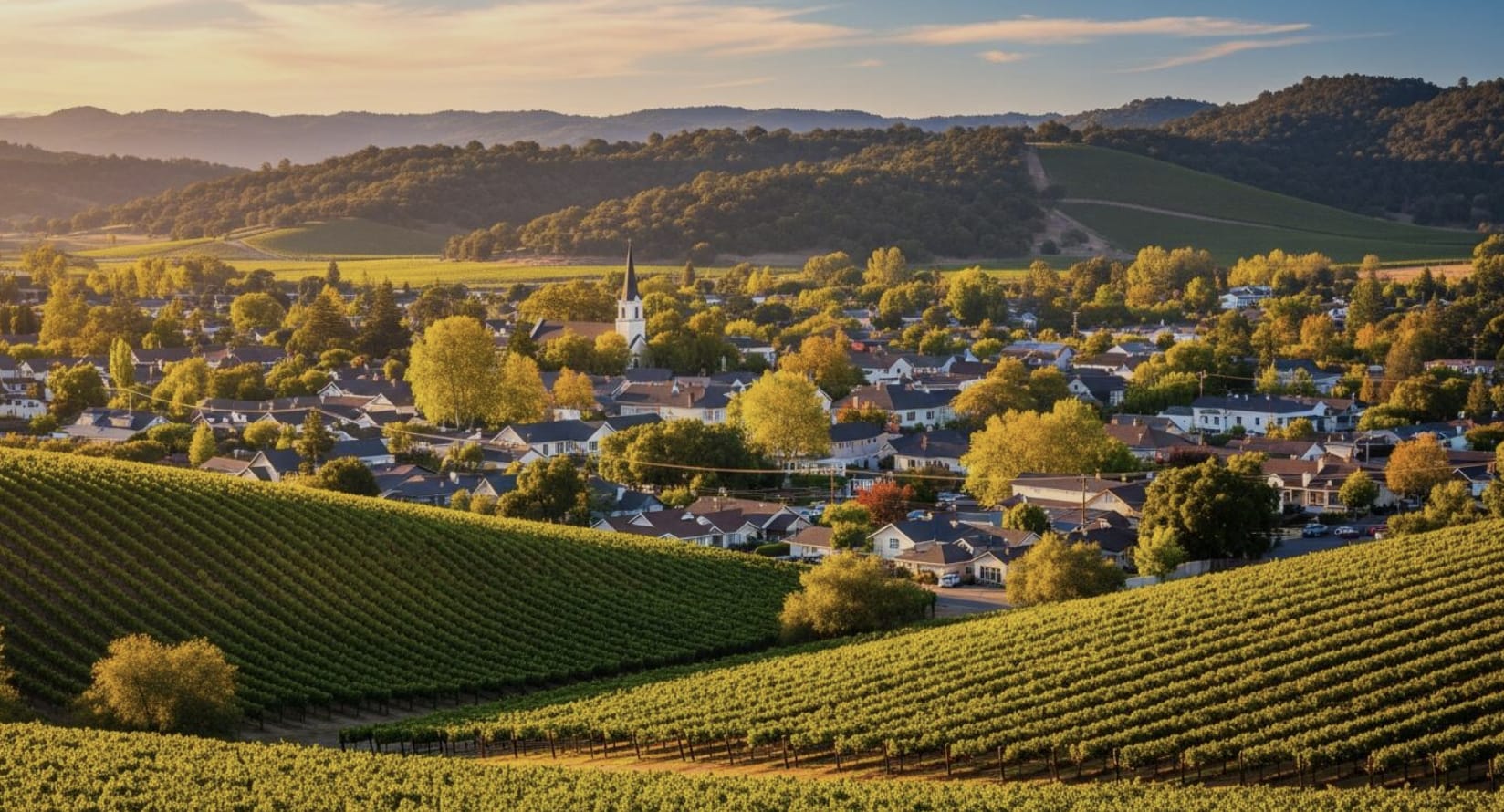
Healdsburg tells a different story. About 10,997 people live here across 4.1 square miles. The town has absorbed significant visitor growth without hollowing out its base of full-time residents as dramatically as St. Helena. It feels active and balanced.
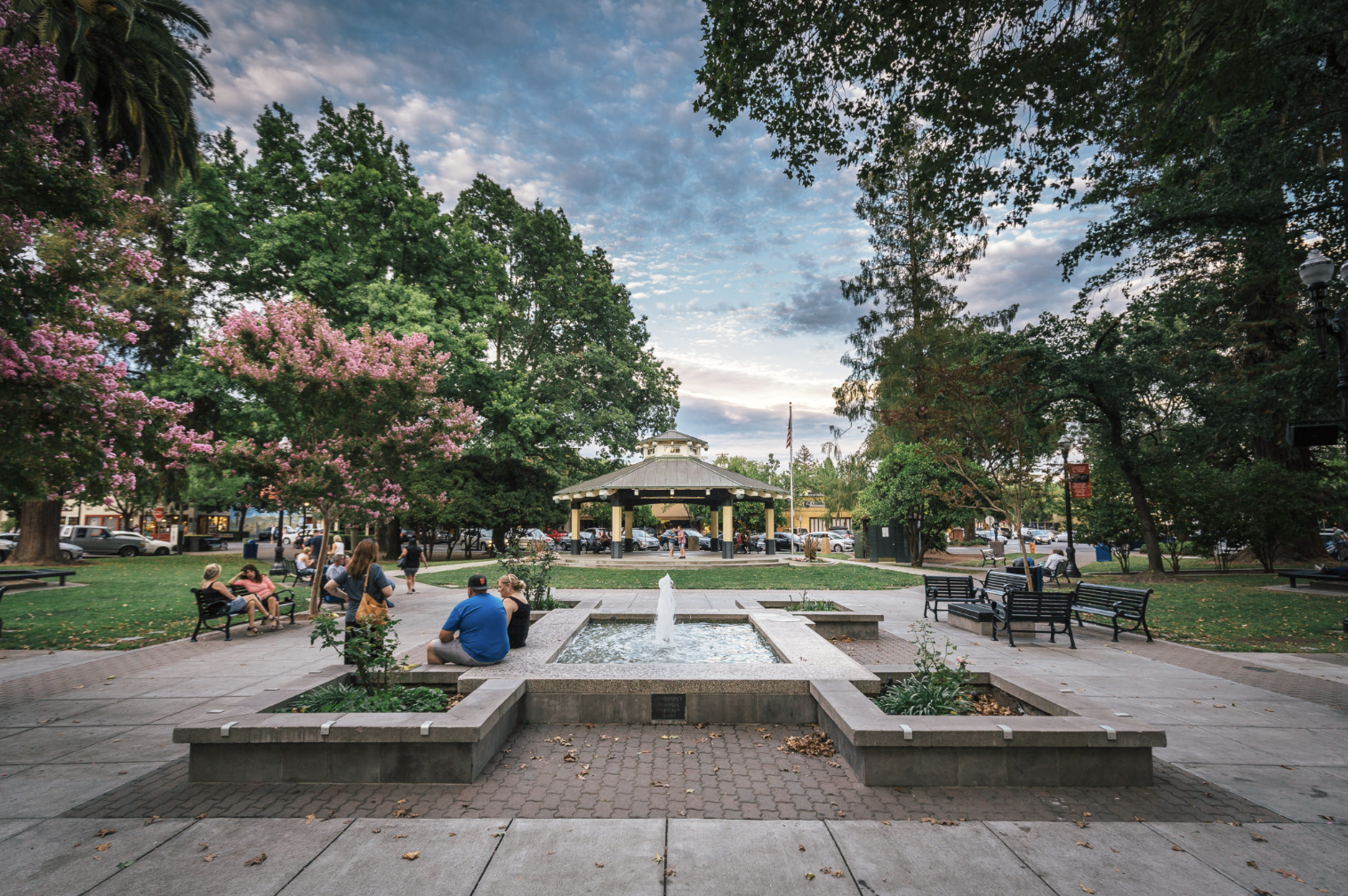
From years of helping buyers in both places, the contrast is clear. St. Helena leans into exclusivity. It gives you a boutique wine country feel that's polished and high-end. Healdsburg feels more grounded. It's sophisticated without being pretentious. You notice it the moment you drive through. In St. Helena, storefronts are manicured and homes look staged. The image is tightly curated. In Healdsburg, the plaza is the hub. You'll see families with strollers, friends grabbing coffee, and locals and visitors sharing the same sidewalks. It's a community first and a destination second.
Here's a question worth considering: What happens when a town becomes so exclusive that it turns into a showcase more than a place to live? That's not just a lifestyle question. It hits the market directly, changing prices, availability, and the feel of the community.
The Housing Market Split: Volatility vs. Resilience
If you're planning to invest in wine country, understanding these housing dynamics could be worth hundreds of thousands to you. The markets in St. Helena and Healdsburg look similar at first glance. Beneath the surface, they work very differently.
In July 2025, St. Helena's median home price was $3.1 million, down 11.8% year over year. That's what happens in ultra-luxury markets. They can rise fast in boom times and fall faster when things cool. The volatility creates both opportunity and risk.
That being said, not every slice of the market moves the same way. Look at the luxury tier. In the second quarter of 2025, the median for high-end homes in St. Helena rose to about $2.15 million, up 21% from the prior year. This kind of split outcome ties directly to the local economy's heavy reliance on a single industry. We'll explore that connection shortly.
Housing stock tells another important story. St. Helena has about 2,800 housing units with roughly 83% occupied as primary residences. The other 17% are considered vacant, but here's what most buyers miss: "vacant" doesn't just mean empty and for sale. Over 57% of all vacant homes are for "seasonal, recreational, or occasional use." This translates to roughly 9.7% of St. Helena's total housing stock being seasonal homes, which explains why some neighborhoods feel noticeably quieter in the off-season.
Now look at Healdsburg. The median property value sits at approximately $1,111,612. That's still premium, but far more approachable. Healdsburg has a higher overall occupancy rate at 89%, meaning more homes are full-time residences. Only 11% of its housing stock is vacant, and about 50% of those vacant homes are seasonal. That means roughly 5.2% of Healdsburg's total housing stock consists of seasonal homes. This higher proportion of year-round residents shapes the community's feel significantly.
Let me tell you what that difference looks like day to day. On a Tuesday in February, downtown Healdsburg still has a pulse. Families are out. Shops are open. You see locals. In parts of St. Helena during the off-season, you can walk several blocks and see very few people.
For investors, this creates two distinct paths. St. Helena can deliver significant appreciation, but the entry price is high and the risk is higher. Homes often sit longer on the market, sometimes 60 days or more. When the right buyer shows up, the payoff can be substantial. Healdsburg is steadier. Homes typically sell in about 33 days when priced correctly. The buyer pool is more diverse, and demand stays consistent even during slowdowns.
The Economic Foundation: Putting All Your Eggs in One Basket
Napa County's wine industry is about 75 times more concentrated than the national average. That concentration shapes everything from job availability to housing prices to your daily routine. When one industry holds that much weight, it creates both spectacular opportunity and significant risk.
St. Helena's economy leans almost entirely on wine and tourism. The Napa wine industry supports around 46,000 local jobs and brings in more than $13 billion annually. The St. Helena AVA alone covers 9,060 acres with more than 400 vineyards on about 6,800 acres. That's an incredibly dense cluster of high-value land, which pushes property values up and keeps the economy tightly focused.
When you buy in St. Helena, you're making a bet on the ongoing global appeal of Napa wines. During the pandemic, when tourism slowed, the top luxury tier held better than most market segments. Still, the town's reliance on a single economic engine showed its vulnerability. If anything significantly disrupts Napa's wine and tourism machine, the entire local market feels it immediately.
Healdsburg spreads the risk more widely. Yes, it's wine country, but it's also much more than wine. The city sits at the convergence of three major wine regions: Russian River Valley, Dry Creek Valley, and Alexander Valley. That location builds variety and appeal. Over a quarter of local jobs tie to wine, but there are also growing sectors like tourism, small manufacturing, craft brewing, and agriculture beyond grapes.
Local business owners consistently tell me the same story. Healdsburg has built a broader economic base. Artisanal foods, craft beverages, and outdoor recreation help drive the economy alongside wine. That mix keeps market swings smaller when a single sector slows.
That's one of the key contrasts for investors. In St. Helena, the focus is narrow and powerful. In Healdsburg, the mix is wider. Wine remains the star, but other players provide support and stability. The clients I work with who choose St. Helena want that one-of-a-kind luxury identity tied to Napa's global brand. The clients who choose Healdsburg value the diversification and the stability that comes with it.
Living the Wine Country Dream: Two Different Experiences
St. Helena delivers classic luxury Napa Valley living. Main Street is famous for its boutiques, galleries, and cafes housed in preserved historic buildings. When I walk clients down Main Street, they notice immediately how polished everything feels. It's beautiful and upscale, but it's also heavily curated. The Culinary Institute of America at Greystone anchors the culinary scene, and restaurants like Press, Farmstead at Long Meadow Ranch, and Market offer full experiences showcasing Napa wines and local produce.
There's a flip side to all this refinement. The town can feel exclusive to the point of being limiting. Wealth and status set the pace of daily life. For many of my buyers, that level of sophistication is exactly what they're seeking. For others, it feels a bit too rarefied.
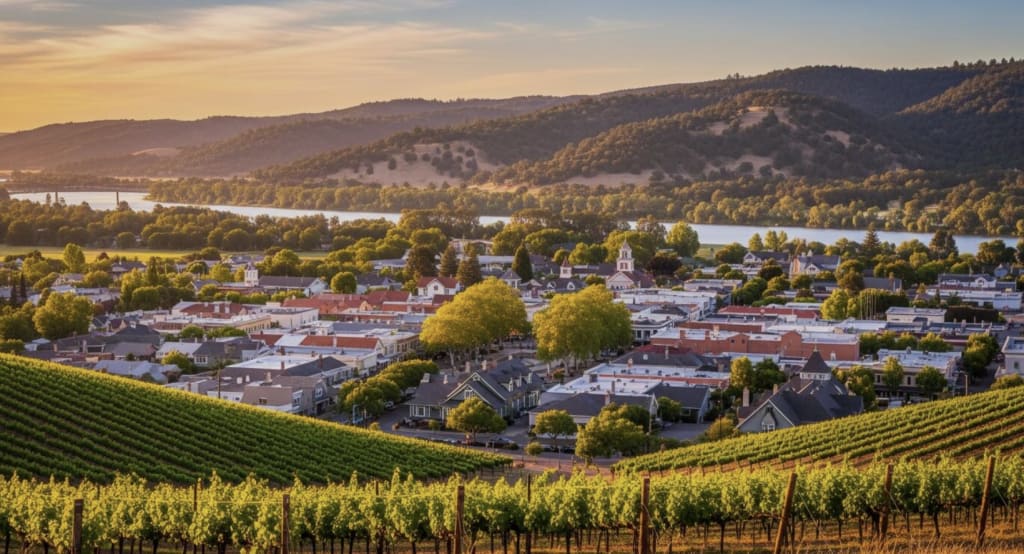
Healdsburg offers a different take. The 19th-century plaza sits at the center and acts like the town's living room. Families stroll with kids and dogs. Locals meet for coffee. Visitors mix right in. It's sophisticated without feeling closed off.
The plaza is also practical. You can walk to more than 30 tasting rooms and sample wines from three different valleys without getting in your car. This walkability matters significantly. If you enjoy hosting friends and family, being able to walk to restaurants, tasting rooms, and shops is a real advantage.
Healdsburg's dining scene adds to this picture. You've got SingleThread, Sonoma's only three-Michelin-star restaurant, alongside approachable favorites like Valette and Barndiva, plus many casual options. That range matters. You can celebrate big one night and grab something easy the next. The mix matches the town perfectly.
Conde Nast Traveler called Healdsburg the most charming wine country destination. After years of working here, I agree. The town blends world-class amenities with everyday livability. It's sophisticated but not pretentious.
Infrastructure and Services: The Details That Matter Daily
The beauty of wine country can hide significant differences in how towns actually function. Water, roads, power, and services shape your daily life more than the view outside your window.
St. Helena's general fund is about $18.7 million, with a total budget for 2022-2023 of $53.2 million. That's modest for everything a city must handle. Water supply issues top the list of resident concerns, with road repairs ranking second. I hear about water restrictions and infrastructure frustrations from clients regularly.
There's also a labor issue that many buyers don't see until after closing. Many service workers cannot afford to live in St. Helena, so they commute from other towns. This shows up in longer wait times for repairs and a looser connection between the workforce and the community.
Healdsburg takes a completely different approach. The city runs its own utilities—power, water, and sewer—which gives it more control and reliability. It also provides its own police, fire, and parks services. You can see the results when you drive around. There are steady upgrades across town, including the library project, a new fire substation, and the Healdsburg Avenue Complete Street improvements.
Health care presents another significant difference. St. Helena has limited local services. Healdsburg has a full hospital with 42 beds and a 24-hour emergency room. For families and retirees, that can be the deciding factor. I've seen buyers choose Healdsburg for this reason alone.
Travel and accessibility matter too. St. Helena sits about 65 miles north of San Francisco via Highway 29. The drive is gorgeous but can be slow. Traffic builds during peak tourist times, and I have friends who live just off Main Street who must be very selective about when they travel to avoid getting snarled in traffic.
Healdsburg sits on Highway 101, a major north-south route that makes it far more accessible. For buyers with jobs or family outside the area, that highway connection is a significant advantage. The Sonoma County Airport adds daily flights to major cities, and there's also a small municipal airport for private planes.
If you travel often or need to maintain connections outside wine country, Healdsburg usually comes out ahead. I've had clients fall in love with St. Helena's beauty, then choose Healdsburg after counting the trips they'll take for work and family. Convenience won.
Investment Outlook: Two Paths to Wine Country Returns
The growth choices these towns have made are creating two very different investment futures. Those differences affect both home values and the kinds of opportunities buyers can find.
St. Helena's market behaves like many ultra-luxury destinations. It can rise fast in boom times and fall faster when things cool. That split we discussed earlier—where luxury homes are up 21% while the overall market is down 11.8%—creates specific investment opportunities. You need to understand which segment you're playing in.
Homes above $3 million have about 11.5 months of inventory, pointing to a buyer's market. Homes under $2 million have about 2.3 months of inventory, favoring sellers. The average days on market is about 60, with many homes sitting for 60 days or more. The buyer pool is small and selective. When you find the right match, the return can be strong.
This market ties closely to luxury spending patterns. When the economy slows, demand drops faster in ultra-high-end markets. That being said, supply is extremely limited due to strict building regulations. Only seven new projects were approved in the last five years. Farm rules block large-scale development. This keeps long-term values elevated even through market corrections.
Since 2000, luxury real estate values in wine country have appreciated significantly, though the path hasn't been smooth. The wealth effect plays a role here: luxury owners are typically under less financial pressure to sell, which helps maintain values better than lower-tier markets.
Value-added plays can work particularly well in St. Helena. Buy an older home or an underused lot and improve it. The gains can be significant if you have the patience and capital. Vacation rentals offer another angle, though there are only 25 permits allowed with a substantial waiting list. If you secure one, returns can be strong—top rentals earn $500 to $800 per night during peak months with high occupancy from May through October.
Healdsburg presents a steadier investment picture with wider appeal. Inventory sits near 3.8 months across price points, indicating a balanced market. Homes priced right typically sell in about 33 days, giving investors more liquidity and flexibility.
The buyer pool is genuinely diverse. Families, retirees, business owners, and wine industry workers all buy here. That mix keeps demand steady even during economic slowdowns. In 2008, Healdsburg values fell about 22 to 28 percent but recovered faster than many nearby areas.
Since 2000, Healdsburg values have climbed approximately 285%. That trails St. Helena slightly, but the ride has been considerably smoother with fewer extreme spikes and drops.
There are more entry points available too. The Mill District and the north side allow new projects while preserving the town's character. Many investors buy older homes on larger lots, renovate them, and add an accessory dwelling unit. This raises property value and adds rental income potential. Vacation rentals are somewhat easier to secure than in St. Helena, though you still need a permit and must navigate restrictions.
Growth is managed thoughtfully. A local rule limits new homes to about 40 per year, preventing overbuilding while allowing steady expansion. Larger projects like North Village will add around 200 units over time in a measured way.
Housing types are also more varied, from historic cottages to modern estates. This range attracts more buyers and supports both resale and rental demand. A small downtown bungalow under $900,000 can earn about $85,000 annually as a vacation rental. You won't find that kind of entry point in St. Helena, where the buy-in is substantially higher.
Commercial property follows similar patterns. In St. Helena, spaces are expensive and can sit empty during slower seasons. In Healdsburg, year-round activity supports steadier rents and lower vacancy rates.
Making Your Choice: Prestige vs. Stability
St. Helena and Healdsburg represent two distinct approaches to wine country investing. St. Helena is ultra-exclusive, with luxury tourism and premium wine driving almost everything. Property values rank among the highest in Napa Valley. Owning a home there feels like joining an elite club. The history, the food, and the luxury lifestyle are genuinely hard to match.
Healdsburg has maintained more balance. It holds a small-town feel while building its wine culture, community services, and infrastructure. If you want community connection, a town that stays lively year-round, and a range of experiences beyond wine, this is the place. The plaza provides a true gathering spot. The economy is more diversified. Highway 101 makes travel convenient.
It comes down to what you value most as an investor and as someone who might actually spend time in your wine country property. Do you want exclusivity and prestige, knowing it comes with higher risk and bigger market swings? St. Helena delivers that experience. Or do you want stability and a stronger sense of community, even if appreciation might be somewhat more modest? Healdsburg provides that foundation.
Both paths can be right. They're simply different ways to participate in wine country real estate. St. Helena offers higher potential returns with greater volatility and a more limited buyer pool. Healdsburg offers steadier appreciation, better liquidity, and a more diverse market that tends to weather downturns more effectively.
The clients I work with who choose St. Helena typically have higher risk tolerance and longer time horizons. They're making a lifestyle statement as much as an investment decision. The clients who choose Healdsburg often prioritize consistent returns, easier resale when the time comes, and genuine community connection.
If you're ready to explore which path makes sense for your specific situation, I'd love to help you work through the numbers and the lifestyle factors. Email me at hello@modernlivingsonoma.com, and let's start mapping out the right strategy for your wine country investment. With the right plan and local expertise, we'll make sure your next chapter in wine country isn't just a dream but a decision you'll look back on with confidence.