After helping over 400 families navigate Sonoma County real estate decisions, I've learned something that surprises most newcomers: the biggest mistake people make isn't choosing the wrong house—it's choosing the wrong town. That mistake can cost you $455,000 and, more importantly, years of living a lifestyle that doesn't match your rhythm.
Sonoma County isn't just another suburb outside San Francisco. This is 1,768 square miles of dramatically different communities, each with its own personality, climate, and pace of life. You could stand in the fog on the coast one morning and sweat through ninety-degree heat inland that same afternoon. One day you're walking through a bustling downtown filled with tourists and world-class restaurants, the next you're sitting on a porch with your nearest neighbor a quarter mile away.
The truth is, living in downtown Healdsburg feels nothing like living in the hills above Sebastopol or along the Russian River in Cloverdale. These aren't just different addresses—they're completely different lifestyles. And if you're looking at Sonoma County real estate as both an investment and a way to improve your quality of life, understanding these differences isn't optional. It's everything.
Understanding What Makes Sonoma County Different
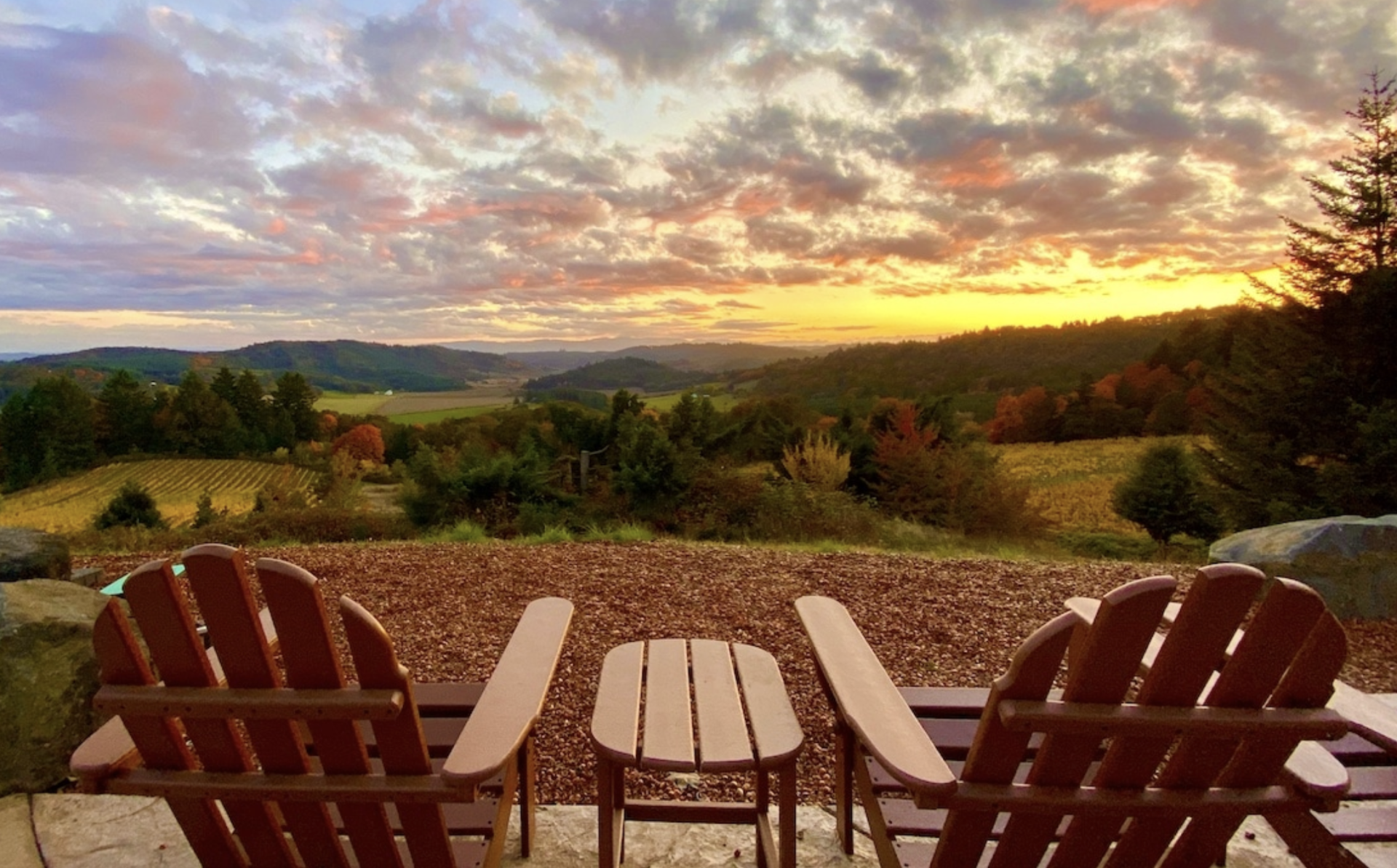
Before we dive into each town, you need to understand what makes this place so unique. The geography alone explains much of the diversity. Coastal towns like Bodega Bay feel nothing like the vineyard valleys around Healdsburg or Sonoma. Mountain towns tucked into the redwoods offer yet another world entirely. Each area has its own style of homes, its own community culture, and its own seasonal rhythms.
The climate variations surprise people most. Sebastopol, closer to the coast, can be ten to fifteen degrees cooler than Healdsburg on the same summer day. That's not just a weather pattern—it shapes how you live, what you wear, and even how you landscape your property.
Then there's the pricing. Cloverdale's median home price sits around $545,000, while Healdsburg's is nearly double at $1.0 million. These towns are less than an hour apart. That massive gap reflects not just home values but entirely different markets, buyer profiles, and lifestyle expectations.
The people who find happiness here are the ones who take time to match their daily rhythm with a town's natural pace. They think about how tourist seasons will affect their routines. They consider whether they want to walk to coffee or drive through vineyard roads to reach town. They ask themselves not just where they can afford to live, but where they'll actually want to live five or ten years from now.
That kind of intentional decision-making requires understanding each community deeply. So let's break down all nine incorporated cities and towns in Sonoma County, starting with the biggest.
Santa Rosa: The Regional Hub
Santa Rosa is Sonoma County's largest city, with approximately 174,000 people. It offers the most jobs, the widest shopping options, and the greatest variety of housing. But bigger isn't always better, and the differences within Santa Rosa can surprise even experienced buyers.
The first thing you'll notice is how East and West Santa Rosa feel like two different cities. The west side offers more affordable housing, with median prices around $735,000. However, you'll also find older infrastructure, a few areas with higher crime rates, and fewer upscale dining and shopping options. East Santa Rosa, especially in the hills, tells a different story entirely. Homes regularly sell for over a million dollars, newer construction dominates, and residents enjoy better views and easier access to quality restaurants and stores.
Highway 101 runs through Santa Rosa, which looks like easy access on a map. But during rush hour, that convenience disappears into heavy, slow-moving traffic. Many people don't realize how much their daily commute will affect their lifestyle until after they've moved in and started navigating it every weekday.
That being said, Santa Rosa has hidden gems that feel worlds apart from the busier corridors. Northeast Santa Rosa near Spring Lake and Annadel State Park is one of those pockets. You get trails, parks, and strong schools like Montgomery High, which consistently ranks among the better options in the city. Families gravitate toward this area because it offers suburban comfort with easy access to outdoor recreation.
The housing variety in Santa Rosa is both a gift and a responsibility. You can live in a downtown condo, a suburban family home, or even a small ranch property on the edge of town. But that variety means you have to choose carefully. The wrong block can feel completely different from the right one, even within the same general area.
Santa Rosa works best for people who want urban-level services and job opportunities while still being in Sonoma County. You get the shopping, the healthcare facilities, and the variety that larger cities provide. But you have to be strategic about which neighborhood you pick. That choice is what makes Santa Rosa feel like a win or a compromise.
Petaluma: The Premium Choice for Families and Commuters
Petaluma has become one of the most competitive markets in Sonoma County, with median home prices now at $863,000. That may sound steep compared to other towns, but buyers keep competing for homes here because Petaluma offers something you can't easily find elsewhere: top-tier schools, easy access to San Francisco, and one of the most charming historic downtowns in Northern California.
Schools drive much of Petaluma's appeal. The Petaluma City Schools district consistently ranks at the top of the county, and families understand that strong schools protect long-term property values. When you're making a significant real estate investment, knowing your home will remain desirable to future buyers provides real peace of mind. Parents are willing to pay a premium to avoid the stress of researching school boundaries and worrying about educational quality.
Location is another major advantage. Petaluma sits at the southern edge of Sonoma County, making it the closest wine country town to San Francisco. For hybrid workers who only need to be in the office once or twice a week, this proximity saves hours of commute time compared to towns farther north. You get to enjoy wine country living without sacrificing too much time on Highway 101 or dealing with unpredictable bridge traffic.
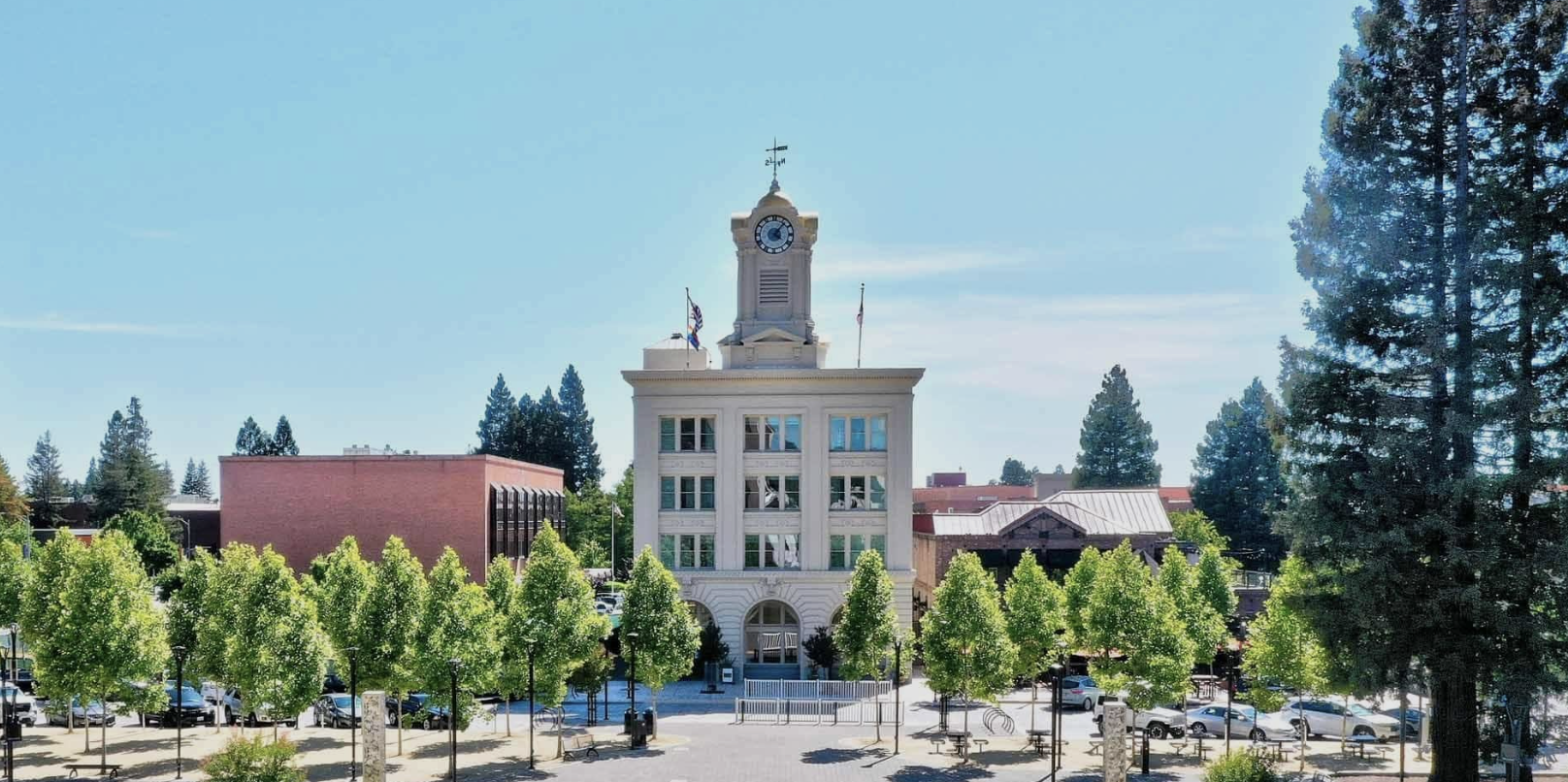
Then there's downtown Petaluma itself. The historic center, with its Victorian buildings and the Petaluma River flowing through town, creates an energy that blends history with modern vitality. Streets filled with locally-owned shops, restaurants, art galleries, and cultural events make downtown feel alive year-round. For many buyers, particularly those relocating from urban environments, that walkable, vibrant lifestyle is the dealmaker. You can build a routine around walking to coffee, browsing boutiques, and meeting friends for dinner—all without getting in your car.
Investors notice Petaluma too. The rental market stays strong because demand remains steady from people who want access to San Francisco without paying San Francisco prices. Whether you're considering a long-term rental property or exploring vacation rental opportunities, that consistent demand makes Petaluma a reliable investment.
But popularity always comes with trade-offs. Petaluma gets crowded, especially on weekends during peak tourist season. Traffic through downtown can test your patience, and parking becomes a competitive sport. Some residents love the buzz and consider it part of the town's character. Others feel it takes away from the peaceful wine country life they imagined. Understanding where you stand on this matters before you commit.
Neighborhoods within Petaluma tell their own stories as well. The west side, particularly areas like Westridge Knolls, represents the most sought-after real estate. Homes there often sell above asking price with multiple offers. However, pockets on the east side offer similar amenities at more accessible prices. These areas don't get as much attention from buyers, but they can be smart options if you want the Petaluma lifestyle without paying absolute top dollar.
Petaluma makes sense for families prioritizing education, professionals needing reasonable access to San Francisco, and anyone who values a lively, historic downtown as part of their daily life. If your dream revolves around peace, quiet, and minimal crowds, you might find more satisfaction farther north. But if you want charm, culture, and convenience wrapped into one package, Petaluma makes a compelling case.
Rohnert Park: Value and Convenience in a College Town
Rohnert Park doesn't generate the same excitement as some of its neighbors, but that can work in your favor. For buyers focused on value and practical convenience, it often delivers more than expected. With median home prices around $710,000, it represents one of the most affordable entry points into Sonoma County living.
Sonoma State University shapes the town's character in significant ways. Students, faculty, and staff bring steady energy and diversity to what might otherwise feel like a purely residential suburb. Restaurants, coffee shops, and local businesses benefit from this constant flow of people. University events spill over into the broader community, giving Rohnert Park a youthful, engaged atmosphere that sets it apart from quieter towns nearby.
The fact that Rohnert Park is a planned city matters more than you might think. The neighborhoods are organized in alphabetical sections, each designed with built-in schools and parks. This thoughtful layout makes the town easy to navigate and creates consistency in amenities. Over time, certain sections—particularly G through K—have emerged as offering the best combination of price, location, and school access. Buyers in these sections often see stronger appreciation when it's time to sell.
Commuting represents another clear advantage. Rohnert Park sits directly along Highway 101, making it simple to travel north to Santa Rosa or south toward Marin and San Francisco. It's also one of the few towns in the county with a SMART train stop, giving residents an alternative to driving. For people who work in other parts of the Bay Area, that convenience makes a tangible difference in daily quality of life.
Of course, there are trade-offs to consider. Rohnert Park doesn't have the historic charm or architectural variety you'll find in towns like Sonoma or Sebastopol. Most housing consists of suburban single-family homes, condos, and apartment complexes. For some buyers, that predictability provides comfort—you know exactly what you're getting. For others, it feels plain. Dining and nightlife options are more limited too. When you want variety or fine dining, you'll probably head to Santa Rosa or Petaluma.
Even within Rohnert Park, certain patterns emerge. Homes near the university, close to golf courses, or adjacent to community parks tend to perform best over time. They attract steady demand and hold value better during market shifts. Investors recognize this as a reliable long-term strategy, and families appreciate the practical benefits of living near these amenities.
Rohnert Park works well for first-time buyers who need affordability without completely compromising on location, families who want safety and decent schools without premium price tags, and investors seeking stable rental demand. It may lack the glamour of Healdsburg or the historic character of Sonoma, but it makes life straightforward and manageable. For many people, that's exactly what matters most.
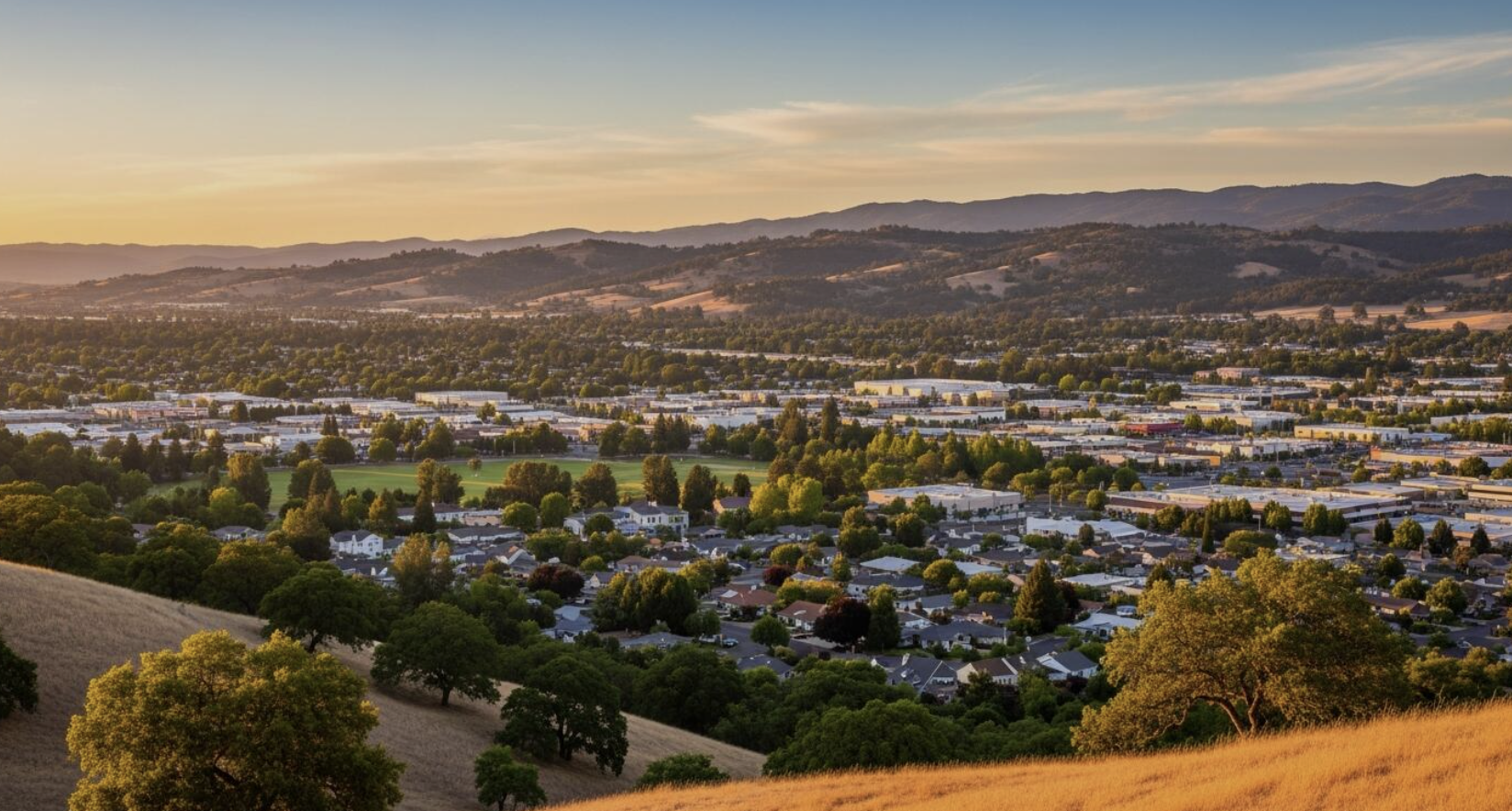
Windsor: Where Families Plant Roots
Windsor has earned its reputation as the family town of Sonoma County. The schools are strong, the neighborhoods feel genuinely safe, and the community spirit is palpable. With median home prices around $780,000, Windsor strikes a balance between value and quality of life that's increasingly hard to find in wine country.
The Town Green sits at the heart of Windsor, and it's more than just a park. This is where the community comes together throughout the year. Summer brings outdoor concerts and movie nights under the stars. Winter features farmers markets and holiday celebrations. Kids run around while parents connect with neighbors. For many new families, one evening at the Town Green is enough to know Windsor feels right.
The school system deserves its strong reputation. Unlike some towns where parents stress about getting into one specific neighborhood for the best schools, Windsor Unified School District maintains consistency across the board. This means families can focus on finding the home that genuinely fits their needs instead of chasing narrow school boundaries. That flexibility reduces stress during the home search and often leads to better long-term satisfaction.
Windsor's housing stock offers meaningful choice. You'll find newer subdivisions with larger homes and modern layouts designed for today's families. You'll also discover older neighborhoods west of the freeway with generous yards, mature trees, and an established, welcoming feel. Many buyers overlook these older areas, but they often provide the best combination of price and character. The homes might need some updates, but the lots and the neighborhood atmosphere can't be replicated in newer developments.
Location makes daily life easier in Windsor. The town sits right along Highway 101, putting Santa Rosa just minutes away and Healdsburg even closer. The Charles M. Schulz Airport nearby adds convenience for travel. Now that the SMART train serves Windsor, neighborhoods near the station are likely to see increased demand over time. If you're thinking about long-term investment potential, proximity to that station matters.
Even with growth, Windsor has maintained its small-town character. Families stay because it delivers safety, connection, and abundant activities for both kids and adults. The organized sports programs, well-maintained parks, and year-round community events create a lifestyle that feels complete without needing to constantly drive to other towns for entertainment or services.
Windsor works best for parents who prioritize safe neighborhoods and want their kids to benefit from strong schools and extensive recreation opportunities. It's also ideal for buyers seeking a small-town lifestyle with genuinely modern convenience. You won't find Healdsburg's luxury or Sonoma's history here, but for families building their lives, Windsor often emerges as the clear choice.
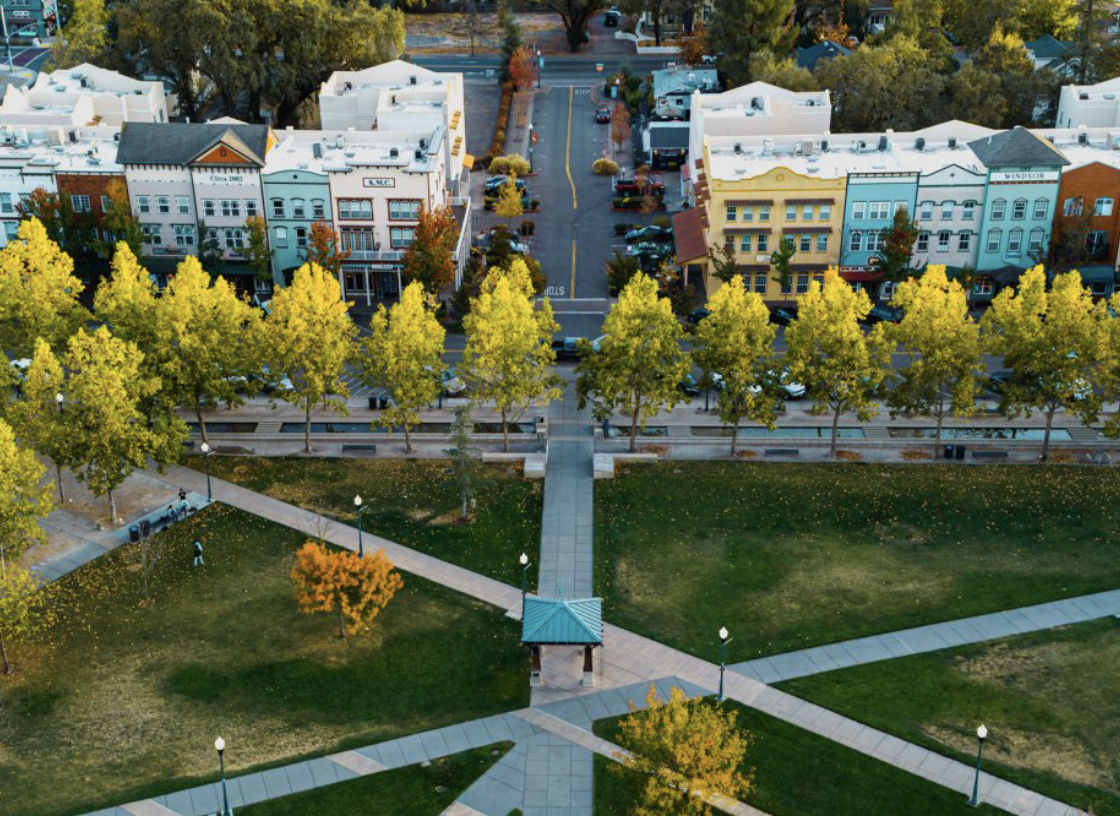
Healdsburg: The Wine Country Standard
Healdsburg represents the crown jewel of Sonoma County for many people. The prices reflect that status, with median home prices around $1.0 million, making it one of the county's most expensive markets. For some buyers, the investment makes complete sense. For others, it only pencils out if the lifestyle matches exactly what they're seeking.
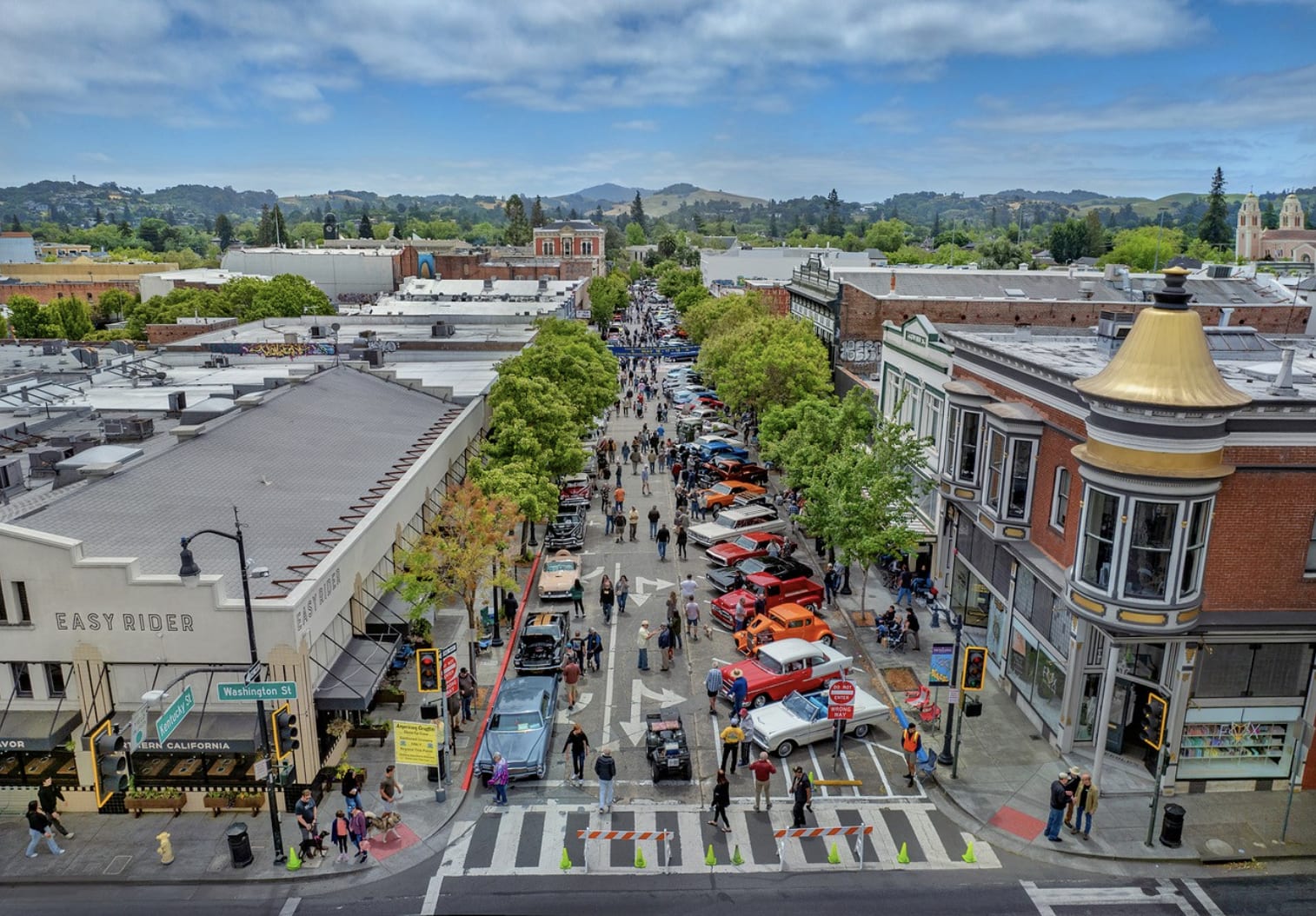
The plaza defines life in Healdsburg. Surrounded by acclaimed restaurants, tasting rooms, boutique shops, and art galleries, it pulses with activity almost any hour. Living within walking distance means you can step out your front door and access world-class dining, shopping, and wine tasting within minutes. Beyond that, Healdsburg sits at the convergence of three celebrated wine valleys: Alexander, Russian River, and Dry Creek. Vineyard views and winery access become part of your daily reality here, not just weekend activities.
But Healdsburg extends well beyond downtown boundaries. Outside the city limits, roads like Eastside and Dry Creek offer similar beauty and wine country ambiance at notably lower prices. These areas give buyers much of the Healdsburg lifestyle without the plaza premium. Many newcomers don't realize this opportunity exists, but it's one of the smartest ways to access value in an otherwise high-priced market. You might be ten minutes from downtown instead of ten blocks, but you're still in Healdsburg, and that matters for both lifestyle and property values.
The town has transformed dramatically over the past decade. Once a quiet farming community, Healdsburg has evolved into an international luxury destination. That shift has intensified demand even further. Homes close to the plaza, especially those still priced below their full potential, are now seen as strong bets for long-term appreciation. Buyers with patience and vision often target these properties, understanding that scarcity drives value over time.
This evolution mirrors what happened in other wine country destinations years ago. Later you'll hear about a town that feels like Healdsburg did fifteen years back—where growth hasn't fully arrived yet, but the potential is already evident.
Still, popularity brings inevitable trade-offs. From May through October, Healdsburg fills with tourists. On summer weekends, streets are packed, restaurants are booked solid, and locals have to plan their routines around visitor traffic. Some residents embrace the energy and consider it part of living in a destination town. Others find it overwhelming and prefer the quieter off-season months. Understanding your tolerance for crowds matters before you commit to living here.
Another challenge is limited supply. With relatively few homes and high demand, good properties move quickly and often attract multiple offers. Buyers need both financial strength and patience to succeed in this market. Realistically, most households need incomes above $200,000 to live in Healdsburg comfortably while maintaining a reasonable quality of life.
Healdsburg makes the most sense for affluent buyers who want the complete wine country experience, empty nesters who appreciate walkable luxury and cultural amenities, and investors targeting the high-end rental market. It may not fit every budget or lifestyle preference, but for those who can make it work, Healdsburg offers a distinctive combination of sophistication, culture, and vineyard beauty you simply can't replicate anywhere else in Sonoma County.
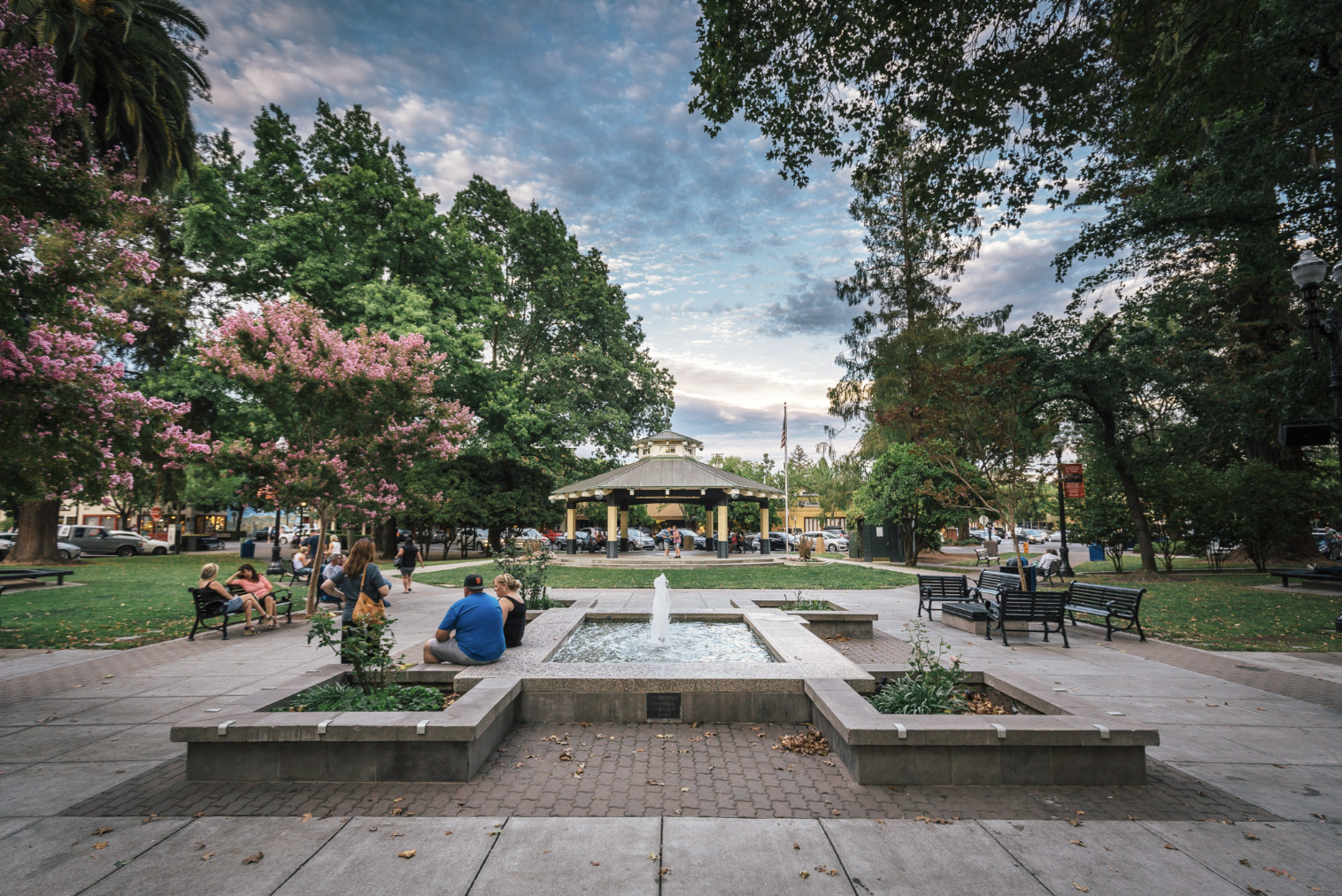
Sonoma: History and Character at a Slightly Lower Price Point
Sonoma built its reputation on history and enduring charm. At the center sits the famous Sonoma Plaza, birthplace of California's wine industry. Today that plaza is lined with tasting rooms, cafés, shops, and restaurants that create a walkable lifestyle with an almost European feel. Living near the plaza means handling most daily errands without starting your car—a rare luxury in California.
The median home price in Sonoma runs about $965,000. That makes it less expensive than Healdsburg but still notably higher than towns like Cloverdale or Rohnert Park. For many buyers, it strikes an appealing balance: you get genuine history, architectural character, and cultural depth without paying absolute top prices.
Life in Sonoma changes with the seasons in ways that shape daily experience. During summer, the plaza fills with tourists. Streets buzz with activity, restaurants stay packed, and the whole town operates at a faster pace. Come winter, crowds disappear and Sonoma returns to feeling like a quiet local community. Some people love this seasonal rhythm and consider it part of the town's authentic character. Others find it exhausting to constantly adjust to these dramatic shifts in atmosphere.
Tourism brings traffic as well. Weekend parking near the plaza can test your patience, and navigating through town during peak season requires planning. However, neighborhoods northeast of the square offer similar walkability without quite as much tourist impact. Buyers who understand the town's geography often find these areas provide the best balance between access and tranquility.
One consideration that matters for some buyers: Sonoma doesn't sit directly on Highway 101. That means longer drives when you need to reach other parts of the county or travel to San Francisco. For commuters, this creates friction. For retirees or remote workers, that extra distance often feels like a benefit because it helps Sonoma maintain its distinctive character without becoming just another freeway town.
The community here skews older, with a median age in the early fifties. This creates a more refined, established atmosphere. You'll find excellent restaurants, robust arts and culture, and sophisticated conversation, but fewer family-focused activities compared to towns like Windsor or Santa Rosa. Understanding this demographic reality helps set appropriate expectations about community dynamics and social opportunities.
Sonoma works particularly well for retirees who value a cultured, walkable lifestyle, wine enthusiasts who want historical authenticity at their doorstep, and professionals who work remotely and prioritize character over commute convenience. If you're searching for genuine history, architectural integrity, and a measured pace of life, Sonoma may represent exactly what you're looking for.
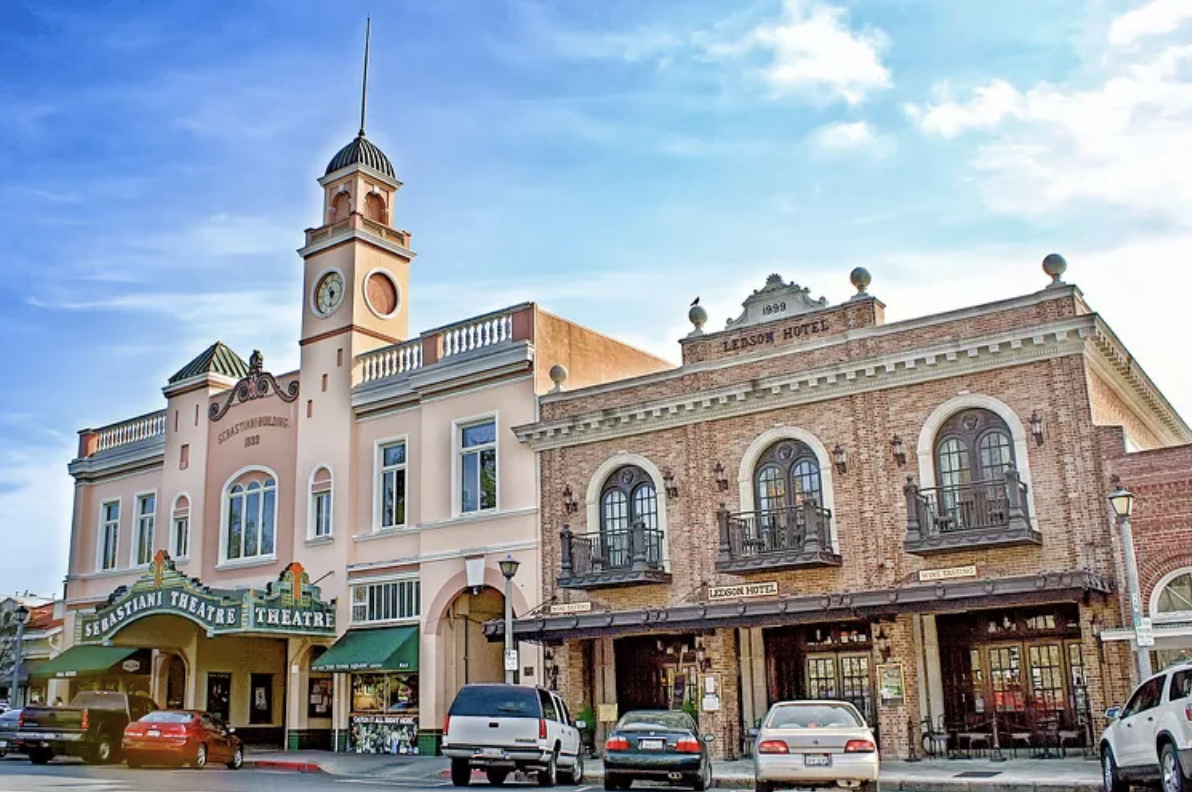
Cloverdale: The Smart Value Play
Cloverdale occupies the northern edge of Sonoma County, and for buyers seeking the most affordable entry into wine country, this often serves as the starting point. With median home prices around $545,000, Cloverdale costs dramatically less than any other city in the county. When you compare that to Healdsburg, just a short drive south with prices more than double, the gap becomes striking.
Low cost doesn't mean low potential, though. Cloverdale has been quietly transforming. The downtown area has come back to life with new restaurants, tasting rooms, and community events that inject fresh energy into what was once a sleepier town. Some long-time locals say Cloverdale now feels similar to how another wine country destination felt before its luxury transformation. And later we'll examine a town where that evolution is already complete.
The primary challenge is distance. As the northernmost city in the county, Cloverdale sits about forty-five minutes from Santa Rosa and two hours or more from San Francisco during heavy traffic. For daily commuters, that drive can become unsustainable. But for retirees, remote workers, or buyers who don't need frequent access to the city, the trade-off often proves worthwhile given the substantial savings.
Housing variety in Cloverdale surprises many first-time visitors. You can find charming Victorian homes near downtown that echo the town's nineteenth-century roots, newer subdivisions with contemporary layouts and modern systems, and rural properties with acreage for those wanting space and privacy. Unlike most of Sonoma County, first-time buyers can still find homes under $600,000 here. That makes Cloverdale one of the last genuine entry points for wine country living.
Amenities are more limited than in larger towns, but the essentials are covered. You'll find grocery stores, local restaurants, and medical care available locally. The Russian River runs directly through town, offering kayaking, fishing, and swimming access that adds both lifestyle value and recreational opportunities. Even if you give up some shopping or entertainment options compared to Santa Rosa, you gain direct connection to natural amenities.
Hidden pockets within Cloverdale deserve attention too. Just southeast of downtown, certain neighborhoods combine walkability with quick highway access. These areas are often overlooked by buyers focusing solely on newer developments, but they can offer the best balance of convenience and value for those willing to look beyond the obvious choices.
Cloverdale works well for first-time buyers who need affordability to enter the market, retirees wanting a slower pace while managing a fixed income, and remote workers who value space over easy access to urban centers. It's also interesting for investors who believe the town's trajectory could echo what happened in Healdsburg years ago before prices exploded. It won't work for everyone, but for the right buyer with appropriate expectations, Cloverdale represents the smart financial play.
Sebastopol: Where Creativity and Agriculture Meet
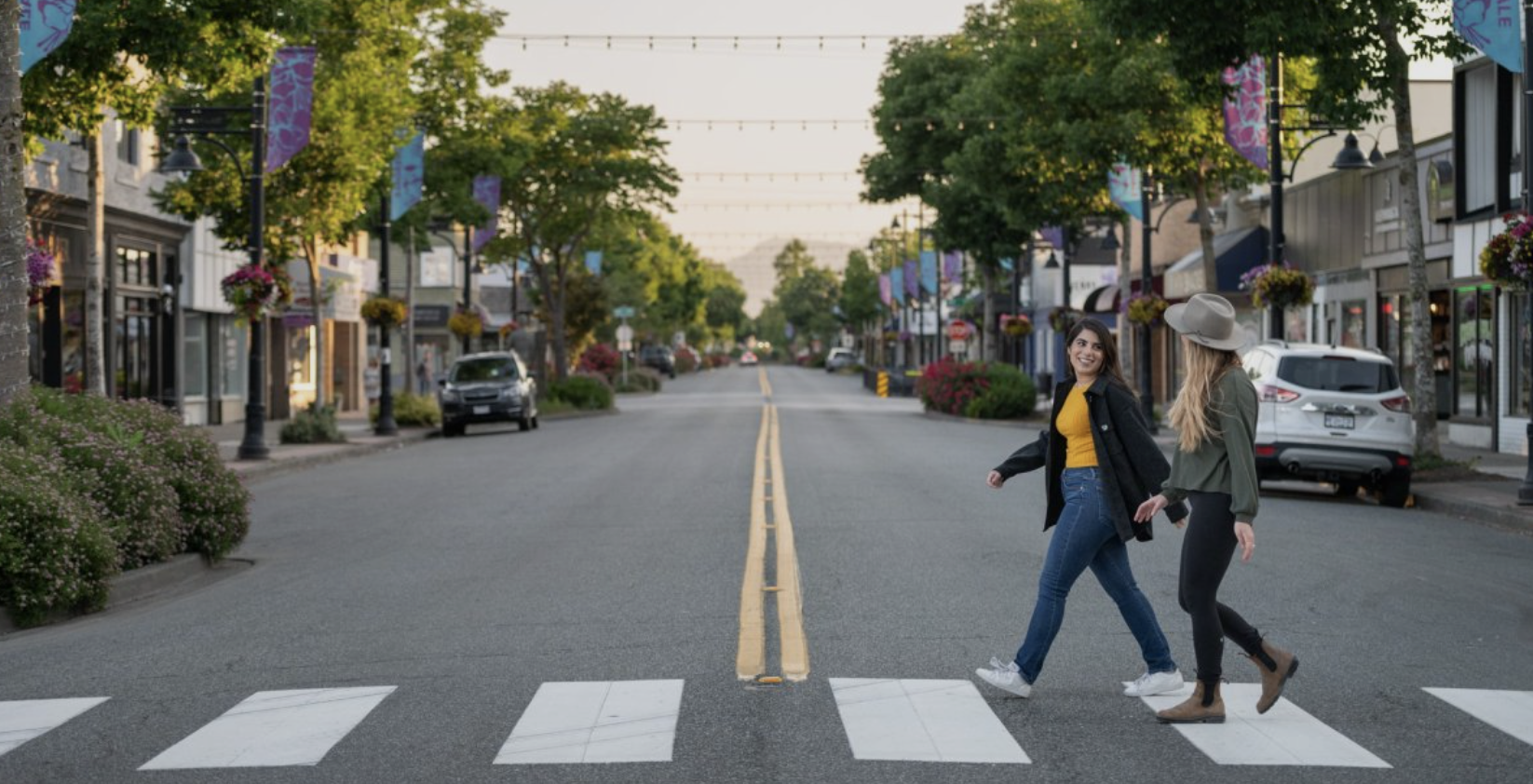
Sebastopol stands distinctly apart from the rest of Sonoma County. While most towns lean heavily on wine as their primary identity, Sebastopol is built on creativity, sustainability, and genuine community spirit. It's smaller than Santa Rosa or Petaluma, but average home prices still reach around $1.1 million. That premium exists because Sebastopol attracts a very specific buyer profile: people who care about values and authentic lifestyle as much as the physical home itself.
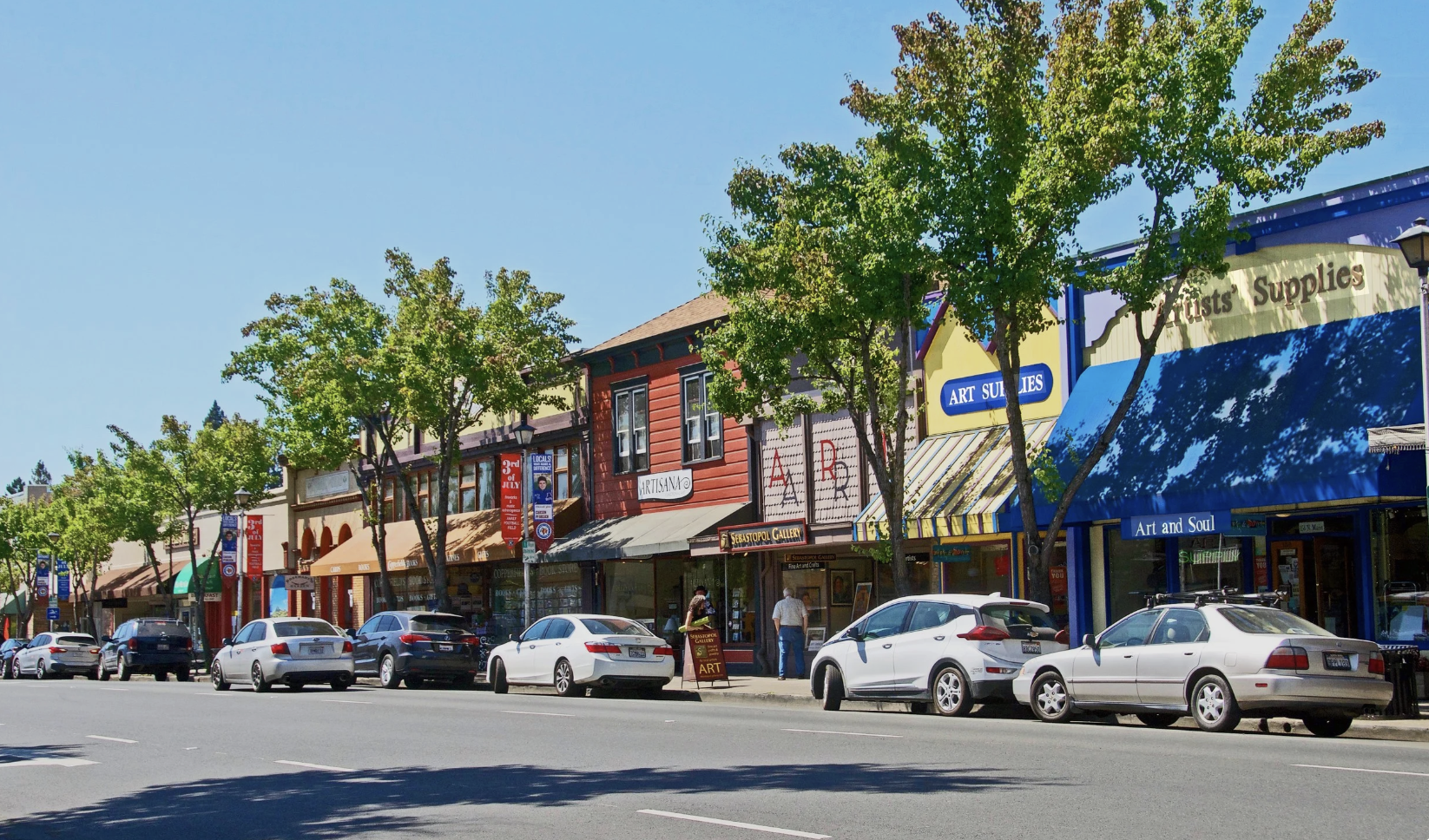
Downtown Sebastopol feels different immediately. Instead of national chains, you'll discover local art galleries, independent bookstores, unique shops, and farm-to-table restaurants that source from surrounding farms. The Barlow, a twelve-acre open-air marketplace, serves as the town's creative hub. Filled with local makers, craft breweries, and artisan food producers, it gives Sebastopol an authentic heartbeat. Compared to Healdsburg's polished sophistication, Sebastopol feels more grounded and genuine. And when we discuss the decision framework shortly, you'll understand why towns like this can be perfect for buyers who aren't focused purely on traditional status markers.
The surrounding countryside adds to Sebastopol's distinctive character. This is Gravenstein apple territory, home to organic farms and rustic vineyards that feel genuine rather than manicured for tourists. If you want a place where food, farming, and agricultural heritage are woven into daily life rather than presented as weekend entertainment, Sebastopol delivers consistently.
Climate sets Sebastopol apart as well. Positioned closer to the coast, it runs noticeably cooler and foggier than towns farther east. Summer temperatures can be ten to fifteen degrees lower than Healdsburg or Sonoma on the same day. Some people love this break from relentless heat, appreciating the moderate climate and the way fog nourishes the landscape. Others miss steady sunshine and find the marine layer depressing. Either way, the climate fundamentally shapes the lifestyle here and should factor into your decision.
Housing in Sebastopol reflects the town's individualistic character. Northeast of downtown, you'll find rural properties that still provide quick access to shops and restaurants. These locations are highly sought after because they balance privacy with convenience—you can live surrounded by apple orchards but still reach The Barlow in ten minutes.
Sebastopol isn't trying to appeal to everyone, and that's precisely the point. It attracts creative professionals who value authentic expression over status symbols, retirees seeking an engaged, progressive community, and buyers who prioritize sustainability and local food systems over luxury branding. If you're chasing high-end wine country prestige and social status, Healdsburg represents the better fit. But if you want authenticity, individuality, and a community that feels genuinely real rather than carefully curated, Sebastopol might be exactly what you're searching for.
For the right person, Sebastopol transcends being just a place to live—it becomes a lifestyle choice that aligns with core values. And once you choose it, there's no mistaking its character.
How to Actually Choose the Right Town: A Decision Framework
The hardest part of moving to Sonoma County isn't finding a house you like. It's choosing the town that will actually support the life you want to live. On paper, homes can look remarkably similar. But the way life feels in Petaluma is nothing like the experience of living in Cloverdale. Healdsburg and Sebastopol may only be twenty minutes apart by car, but they feel like completely different worlds.
Start by visualizing your actual daily routine, not the idealized version you imagine on vacation. Picture your typical morning. Do you see yourself walking to a coffee shop on a bustling plaza in Sonoma or Healdsburg? Or do you want access to bigger city services—comprehensive hospitals, extensive shopping options, and diverse job centers—that Santa Rosa provides? Maybe you'd rather live in a quieter setting surrounded by apple orchards or vineyards, which points toward Sebastopol or Cloverdale.
Think honestly about your commute situation. Highway 101 runs through the county, but not every town offers equally convenient access. Being even ten or fifteen minutes farther from the highway adds up dramatically when you're driving daily. That's why some families strongly prefer Windsor or Rohnert Park, while others don't mind the extra distance in exchange for Sonoma's charm or Cloverdale's affordability.
Your personality and lifestyle preferences matter as much as practical considerations. Some towns bring constant energy with regular events, concerts, and festivals. Healdsburg and Windsor deliver that vibrancy. Other communities feel quieter and more contemplative. Sebastopol leans artistic and progressive, while Cloverdale maintains a small-town, relaxed atmosphere. The key is finding a place that genuinely matches who you are, not who you think you should be. When that alignment exists, you'll naturally feel like you belong.
Don't overlook the importance of micro-neighborhoods within towns. Prices and daily lifestyle can shift dramatically within just a few miles. A home close to a highly-rated school, adjacent to a popular park, or just outside the heaviest tourist corridors can feel completely different from one a few blocks away. After helping hundreds of families through this process, I can tell you this with certainty: the happiest buyers are those who took time to find the specific pocket within a town that genuinely fit their needs, rather than just picking the town itself.
In the end, the physical house isn't what creates long-term happiness. It's the connection between your daily rhythm and the community's natural pace. When those two elements align properly, Sonoma County feels like home almost immediately. When they don't align, even the most beautiful property will eventually feel wrong.
Where I'd Look for Value Today
If I were moving to Sonoma County right now, several towns would top my list. They may not always generate the most buzz, but they balance price, lifestyle quality, and long-term opportunity better than most alternatives.
Let's start with Cotati, which often flies completely under the radar. Cotati sits strategically between Rohnert Park and Petaluma, providing quick access to Highway 101 and the SMART train. That positioning makes commuting manageable in either direction. The town itself features a small, distinctive downtown laid out in an unusual hexagon pattern, which gives it memorable character. With average home prices around $785,000, Cotati feels notably affordable compared to its immediate neighbors. For buyers wanting convenient location and small-town character without paying Petaluma's premium, Cotati represents a smart choice that many people overlook.
Then there's Windsor, which consistently ranks as a top pick for families. The schools maintain quality across the entire district, meaning parents don't have to stress about landing in one specific neighborhood. Beyond education, Windsor delivers genuine community connection. Between the Town Green, the extensive park system, and organized youth programs, families feel integrated from the start. Many people who move to Windsor end up staying far longer than they initially planned simply because the lifestyle works seamlessly.
If your budget is particularly tight, Cloverdale deserves serious consideration. It offers the lowest prices in the county and a downtown that's experiencing genuine revitalization. For first-time buyers, it's one of the few remaining places where homes under $600,000 are still realistic. Add the Russian River access and the authentically relaxed small-town atmosphere, and Cloverdale provides substantial value relative to price. Many observers see it as offering the kind of opportunity Healdsburg represented years ago before prices skyrocketed.
Finally, Rohnert Park deserves mention. It may not be the most picturesque or historically significant town, but it excels at being practical. The central county location, the thoughtfully planned layout, and the presence of Sonoma State University keep demand reliably steady. Investors appreciate it because the rental market stays consistent, and buyers like it because it remains affordable compared to nearby alternatives. It's not flashy or exciting, but it makes fundamental sense for many people's situations.
Each of these towns—Cotati, Windsor, Cloverdale, and Rohnert Park—offers something meaningfully different. But all four provide buyers with strong value in today's market, whether your priorities center on family life, pure affordability, or long-term growth potential.
Finding Your Place in Wine Country
Moving to Sonoma County is fundamentally about finding the right town, not just the right house. A property can look absolutely perfect in photos and check every box on your list, but if it's located in the wrong community for your lifestyle, it will never truly feel like home. That's the mistake I see most frequently—people become so focused on the physical property that they forget to evaluate the lifestyle surrounding it.
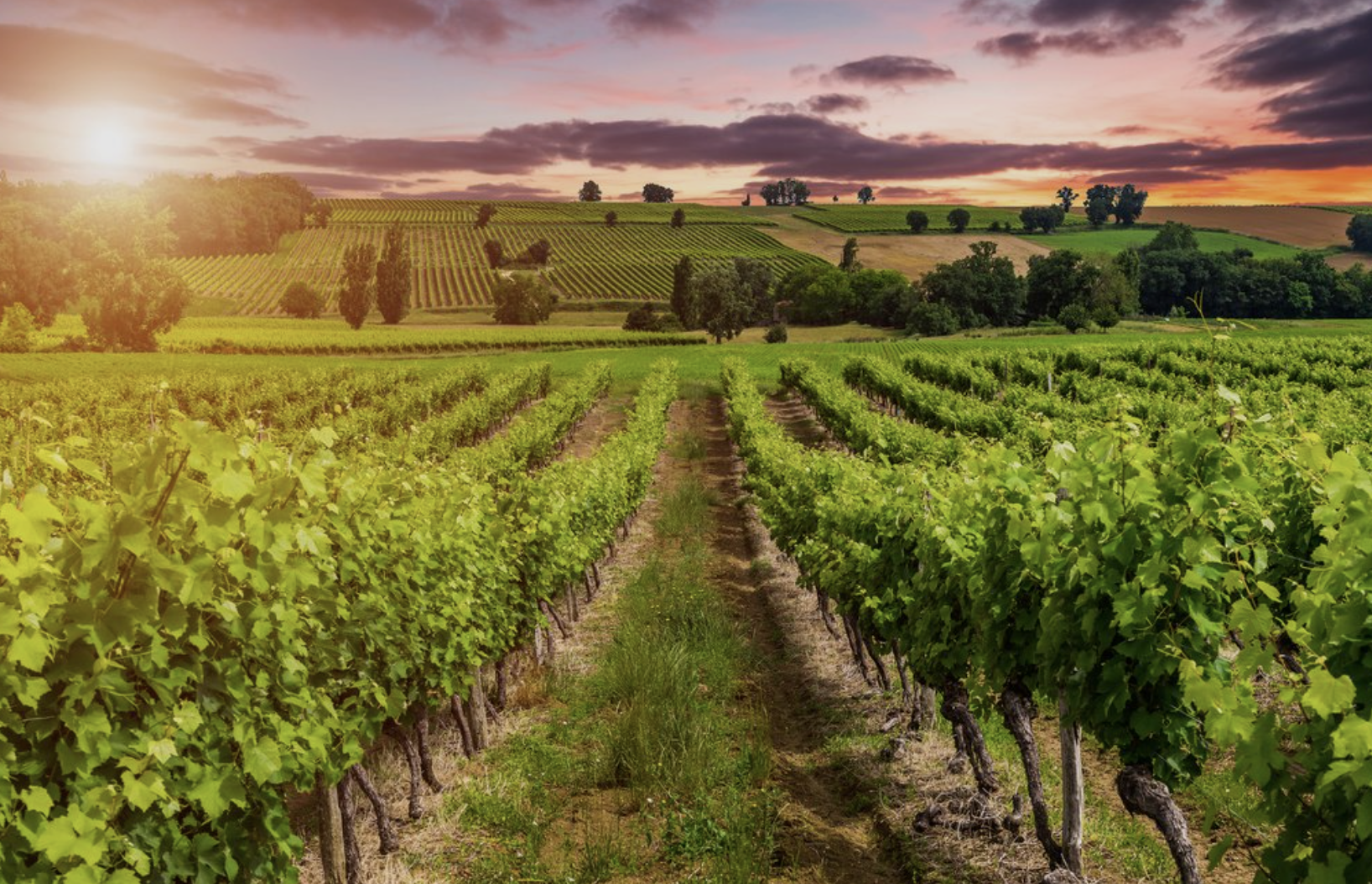
Every town here operates with its own distinct rhythm. Healdsburg and Sonoma shine with walkability, cultural depth, and sophisticated dining. Windsor and Petaluma center their identities around strong schools and family-friendly communities. Sebastopol draws people who value creativity, sustainability, and authentic local character. When you find the town that naturally matches your rhythm, everything else falls into place with surprising ease. When you don't find that match, even the nicest house starts feeling wrong within months.
After helping over 400 families navigate these decisions, I can tell you what separates those who thrive here from those who struggle: the successful ones invested time upfront understanding not just what they were buying, but where they were planting roots. They asked themselves hard questions about commute tolerance, comfort with tourist crowds, preferences for walkability versus space, and whether they wanted established charm or affordable potential.
If you're seriously considering buying or selling in Sonoma County, don't try to figure this out alone. This market is too nuanced, too expensive, and too important to your long-term happiness to rely on internet research and casual advice. Send me an email at hello@modernlivingsonoma.com and let's have an honest conversation about your goals, your priorities, and which communities might genuinely fit your lifestyle. With the right plan and local expertise, you won't just find a house—you'll find a place that actually feels like home.
The difference between choosing the right town and the wrong one is bigger than the gap between a great Pinot and a bad Chardonnay. And in Sonoma County, that difference can change everything about how you live.