Sonoma and Healdsburg sit just 30 minutes apart on the map. But when it comes to lifestyle, community culture, and what your daily life will actually look like, these two wine country towns exist in completely different worlds.
In one town, tech executives and teachers share picnic tables at community events, seamlessly mixing income levels in the same neighborhoods. In the other, multi-generational families maintain traditions that stretch back decades, creating deep roots that shape everything from the social scene to how quickly you'll make friends.
After helping over 400 families navigate the decision between these two towns, I've seen firsthand how the differences catch people off guard. The investment numbers matter, sure. But it's the lifestyle nuances that determine whether you'll thrive in your new wine country home or find yourself wishing you'd chosen differently.
Location and Daily Life Logistics
When you're evaluating wine country real estate as an investment property or primary residence, your commute patterns and travel habits shape more than just your schedule. They fundamentally impact your quality of life and the flexibility you have to balance wine country living with professional commitments or family obligations elsewhere.
Sonoma sits 45 miles from San Francisco. On a good day without traffic, that's about an hour's drive. Healdsburg extends that distance to 70 miles, putting you at roughly 90 minutes during rush hour. For Bay Area commuters, especially those heading to the South Bay or East Bay, Sonoma's proximity makes the logistics more manageable. That being said, the Narrows construction project in Petaluma is now complete, and travel times from Healdsburg have improved exponentially
Neither location makes sense for daily commuting to the Bay Area if we're being realistic about quality of life. But if you're working remotely most days and heading into the office just two or three times weekly, both towns become viable options. The question becomes which location better serves your other lifestyle priorities.
Here's where things get interesting for frequent travelers. If you fly regularly for business or pleasure, Healdsburg holds a distinct advantage. Charles M. Schulz Airport in Santa Rosa sits just 10 minutes from downtown Healdsburg, offering direct flights to Los Angeles, Phoenix, Portland, and Seattle. From Sonoma, you're looking at over an hour to reach any major airport, and that's assuming optimal traffic conditions.
The SMART train extension represents another game-changer that many people don't know about yet. The line already reaches Windsor, just 10 minutes north of Healdsburg. This provides direct connection to the Larkspur Ferry and into San Francisco without ever getting in your car. For people who've been hesitant about the Healdsburg commute, this infrastructure shift changes the entire equation.
For coastal access, Healdsburg offers proximity that Sonoma simply can't match. You can reach Jenner at the Russian River mouth in 45 minutes, perfect for those summer days when inland temperatures climb into the 90s. From Sonoma, coastal access requires well over an hour. The Russian River access from Healdsburg also means kayaking and paddleboarding become part of your regular routine rather than occasional weekend adventures.
If exploring both wine regions matters to you, Sonoma provides a 30-minute straight shot to downtown Napa. This dual-region access makes Sonoma particularly popular with people who want to experience everything Northern California wine country offers on a regular basis.
The Dining Experience
The culinary scenes in these two towns tell you everything you need to know about who lives there and what they value. These differences matter more than you might think, especially if food and wine experiences factor into your lifestyle investment decision.
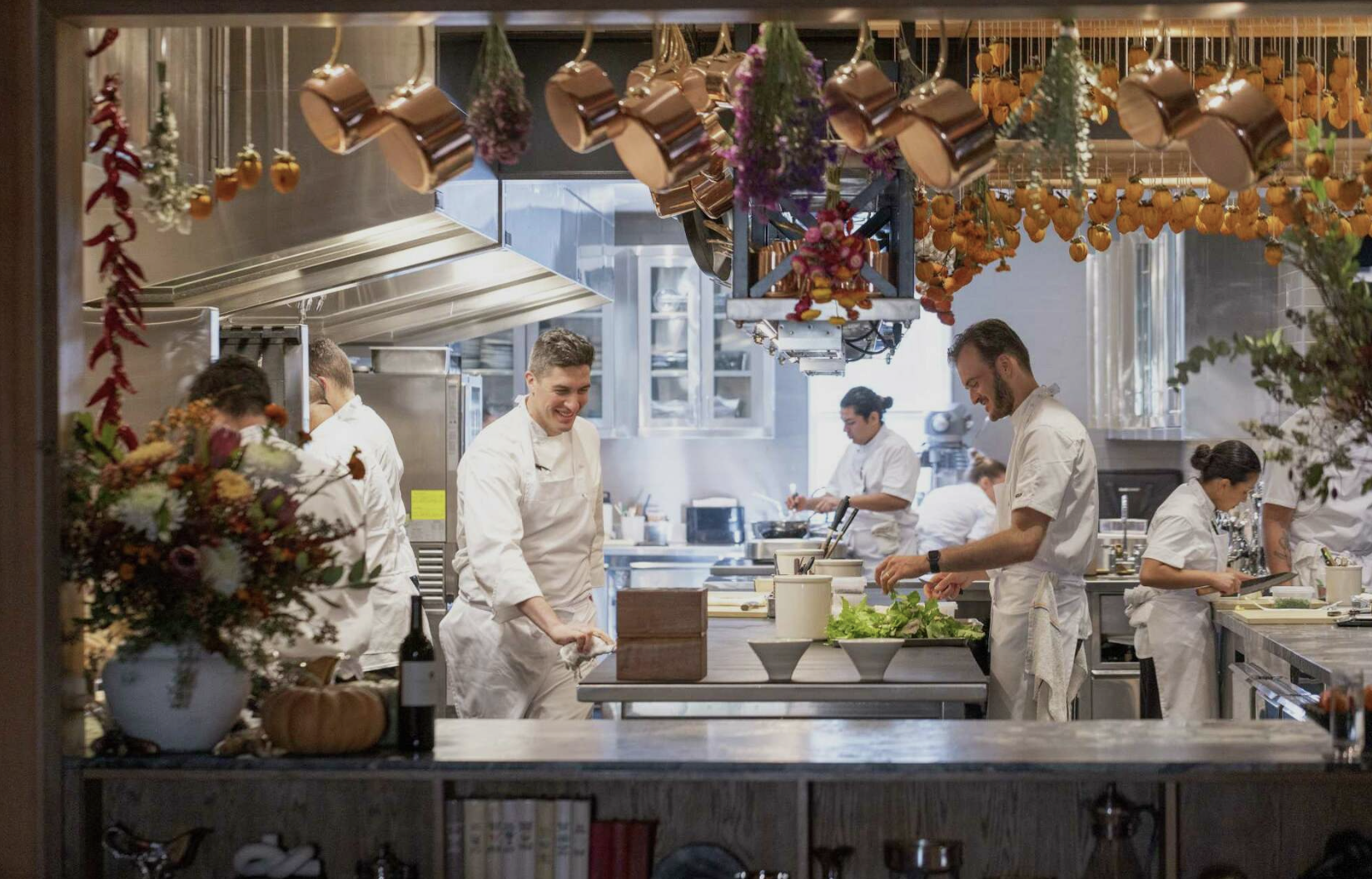
Healdsburg has earned its reputation as Sonoma County's foodie capital through consistent excellence at the highest levels. SingleThread holds three Michelin stars, making it one of the most prestigious restaurants in California. Valette maintains one Michelin star with its innovative California-French cuisine. Barndiva earned a Michelin Green Star for sustainability practices. These aren't just restaurants. They're destinations where dinner reservations book months in advance and tasting menus can run $400 per person.
The dining scene continues evolving rapidly. The new Hotel Appellation is bringing another incredible food experience to town. Within a one-mile radius of the plaza, you'll find over 40 restaurants. That's remarkable density for a town of 12,000 people, creating a culinary ecosystem that rivals much larger cities.
Sonoma takes a different approach that reflects its longer history and more traditional character. The Girl & The Fig has been serving farm-to-table cuisine for 27 years, becoming as integral to Sonoma's identity as the plaza itself. El Dorado Kitchen has maintained its California cuisine reputation since 2006. Cafe La Haye has served locals since 1996, building the kind of multi-decade relationships that define small-town dining.
But Sonoma's dining scene isn't stuck in the past. Enclos opened in 2023 as the town's first two-Michelin-star restaurant, demonstrating that Sonoma can compete at the highest levels while maintaining its down-to-earth character. What sets Sonoma apart is the price diversity within a concentrated area. You can grab incredible $10 tacos from a food truck near the plaza or splurge on a $300 tasting menu, sometimes on the same block.
The distinction comes down to this: Healdsburg's food scene feels cutting-edge and experimental, constantly pushing culinary boundaries with new techniques and innovative approaches. Sonoma's scene feels rooted in tradition while still embracing excellence, valuing longevity and consistency alongside innovation. Both approaches create exceptional dining experiences, but they attract different types of food enthusiasts and shape the social fabric differently.
Wine Tasting and Appellations
Wine shapes daily life in wine country, influencing everything from your social calendar to weekend activities to the investment potential of properties with vineyard development opportunities.
Healdsburg occupies an exceptional geographic position where three major wine appellations converge. The Russian River Valley produces world-class Pinot Noir and Chardonnay. Dry Creek Valley specializes in Zinfandel and Sauvignon Blanc. Alexander Valley creates bold Cabernet Sauvignon. Within a 20-minute drive from downtown Healdsburg, you can visit over 150 wineries, offering staggering variety in a remarkably compact area.
The tasting experiences in Healdsburg tend toward casual and intimate. Average tastings run $35 to $50, with about 70% being family-owned operations where you might find yourself chatting directly with the winemaker or owner. These aren't corporate tourist operations. They're passion projects where every bottle carries a personal story. The innovation happening in these smaller wineries often leads to unique varietals and experimental techniques you won't find in more established regions.
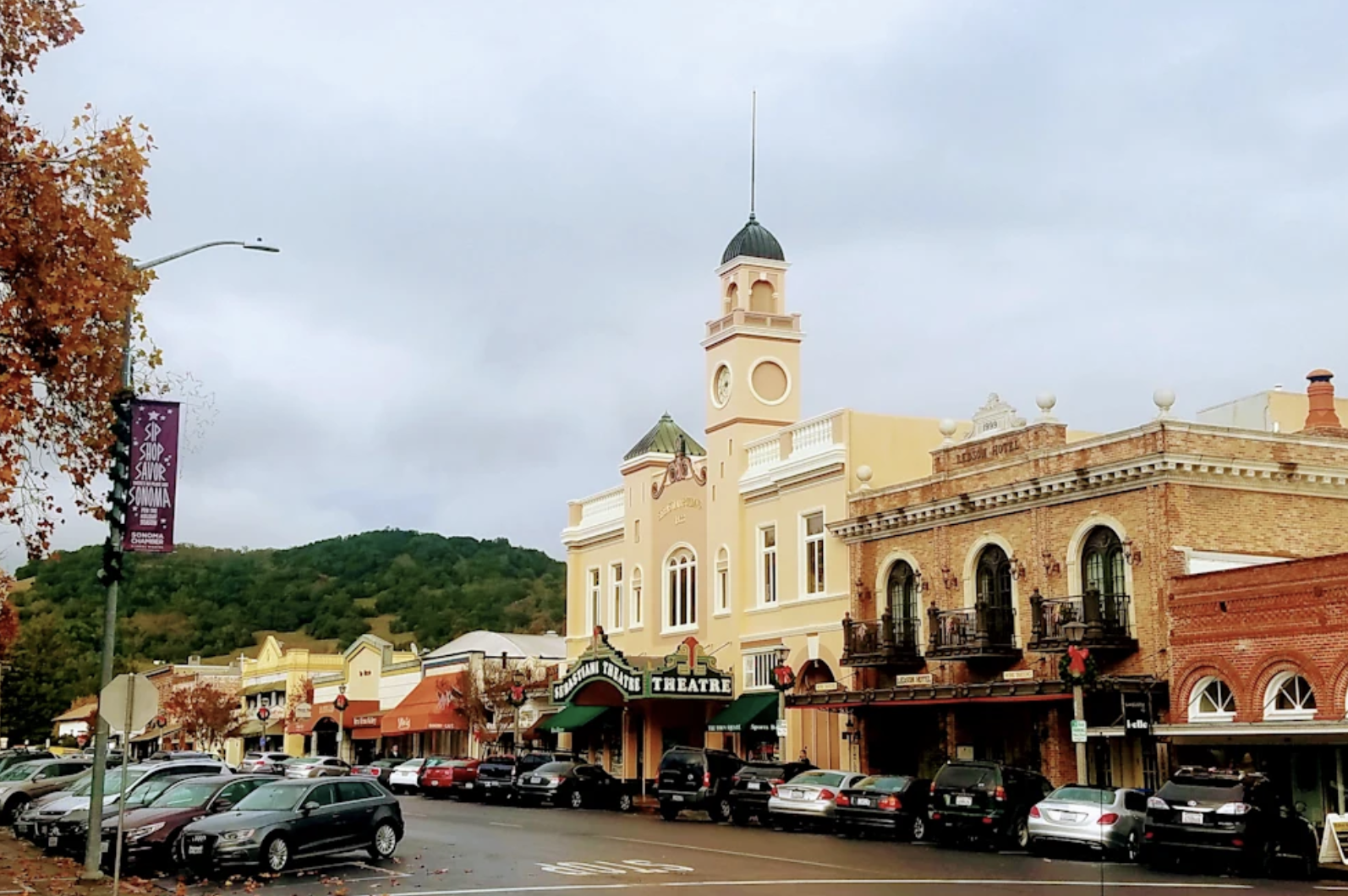
Sonoma approaches wine from a completely different angle, one steeped in California history that matters to certain buyers. Buena Vista, established in 1857, holds the distinction as California's first commercial winery. The plaza itself is surrounded by more than 40 tasting rooms, all within walking distance. You could spend an entire day wine tasting without ever getting in your car, creating a pedestrian-friendly experience that appeals to visitors and residents alike.
The diversity of experiences in Sonoma ranges from grand estates to urban tasting rooms. Sebastiani and Benziger provide classic winery tour experiences with trains, caves, and panoramic vineyard views. Meanwhile, contemporary operations like Walt, Sojourn, and Three Sticks have opened sophisticated tasting rooms right off the plaza, bringing premium wines into an urban setting. Tasting prices vary more widely here, from $20 at smaller operations to over $100 at premium estates.
The fundamental difference: Healdsburg delivers variety and innovation, with winemakers constantly experimenting with new techniques and pushing boundaries. Sonoma offers tradition and established excellence, with wineries that have been perfecting their craft for generations. Both create exceptional wine experiences, but they appeal to different approaches to wine appreciation and collecting.
Community Culture and Social Integration
The community culture differences between these towns matter profoundly, especially for people relocating from elsewhere who want to integrate quickly into their new community rather than remaining perpetual outsiders.
The phrase that best captures Healdsburg's community spirit is "Come sit with us." This isn't marketing language. It's how the town actually operates on a daily basis.
Healdsburg deliberately integrates income levels within neighborhoods. You'll find $4 million homes situated right next to multi-family housing. There are no gated communities within city limits, and that's by intentional design. The city's 2040 General Plan specifically calls for mixed-income neighborhoods to preserve community character and prevent the socioeconomic segregation that plagues many affluent areas.
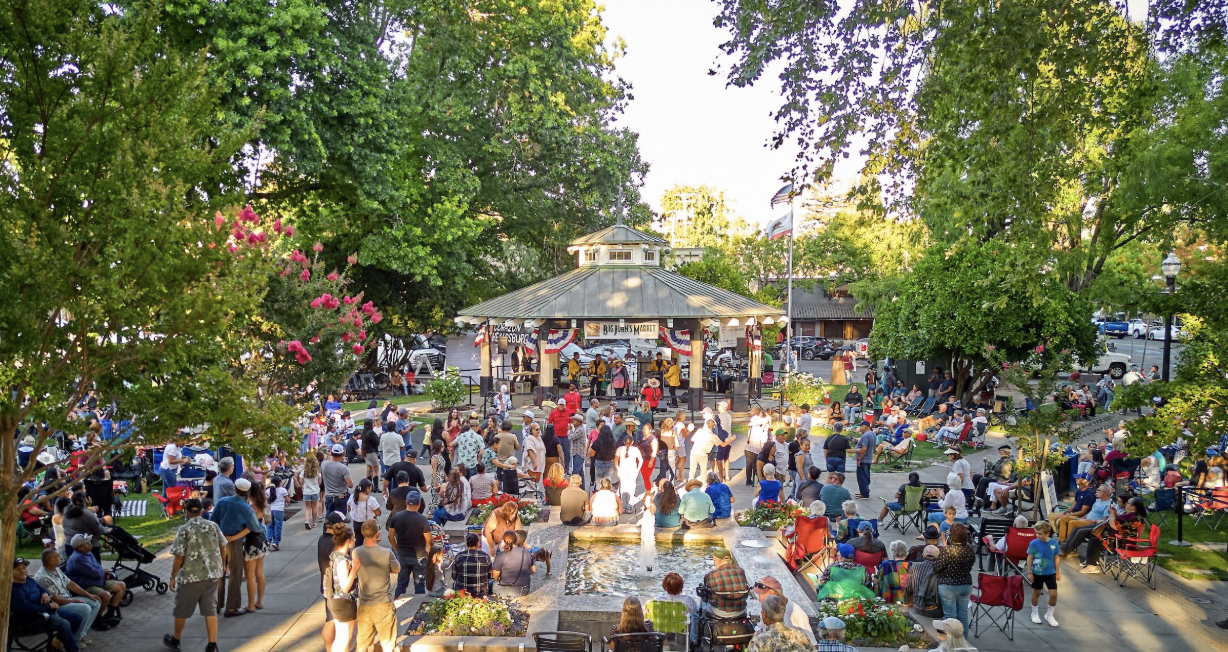
This creates something genuinely special. At the Tuesday Concert Series running from May through September, tech executives picnic next to teachers, and winemakers chat with retail workers. The Future Farmers Parade, now over 100 years old, brings together every segment of the community. The Turkey Trot on Thanksgiving morning draws over 2,000 participants spanning all ages and backgrounds.
The community-owned and operated Prune Packers baseball team embodies this spirit perfectly. Games become town gatherings where social boundaries genuinely disappear. You'll find yourself making friends at the farmers market, meeting neighbors at community events, and feeling connected within months rather than years.
Sonoma operates on a different wavelength, one that values tradition and multi-generational connections over rapid integration. About 40% of residents have lived here for over 20 years, creating deep roots and well-established social networks. The town's history as the birthplace of California, with the Bear Flag Revolt happening right on the plaza, infuses daily life with a sense of permanence and historical significance.
Tourism shapes Sonoma more dramatically than it does Healdsburg. Prior to 2020, the town averaged 3.5 million annual visitors. On peak weekends, the population can increase tenfold. Being the county's namesake makes Sonoma a must-visit destination, bringing both economic vitality and lifestyle considerations around crowds and traffic.
That being said, the upcoming SMART train extension to Healdsburg will likely shift some of these tourist dynamics, potentially easing the concentration in Sonoma while changing Healdsburg's visitor patterns. How this plays out over the next few years will be worth watching for both lifestyle and investment purposes.
Real Estate Market Dynamics
The inventory differences between these markets tell a story that goes far beyond simple supply and demand, revealing important insights about market stability and investment opportunities.
Right now, Sonoma has 89 homes for sale and Healdsburg has 58. This isn’t a temporary market blip—it’s a consistent pattern that shapes how these markets behave and creates different opportunity sets for buyers
In Sonoma, the median home price sits at $1.2 million, with properties ranging from $650,000 starter homes to $15 million estates. The average home spends about 42 days on the market, giving buyers time to evaluate properties thoroughly and negotiate from a position of patience rather than pressure. The luxury market particularly stands out, with 45 homes currently listed above $5 million. The Eastside estates with sweeping vineyard views represent some of the most prestigious properties in wine country, offering the combination of privacy and wine country lifestyle that appeals to high-net-worth buyers.
Healdsburg's tighter inventory creates fundamentally different market dynamics. The median price runs $1.4 million, about $200,000 higher than Sonoma. Homes range from $750,000 to $12 million, but finding anything under a million requires patience and likely some compromise on location or condition. Properties average 38 days on the market, moving slightly faster despite higher prices because demand consistently outpaces supply.
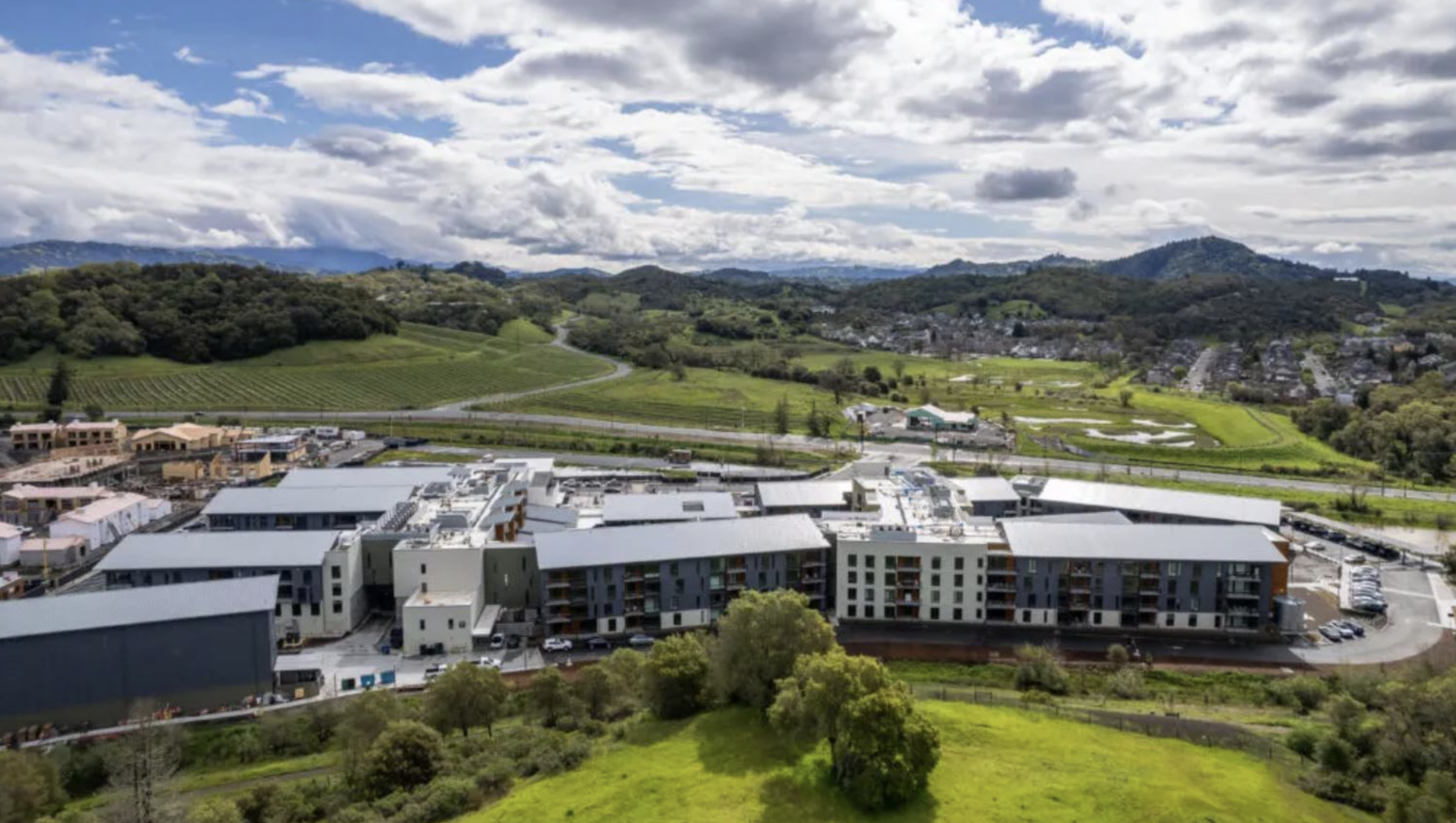
What makes Healdsburg unique from an investment perspective are the new development opportunities you won't find in Sonoma. The Mill District will add over 200 homes and condos within the next year. Montage Residences is bringing 60 luxury homes starting at $3 million. Enso Village creates an age-restricted community for active adults. These aren't traditional subdivisions. They're resort-style living communities with amenities rivaling five-star hotels, creating a new category of wine country living that appeals to buyers seeking turnkey luxury.
For value-conscious buyers in Healdsburg, properties north of Powell Avenue run 15 to 20 percent lower for similar quality homes. In Sonoma, properties west of Highway 12 provide better values while maintaining convenient town access.
Both towns feature beautiful historic homes, but they're distributed differently. Sonoma concentrates its historic properties around the plaza and on the Eastside, creating distinct neighborhoods with consistent architectural character that appeals to preservation-minded buyers. Healdsburg mixes eras and styles more freely, with restored Victorians sharing blocks with mid-century modern homes and brand-new construction.
Climate Considerations
Both towns share the Mediterranean climate that makes wine country famous, with warm, dry summers and cool, wet winters. But the differences, while subtle, affect daily comfort and outdoor living in ways that matter more than many buyers initially realize.
Summer temperatures in Healdsburg average 88 degrees for highs and 52 degrees for lows. Sonoma runs slightly cooler at 85-degree highs and 51-degree lows. Three degrees might not sound significant, but when you're trying to enjoy your outdoor living space on summer afternoons, those three degrees make a tangible difference in comfort.
The microclimates add another important layer. In Healdsburg, proximity to the Russian River can drop temperatures by five to ten degrees within just a few miles, creating significant variation even within the same general area. South Sonoma benefits from what's called the Carneros influence, with cool air flowing up from San Pablo Bay. This marine influence keeps summer afternoons more comfortable and extends the growing season, which matters both for vineyard properties and home gardens.
The fog patterns differ too. Sonoma sees more consistent morning fog that burns off by noon, creating predictable patterns. Healdsburg's fog comes and goes more unpredictably, which some people find charming and others find less ideal for planning outdoor activities.
Both towns enjoy 220 to 240 days in their growing seasons, creating perfect environments for wine grapes and home gardens alike. If you're interested in growing your own food or maintaining landscaping, either location provides excellent conditions.
Making Your Decision
After guiding hundreds of families through this exact decision, clear patterns emerge about who thrives in each location.
Choose Sonoma if proximity to San Francisco drives your planning. That extra 30 minutes each way from Healdsburg compounds quickly, especially if you're commuting three or more days weekly. The easier East Bay access through multiple route options provides flexibility that Healdsburg can't match currently.
Sonoma makes sense if you want maximum housing choices at any given time. With double the inventory, you can be more selective about neighborhood character, architectural style, and price point. Those 45 luxury homes above $5 million represent options you might not find available in Healdsburg during your search timeframe.
If you prefer traditional, established communities where families have lived for generations, Sonoma delivers that character in spades. The pace feels more measured and deliberate. Change happens gradually, preserving the qualities that initially attracted you while still allowing for evolution.
Privacy seekers find more options in Sonoma as well. The Eastside estates and hillside properties provide separation and space that's harder to secure in Healdsburg's more integrated neighborhoods. And if California history resonates with you, living where the state began carries significance that new development simply can't replicate.
Choose Healdsburg if you travel frequently for business or pleasure. That 10-minute airport access fundamentally changes your relationship with travel. The direct flights to major West Coast cities eliminate the stress and time commitment of getting to SFO or Oakland. The upcoming SMART train connection will make city access even easier without the driving burden.
Healdsburg works beautifully for people who want rapid community integration. That "come sit with us" mentality means you'll make genuine friends at the farmers market, meet neighbors organically at community events, and feel truly connected within months rather than years. For people relocating from elsewhere, this integration matters enormously for quality of life.
Food enthusiasts who prioritize cutting-edge dining find Healdsburg compelling. Those Michelin stars reflect a community that genuinely values culinary innovation and supports restaurants pushing boundaries at the highest levels.
If river access and coastal proximity matter for your lifestyle, Healdsburg's location offers distinct advantages. Weekend trips to the coast, afternoon kayaking on the Russian River, or sunset walks along river trails become regular parts of your routine rather than occasional excursions.
The new resort-style living options in Healdsburg appeal specifically to buyers seeking luxury amenities without the isolation or exclusivity of gated communities. These developments provide exceptional living standards while maintaining community connection and integration.
Your Next Step
Whether you choose Sonoma's historic character and housing variety or Healdsburg's innovative spirit and tight-knit community, both towns provide distinct wine country lifestyles that work beautifully for the right people. The critical factor is honestly matching your priorities around commute patterns, community culture, and lifestyle preferences to the right location.
Choosing where to invest in wine country represents one of the most significant financial and lifestyle decisions you'll make. My team and I have guided over 400 families through exactly this process, helping them find their perfect fit in wine country. If Healdsburg is your pick, it pays to work with a top Healdsburg realtor who knows the market street by street. If you're ready to have a real conversation about making wine country your home or investment property, reach out at contact@bruingtonhargreaves.com.
We understand that successful wine country real estate investment requires balancing financial analysis with lifestyle compatibility. Whether you're seeking a primary residence, vacation home, or investment property, the differences between these towns affect everything from your daily experience to your long-term property value and rental income potential. Let's discuss which option aligns with your specific goals and circumstances.
Ready to take the next step in Healdsburg? Browse current homes for sale in Healdsburg, or if you are thinking about a move, learn how to sell your Healdsburg home.