Remember when you could buy a family home in Sonoma County for under $400,000? That era feels like ancient history now. Between the early 2000s and today, home prices here have skyrocketed 162%, completely transforming not just our real estate market but the very character of our communities. We've witnessed sleepy agricultural towns evolve into international destinations, seen neighborhood identities completely reinvent themselves, and watched entire communities literally rise from the ashes after devastating wildfires.
What's happened in Sonoma County represents one of the most dramatic regional transformations in California history. If you're considering investing in wine country real estate or relocating your family here, understanding this evolution isn't just interesting background information. It's essential context for making smart decisions about where and when to buy.
Understanding Sonoma County's Transformation
Let's travel back to the early 2000s. Sonoma County was undeniably beautiful then. We had the vineyards, the redwoods, and that stunning coastline. But we were definitely living in Napa's shadow, known mostly to wine enthusiasts and Bay Area weekenders looking for a quieter alternative to their more famous neighbor to the east.
Back then, you could purchase a nice home for around $375,000. Fast forward to today, and that same house would cost you nearly a million dollars—$984,000 to be exact. That's a 162% increase in just over two decades.
But here's what strikes me most about this transformation. It's not just that prices shot through the roof. The communities themselves feel completely different. If you'd fallen asleep in 2003 and woken up today, you might think you'd landed in an entirely different county.
So what happened? There's no simple answer. It's been this perfect storm of converging factors: the explosion of wine tourism putting Sonoma on the international map, tech money spilling over from San Francisco as remote work became more viable, everyone craving more space after being cooped up during the pandemic, and people finally recognizing that Sonoma offers something authentically special that you just can't replicate anywhere else.
That being said, I need to acknowledge something important before we dive into specific communities. This transformation hasn't been all sunshine and roses. When home prices jump 162% in just over a decade, that creates real challenges for longtime residents. There's an ongoing tension between embracing positive growth and preserving the authentic character that made people fall in love with Sonoma in the first place. It's a balance we're still figuring out.
Healdsburg: From Agricultural Town to Culinary Capital
If you'd visited Healdsburg in the early 2000s, you would've found a pleasant agricultural town with a charming plaza. Sure, we had some nice restaurants and a few tasting rooms, but nothing that would've prepared you for what was coming.
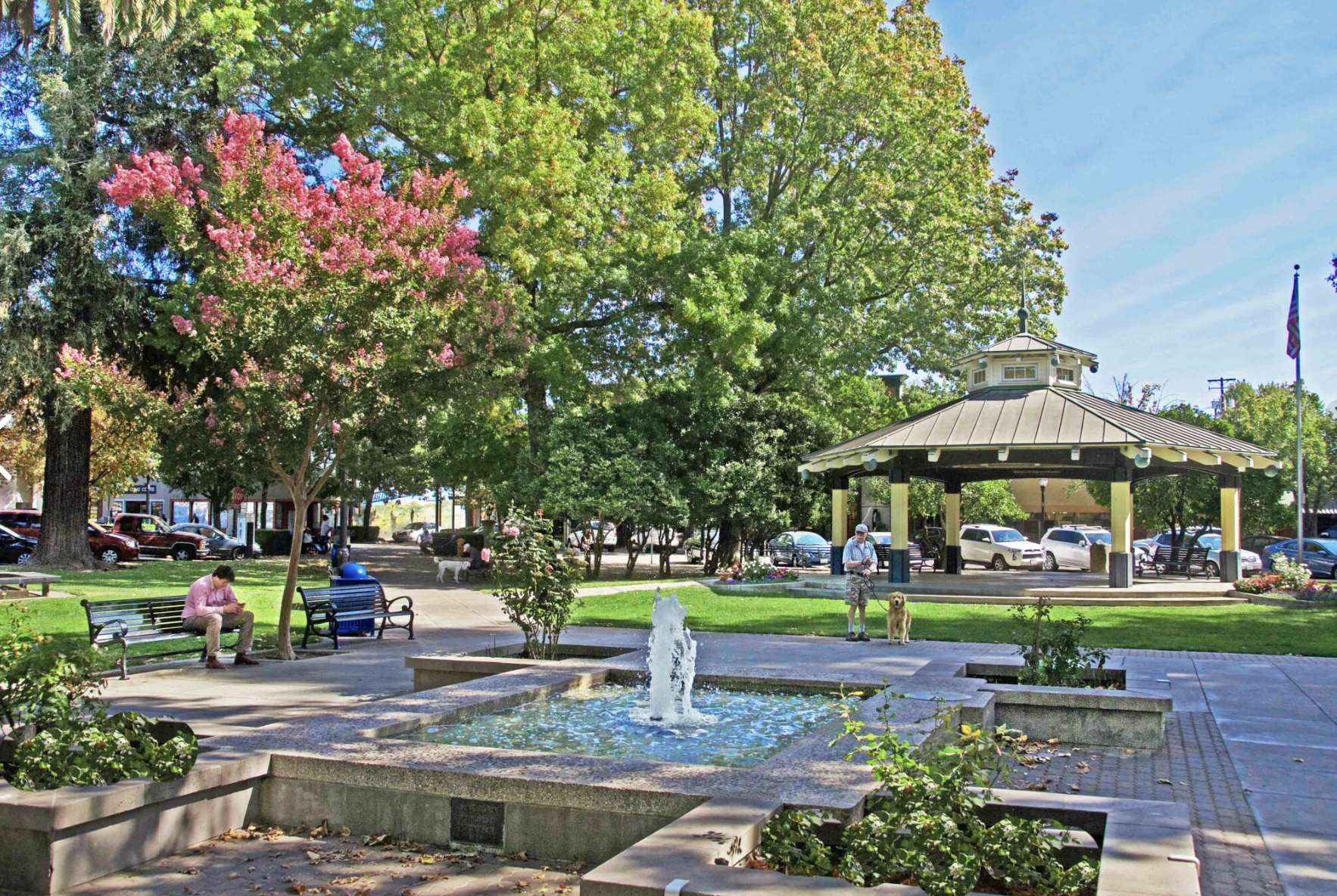
Today, Healdsburg stands toe-to-toe with any culinary destination in America. The numbers tell part of the story. In 2011, the average home here sold for around $359,000. Today that figure has jumped to $1.58 million—an increase of more than 340%.
But what transformed Healdsburg wasn't just money flowing in. It was the arrival of truly exceptional establishments that elevated the entire community. In 2016, Single Thread opened its doors and quickly earned three Michelin stars—the highest possible rating and exceptionally rare outside major metropolitan areas. It was like a neon sign announcing that Healdsburg wasn't just playing in the big leagues but potentially rewriting the rulebook.
Then in 2021, the Montage resort opened on the north edge of town. This wasn't just another hotel. It was a declaration that Healdsburg had arrived as a luxury destination capable of competing with any resort town in the country.
What fascinates me about Healdsburg's real estate market is how it's taken a different trajectory from the rest of Sonoma County, especially at the high end. Looking at our most recent data from Q1 2025, while the county's luxury market has cooled with a 7% drop in sales, Healdsburg has experienced a remarkable 150% increase.
Let me give you a concrete example of this appreciation. There's a house on Tucker Street that sold for $820,000 back in 2013. That exact same property just sold again for $1.861 million—a 127% increase in just 12 years. For investors looking at wine country real estate, these kinds of returns demonstrate the wealth-building potential of well-chosen properties in premium locations.
The result is this interesting dynamic where Healdsburg has become more exclusive in terms of entry costs, but it's also gained worldwide recognition. The little town that used to be known mainly to wine enthusiasts now attracts travelers from every corner of the globe.
Windsor: Building a Family-Focused Community
Windsor tells a completely different story, and it's one that resonates with many families relocating from the Bay Area.
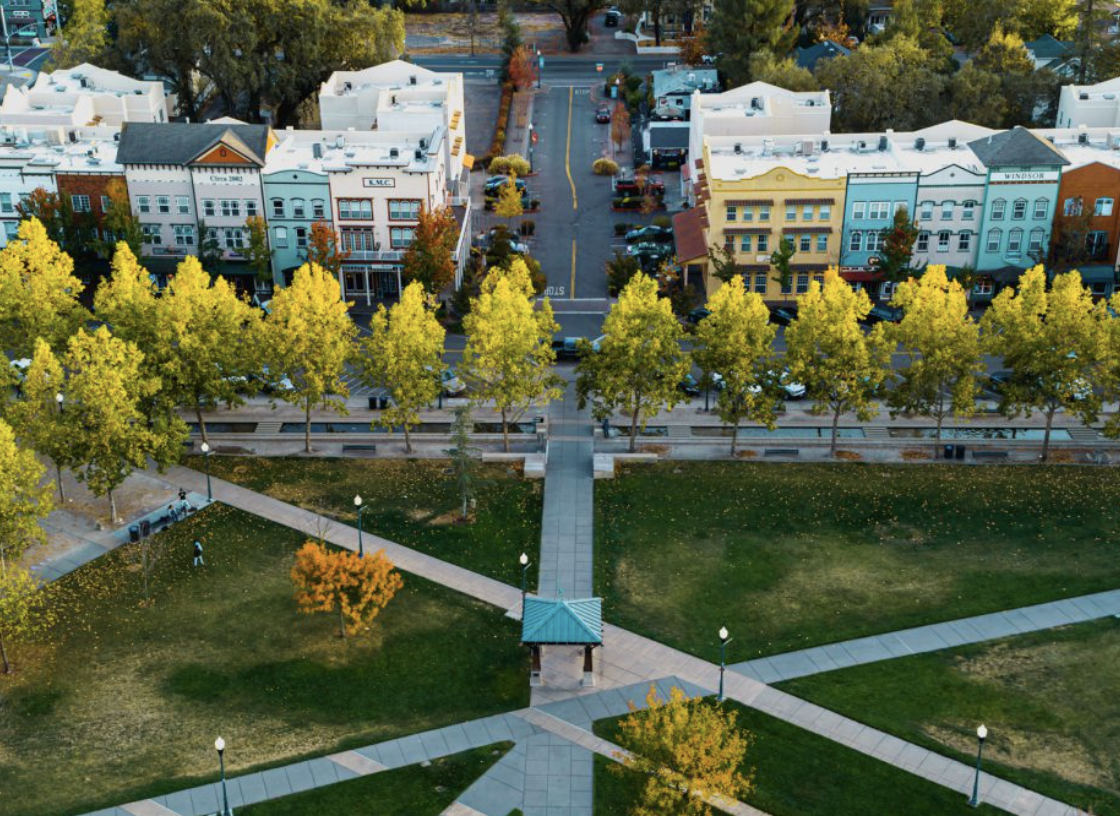
In the early 2000s, Windsor was essentially known as the more affordable alternative to Healdsburg or Santa Rosa. It was a place people moved for value rather than destination appeal. Fast forward to today, and Windsor has carved out a distinct identity centered on family-friendly living and genuine community connection.
The school system has literally doubled in size since the early 2000s, which tells you everything about both population growth and increased investment in education. For families with children, this kind of commitment to quality schools represents a major draw.
What makes Windsor's transformation particularly interesting is how the community built a vibrant town center essentially from scratch. The Town Green has become Windsor's communal living room, hosting Thursday night concerts, Sunday farmers markets, and Tuesday movie nights throughout the summer. These aren't just events—they're the building blocks of real community identity that many Bay Area transplants crave after years of more transactional suburban living.
The numbers show that families are taking notice. In 2011, the average Windsor home sold for $347,000. Today that figure has reached $828,000—a 139% increase. That's substantial appreciation, but it's considerably more accessible than Healdsburg, making Windsor particularly attractive for families who can't quite stretch to other parts of the county.
What's particularly noteworthy about Windsor is how it's created its own gravitational pull rather than simply serving as a bedroom community. When Oliver's Market—a beloved local grocery chain—opened there, it was a significant milestone. Suddenly, residents didn't need to drive to Santa Rosa or Healdsburg for quality shopping. I'll actually drive from Healdsburg to Windsor just to shop at Oliver's, and I'm not the only one. These kinds of amenities add up over time to create a place that stands on its own.
Here's a practical example of Windsor's steady appreciation: a house on Decanter Circle sold for $599,000 in 2014. That same property just sold for $929,000 in 2025—an 84% increase in 11 years. That represents strong wealth building while maintaining accessibility compared to nearby communities.
Santa Rosa: Rebuilding and Reinvention
Santa Rosa has always been the largest city in the county and our commercial hub. But the Santa Rosa of 2025 looks dramatically different from the city of the early 2000s, shaped by both intentional growth and by how the community responded to tragedy.
The numbers tell a compelling story. In 2011, the average Santa Rosa home sold for $323,000. Today that figure has reached $749,000—a remarkable 166% increase that actually outpaces the county average. This demonstrates how Santa Rosa has evolved from simply being a regional center to becoming a destination in its own right.
One of the biggest transformations came with the expansion of Charles M. Schulz–Sonoma County Airport. The commercial expansion in 2015 completely changed Santa Rosa's connectivity to the rest of California and beyond. What used to be a tiny regional airport now offers direct flights to major cities throughout the western United States. This might seem like a small detail, but for both tourism and for professionals who need to travel regularly, it's been transformative.
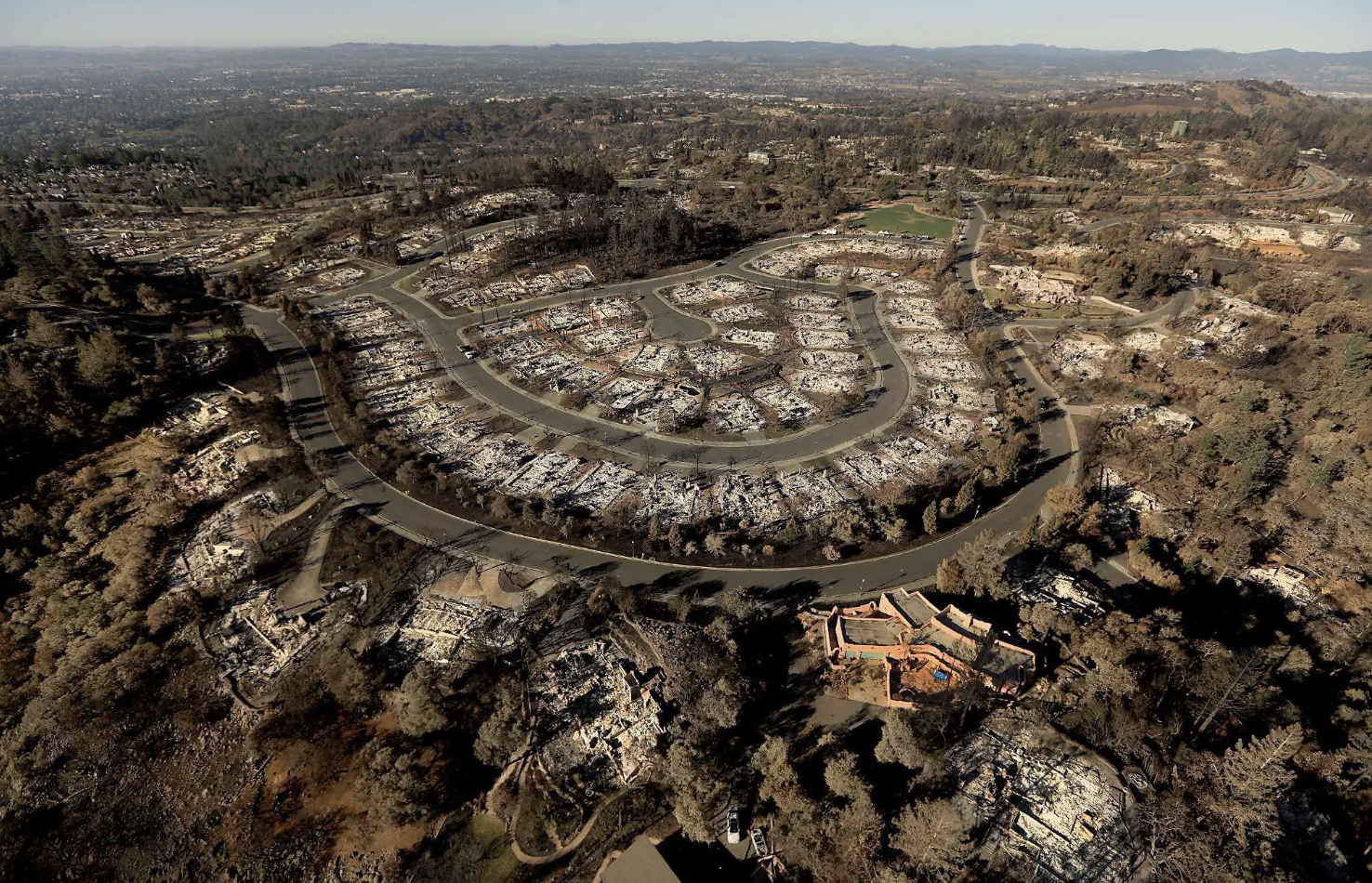
That being said, you can't discuss Santa Rosa's transformation without addressing the devastating Tubbs Fire of 2017. This tragedy wiped out over 5,600 structures, including entire neighborhoods like Fountaingrove and sections of Coffey Park. While the human cost was immeasurable, it also created an opportunity for thoughtful rebuilding.
Areas like Fountaingrove look completely different now. The homes rebuilt after the fire generally feature modern architecture, fire-resistant materials, and contemporary floor plans that are worlds apart from what existed before. This forced renewal has, in many ways, accelerated Santa Rosa's evolution into a more modern city.
What strikes me about Santa Rosa today is how different neighborhoods have developed distinct personalities. Railroad Square has transformed into a vibrant, walkable district with excellent restaurants and shopping. Fountaingrove has emerged even more upscale than before the fire. New developments on the city's edges have expanded housing options for a growing population seeking more space and better value than what's available in smaller wine country towns.
For a concrete example of Santa Rosa's resilience, consider a home in the Riebli area that sold for $505,000 in 2014. After being completely rebuilt following the fire, it recently sold for $900,000 in 2025—a 78% increase. This property's journey encapsulates both the challenge and opportunity that emerged from tragedy.
Current Market Dynamics: What's Happening Now
Understanding the past is valuable, but if you're considering buying or selling in Sonoma County, you need to know what's happening in the market right now. The latest data from Q1 2025 reveals some fascinating patterns that provide important context for decision-making.
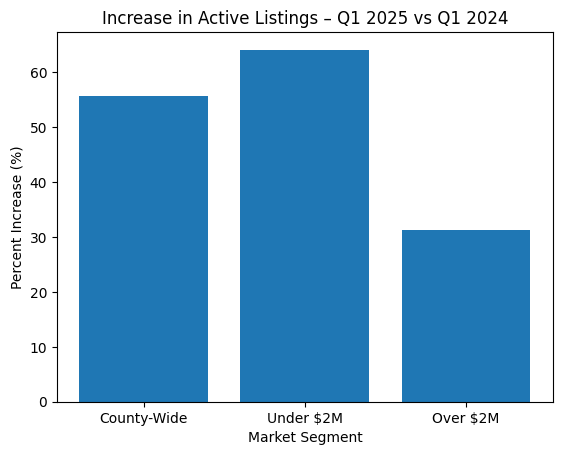
The headline story of early 2025 has been the explosive growth in available inventory. County-wide, listings have surged 55.7% compared to the same period last year, jumping from 490 to 764 average listings. This represents the biggest shift in local housing supply we've seen in years, and it's creating different experiences for buyers depending on their price range.
Here's where it gets interesting. Properties under $2 million have seen a 64.1% increase in listings, while properties over $2 million have increased by only 31.2%. Depending on your budget, you're essentially operating in different markets with different dynamics.
What's particularly relevant for buyers is how these inventory changes translate into what real estate professionals call "absorption rates"—basically, the percentage of available homes that sell in a given period. Even with inventory levels shooting up, prices are holding relatively steady at the lower end of the market. Meanwhile, the luxury market above $2 million is definitely favoring buyers, with absorption rates well under 10%. This means there's genuine room for negotiation at the high end.
There's one more trend that challenges conventional wisdom about real estate strategy. Many buyers assume that waiting for a price reduction is smart—that they'll face less competition and secure a better deal. The data tells a completely different story.
Houses with price reductions take an average of 145 days to sell, compared to just 42 days for homes priced correctly from the start. Here's the kicker: in Q1 of this year, price-reduced properties still generated multiple offers 25.7% of the time—the same rate as properties without reductions. So if you're sitting on the sidelines waiting for price cuts, you're just as likely to end up in a bidding war, but only after waiting around for months.
The Healdsburg Exception
Healdsburg's market often operates by its own rules, and current data reveals something truly unusual that defies conventional market wisdom.
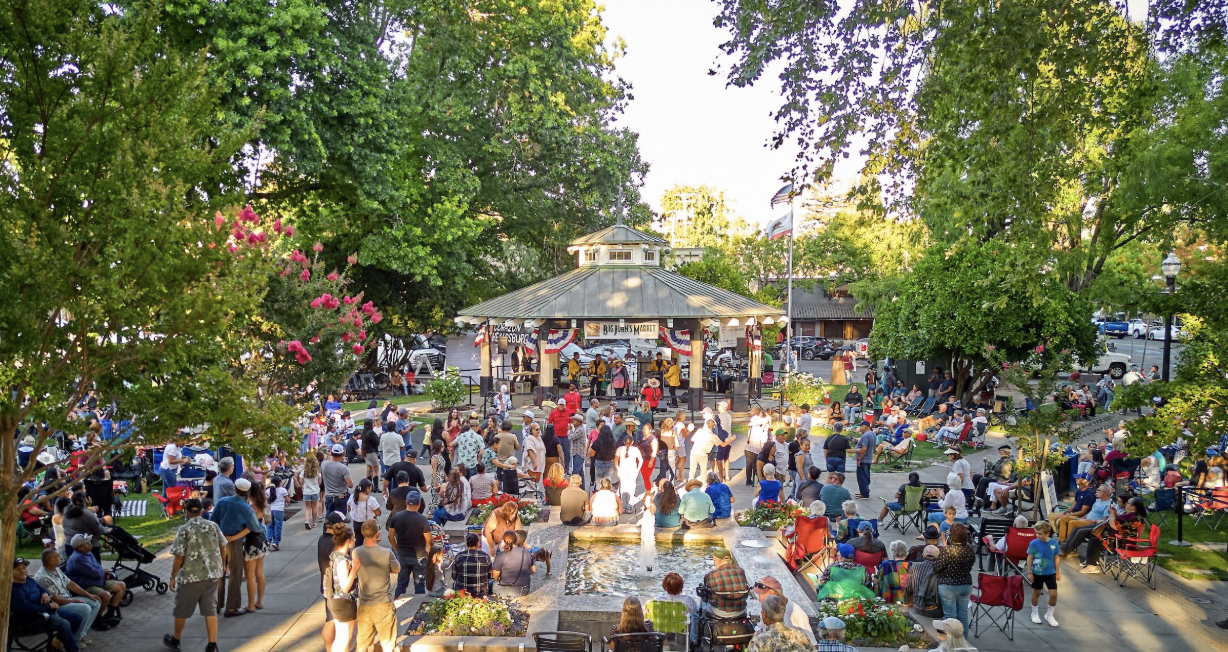
While most of Sonoma County has seen cooling at the luxury level, Healdsburg's high-end market has remained remarkably robust. This divergence highlights Healdsburg's unique position, with market dynamics that operate almost independently from broader county trends.
What's driving this anomaly? I think it comes down to Healdsburg's rare combination of agricultural authenticity and sophisticated amenities. In a post-pandemic world where remote work remains common, luxury buyers want places with natural beauty, culture, and community—but they don't want to sacrifice excellent restaurants, shopping, and services.
Healdsburg delivers this balance better than almost anywhere else in Northern California. It's close enough to San Francisco for day trips—just 70 miles—but far enough to feel like you've genuinely escaped. For investors evaluating wine country real estate, this resilience in a cooling market provides important information about long-term value retention.
Looking Ahead: What's Next for Sonoma County Real Estate
Predicting the future is always challenging, but several clear trends will likely shape Sonoma County's next chapter.
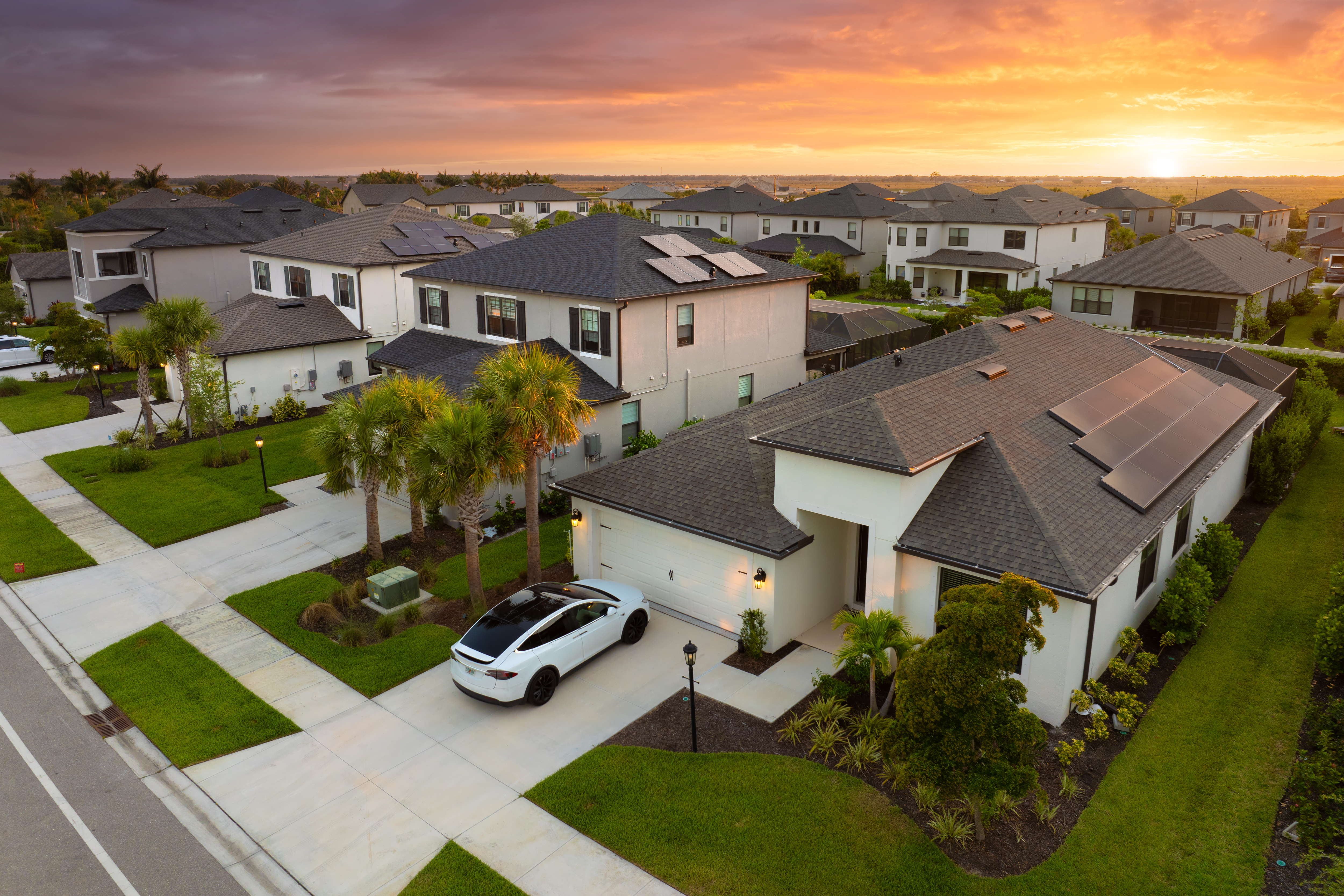
First, the split between market segments will probably continue. The under-$2 million market will remain relatively strong as families and professionals seek alternatives to Bay Area pricing, while the luxury market becomes increasingly selective. Buyers at the high end have more options than ever, and they're looking for properties that truly deliver on the wine country lifestyle promise—not just location, but genuine quality and character.
Second, we'll see ongoing redevelopment, especially in areas affected by fires. This isn't simply about rebuilding what was lost but about reimagining what these communities can become with modern infrastructure, fire-resistant construction, and forward-thinking design. For buyers concerned about climate resilience, newer construction in rebuilt areas often offers superior protection compared to older homes.
Third, transportation infrastructure will play an increasingly important role in determining which communities thrive. The continued expansion of Sonoma County Airport, improvements to Highway 101, and potential SMART train extensions will reshape how people navigate the region and maintain connections to the Bay Area. For remote workers who need occasional office access, these connectivity improvements make wine country living more practical.
Fourth, climate considerations are moving from background concerns to primary decision factors. Water access, fire risk mitigation, and sustainability features already influence buyer decisions, and this will only accelerate. Properties with wells, fire-resistant landscaping, and solar power are commanding premiums, and that trend will continue.
Finally, new "hot spots" will likely emerge as buyers discover communities offering strong value compared to places like Healdsburg. Areas like Occidental, Graton, and Sebastopol are attracting more attention, and this pattern will probably continue as buyers seek authentic wine country character at more accessible price points.
Beyond the Numbers: The Human Element
Before wrapping up, I want to acknowledge something important that often gets lost in market analysis and appreciation percentages. Behind all these statistics and trends are real people making significant life decisions.
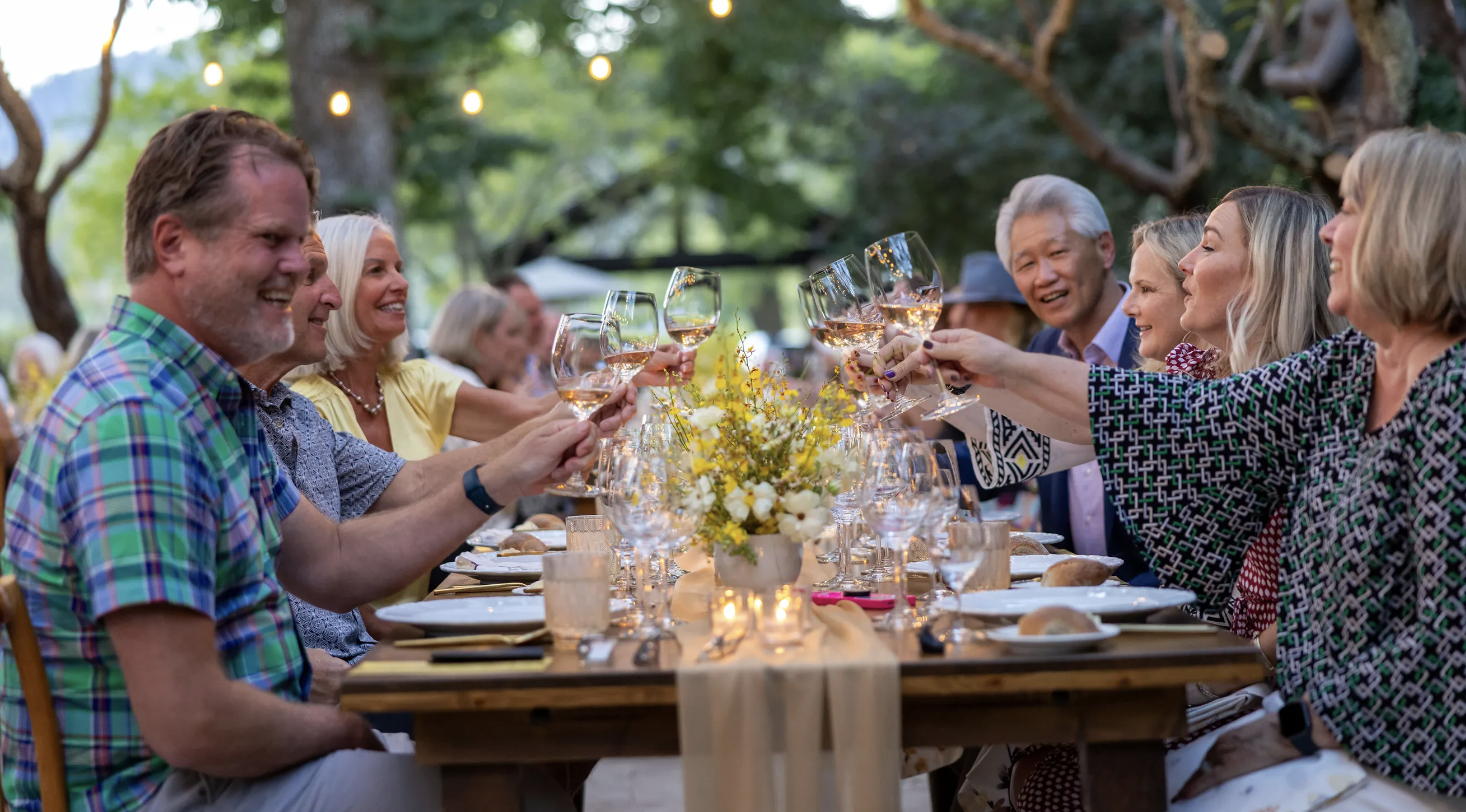
The family purchasing their first home in Windsor. The couple retiring to a vineyard property in Healdsburg. The fire survivor rebuilding in Santa Rosa. These are the human stories that truly define Sonoma County real estate, and they're why I'm passionate about this work.
In my years working in this market, I've had the privilege of helping hundreds of families through these transitions. What consistently strikes me is how deeply personal these decisions are. Beyond investment considerations and market trends, people choose Sonoma County because something about this place speaks to them on a fundamental level.
Maybe it's the way morning fog hangs over vineyards in summer, creating that distinctive microclimate that makes our wines special. Maybe it's the farmers markets overflowing with locally grown produce and the genuine connection to agriculture that still defines much of the region. Maybe it's the sense of community that persists despite all the changes we've discussed—neighbors who actually know each other, local businesses that remember your order, towns where you can still run into friends at the grocery store.
Whatever that connection is, it remains constant in a market that never stops evolving. For many of my clients, particularly those relocating from the Bay Area after years of more transactional suburban living, rediscovering that sense of place and community represents as much of the value proposition as any appreciation in home prices.
Making Sense of It All
Sonoma County's transformation over the past 20 years has been nothing short of remarkable. From Healdsburg's evolution into an international culinary destination, to Windsor creating an authentic family-focused identity, to Santa Rosa literally rebuilding itself into something new and vital—each community has written its own chapter in this ongoing story.
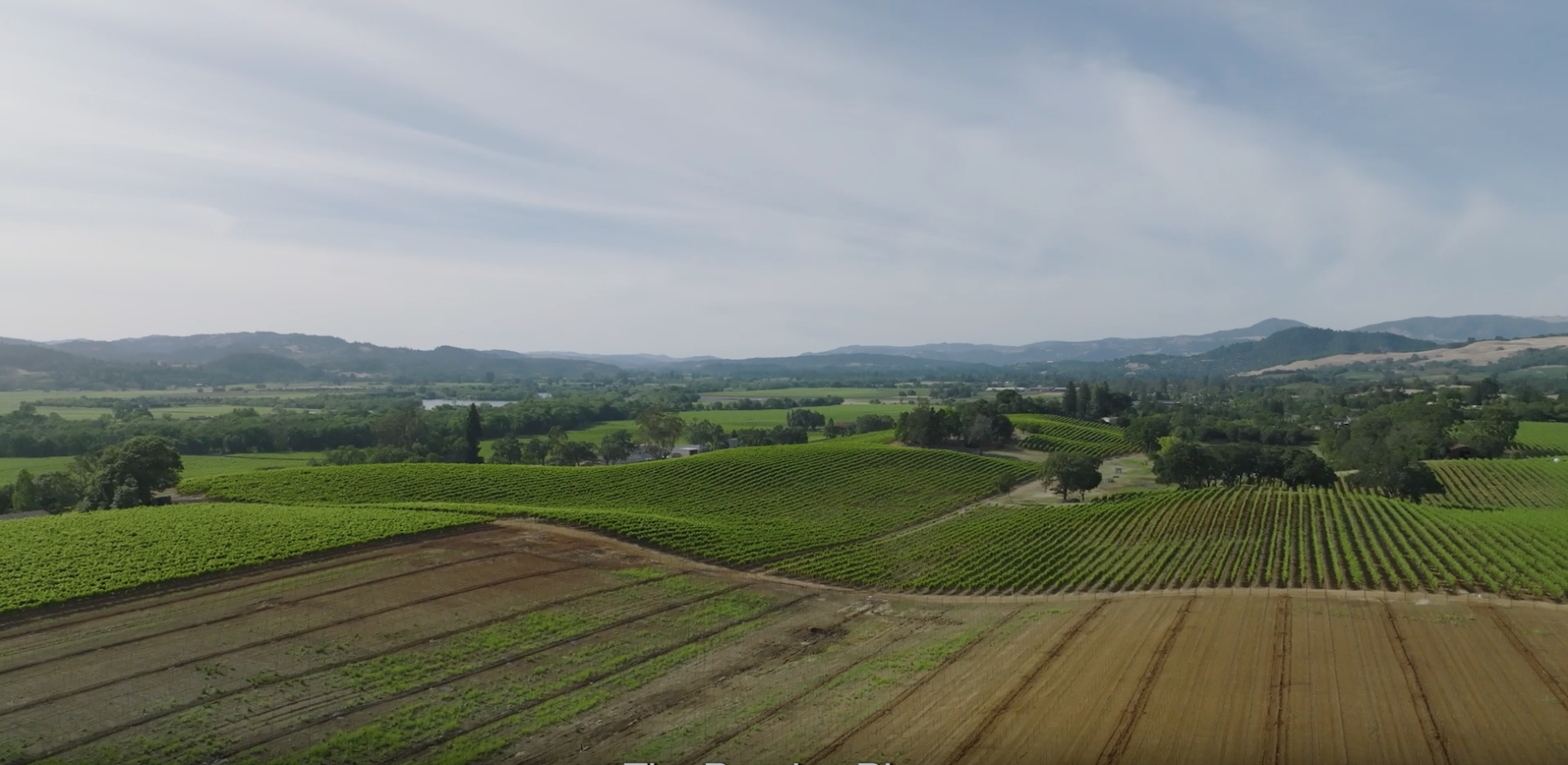
For anyone considering wine country real estate, understanding these patterns provides crucial context. The 162% countywide appreciation isn't just a number—it represents fundamental changes in how people value lifestyle, community, and connection to place in a post-pandemic world where flexibility and quality of life have become paramount.
Whether you're looking to relocate your family, invest in a vacation rental property, or secure your own slice of wine country for retirement, Sonoma County offers compelling opportunities across multiple price points and community types. The key is understanding which community aligns with your specific lifestyle priorities and investment goals.
Current market dynamics—with increased inventory at most price points and a clear split between segments—create genuine opportunities for informed buyers. But timing and strategy matter. Working with someone who understands these hyper-local nuances can make the difference between finding the right property and settling for something that doesn't quite fit.
I'd welcome the opportunity to discuss how these trends apply to your specific situation. Whether you're ready to start looking actively or simply exploring possibilities, reaching out at hello@modernlivingsonoma.com starts a conversation without pressure. I'll respond with thoughtful insights tailored to where you are in the process and what you're hoping to accomplish.
Sonoma County's next chapter is still being written, and for buyers who understand the landscape and act strategically, the opportunities to build wealth while improving lifestyle remain compelling. The question isn't whether wine country real estate represents a sound investment—the 20-year track record speaks for itself. The question is which community, price point, and property type align with your goals and values. That's where local expertise and genuine understanding of these distinct communities makes all the difference.