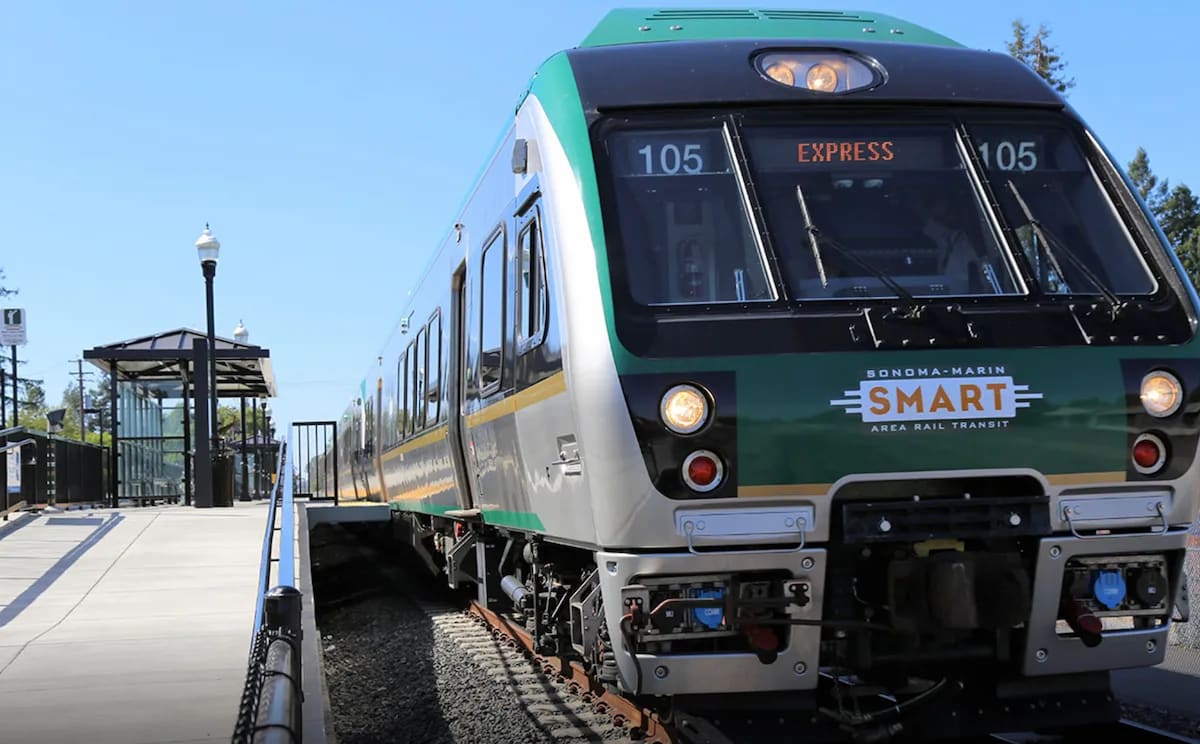
The $269 million SMART train extension from Windsor to Healdsburg is now underway, with passenger service expected in late 2028. This 9-mile project represents one of the most significant infrastructure investments Sonoma County has seen in decades, and it's already reshaping how we think about Healdsburg's future as both a lifestyle destination and an investment opportunity.
What's being built
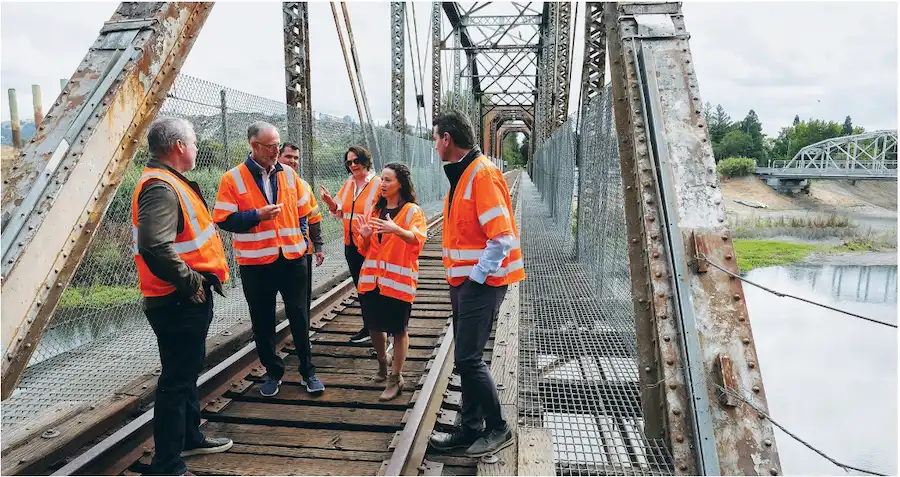
The scope of this project is substantial. SMART is constructing seven to eight new bridges, including a striking new span across the Russian River just south of Healdsburg. There's a new downtown station that will anchor connectivity, plus a multiuse pedestrian and cycling pathway running alongside the tracks -- something that will fundamentally change how residents and visitors move through the area. Modern signaling and safety systems are being installed throughout, with geotechnical boring beginning March 30 as construction ramps up.
For those of us living and working here, these aren't abstract engineering details. They're the bones of how Healdsburg will function over the next two decades.
San Francisco in 90 minutes (without touching 101)
Here's the detail that makes Bay Area buyers sit up: once the extension opens, you'll be able to get from downtown Healdsburg to downtown San Francisco without driving a single mile of freeway. The SMART train runs south to Larkspur, where a pedestrian bridge connects directly to the Golden Gate Ferry terminal. The ferry to the San Francisco Ferry Building takes 35 minutes. Total door-to-door from Healdsburg to SF will be roughly 90 minutes -- and you're reading, working, or watching the bay roll past the whole way.
SMART already times train arrivals and departures at Larkspur to connect with the ferry schedule, so transfers are seamless. For anyone who's spent two hours white-knuckling through Novato traffic on a Friday evening, this is a fundamentally different proposition.
A system that's already working
This isn't a speculative infrastructure play. SMART carried 1.33 million passengers in 2025 -- a 38% increase over the prior year and 140% of pre-pandemic ridership levels. That makes it the strongest recovery of any rail system in the Bay Area. The trains are being used, and usage is accelerating.
If you're considering moving to Healdsburg or buying a second home here, this changes the commute calculation entirely. Remote work helped, but for anyone who needs to be in San Francisco occasionally, the logistics have been exhausting. A direct train with a ferry connection to the city solves that.
More than a commuter train
What makes SMART unusual among Bay Area transit is that it's just as much a lifestyle asset as a commuting tool. Two things stand out.
First, cycling. Every SMART train carries up to 24 bikes, and every station has secure bike storage. The SMART pathway -- currently over 29 miles of dedicated Class I bike path running alongside the tracks -- is part of the larger Great Redwood Trail, a 307-mile route that will eventually connect San Francisco Bay to Humboldt Bay. For serious cyclists, this means you can ride one direction and take the train home. For casual riders, it opens up beautiful stretches between towns without ever sharing the road with a car.
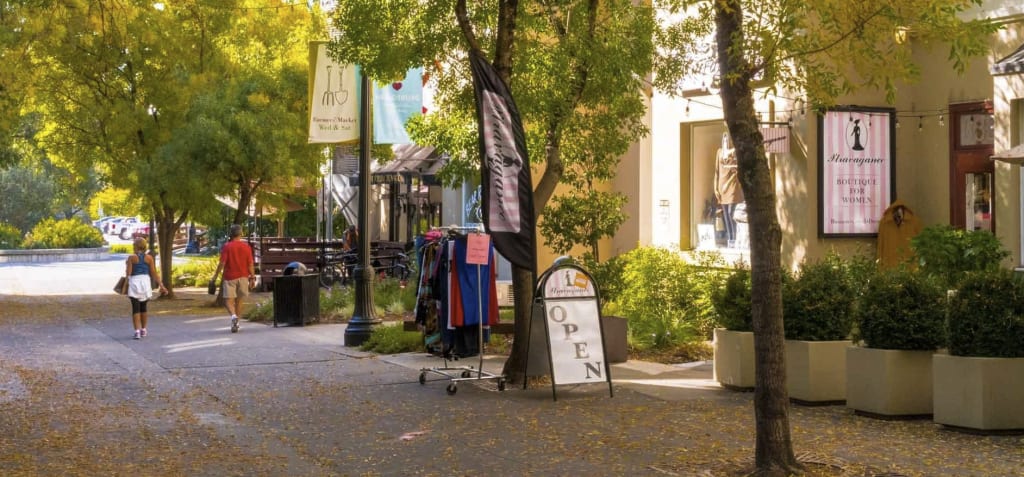
Second, dinner. Seriously. Several SMART stations put you steps from great food and drink. Petaluma's downtown is a 10-minute walk from the station. Windsor drops you at the Town Green surrounded by restaurants. Larkspur connects to Marin Country Mart with Hog Island Oyster Co. and Farmshop. When the Healdsburg station opens, the entire corridor becomes a driveway-free evening out -- take the train down for dinner in Petaluma, ride home without thinking about a designated driver.
The real estate implications
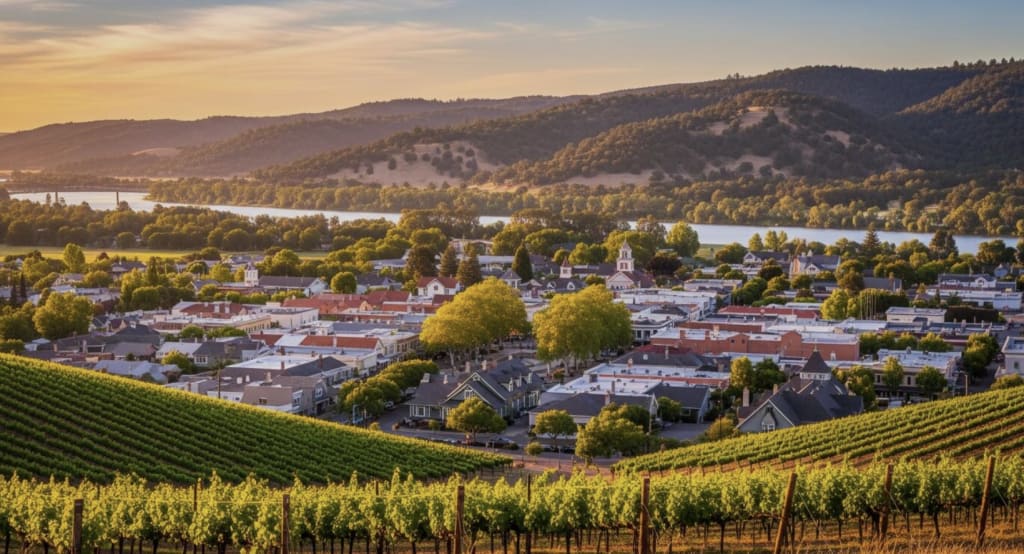
Here's what gets my attention as a real estate professional: Healdsburg has long attracted second-home buyers from the Bay Area. They come for the wine, the restaurants, the lifestyle. This train infrastructure is the catalyst that converts some of them into primary-home buyers.
Think about it from a buyer's perspective. If you're evaluating Healdsburg as a second home destination, this isn't a minor amenity. It's a material change to the investment case. You're no longer choosing between Wine Country living and Bay Area connectivity -- you're getting both. And this repricing doesn't wait for 2028. It starts now, as soon as serious buyers realize what's coming.
For sellers, this is equally significant. Properties in Healdsburg and the immediate corridor are going to become more valuable as this reality settles in. If you've been thinking about selling, timing matters. The market is already adjusting to this news.
What this means for your real estate decisions
Properties near the downtown station or along the cycling corridor will likely appreciate faster than those further out. Walkability and proximity to the station are becoming tangible assets, not just nice-to-haves.
If you're evaluating the best cities in Sonoma County for investment, Healdsburg just moved higher on the list, particularly for buyers prioritizing both quality of life and future appreciation.
This train isn't arriving until late 2028, but the real estate market doesn't wait. It's pricing this in now.
Ready to buy or sell in Healdsburg? David Hargreaves and Jonathan Bruington at BruingtonHargreaves have completed over 70 transactions and $85M in sales across Sonoma County. Book a free consultation