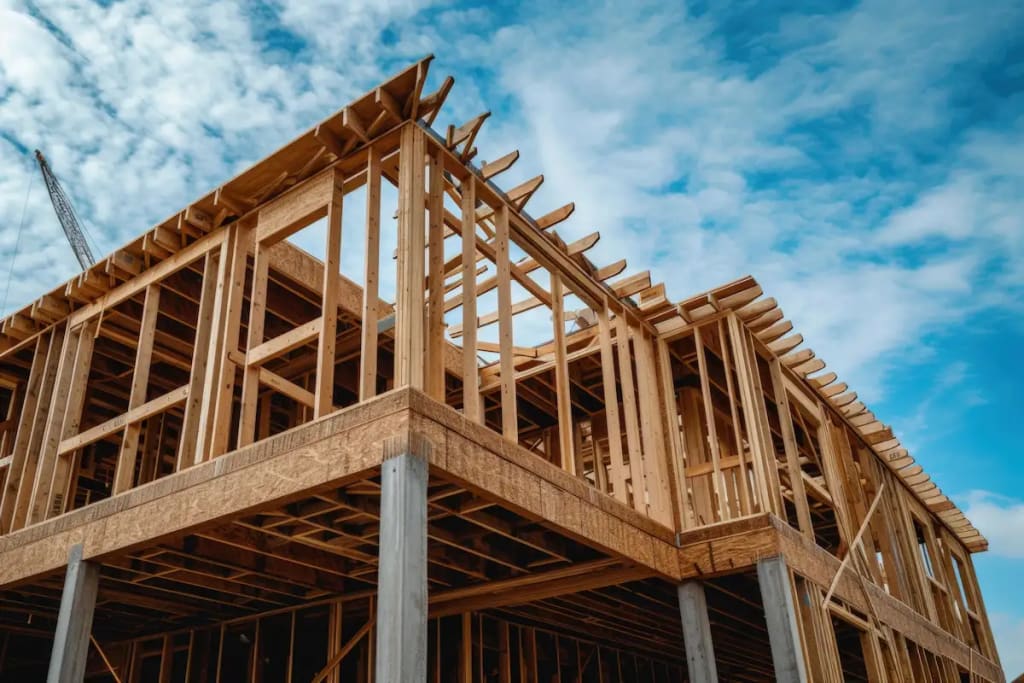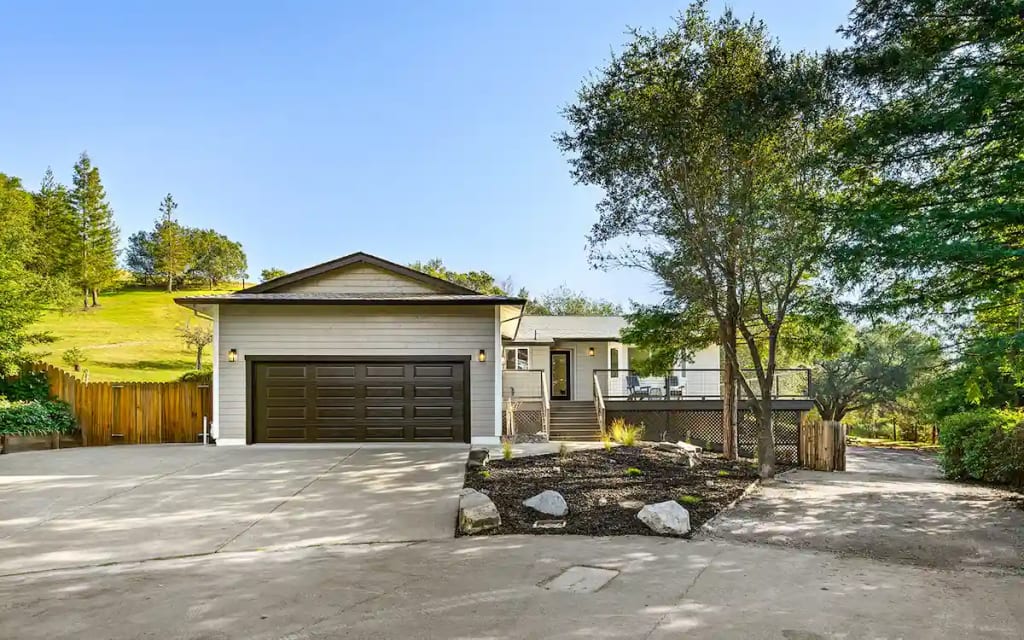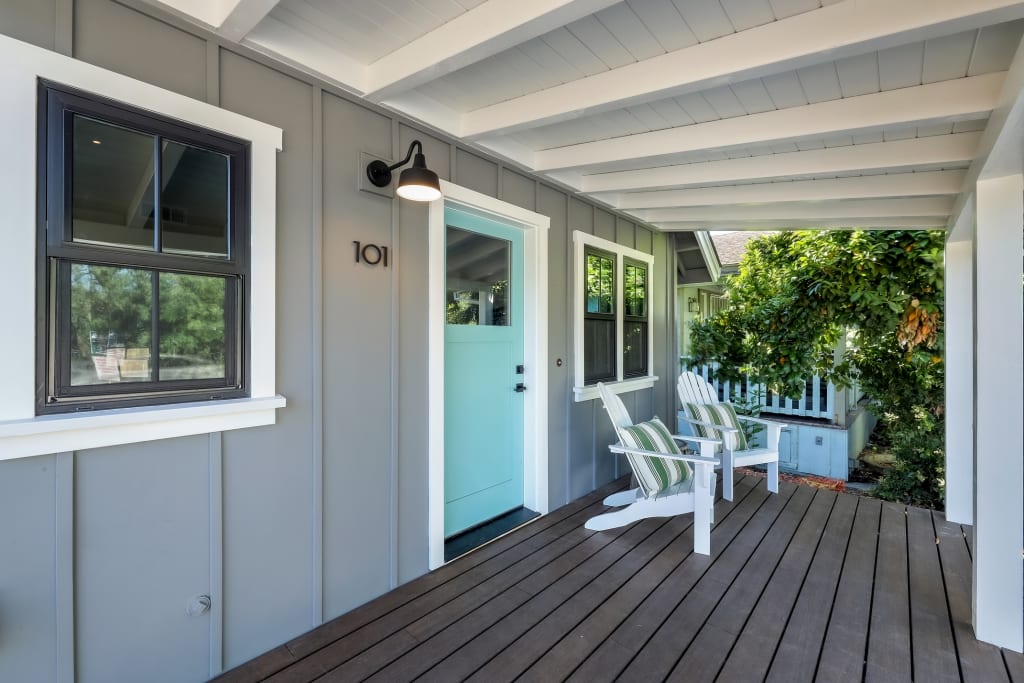
Is building an ADU a good investment? With the demand for properties with ADUs on the increase among buyers and with no shortage of tenants looking for cheaper rental alternatives, investing in ADU is a great investment.

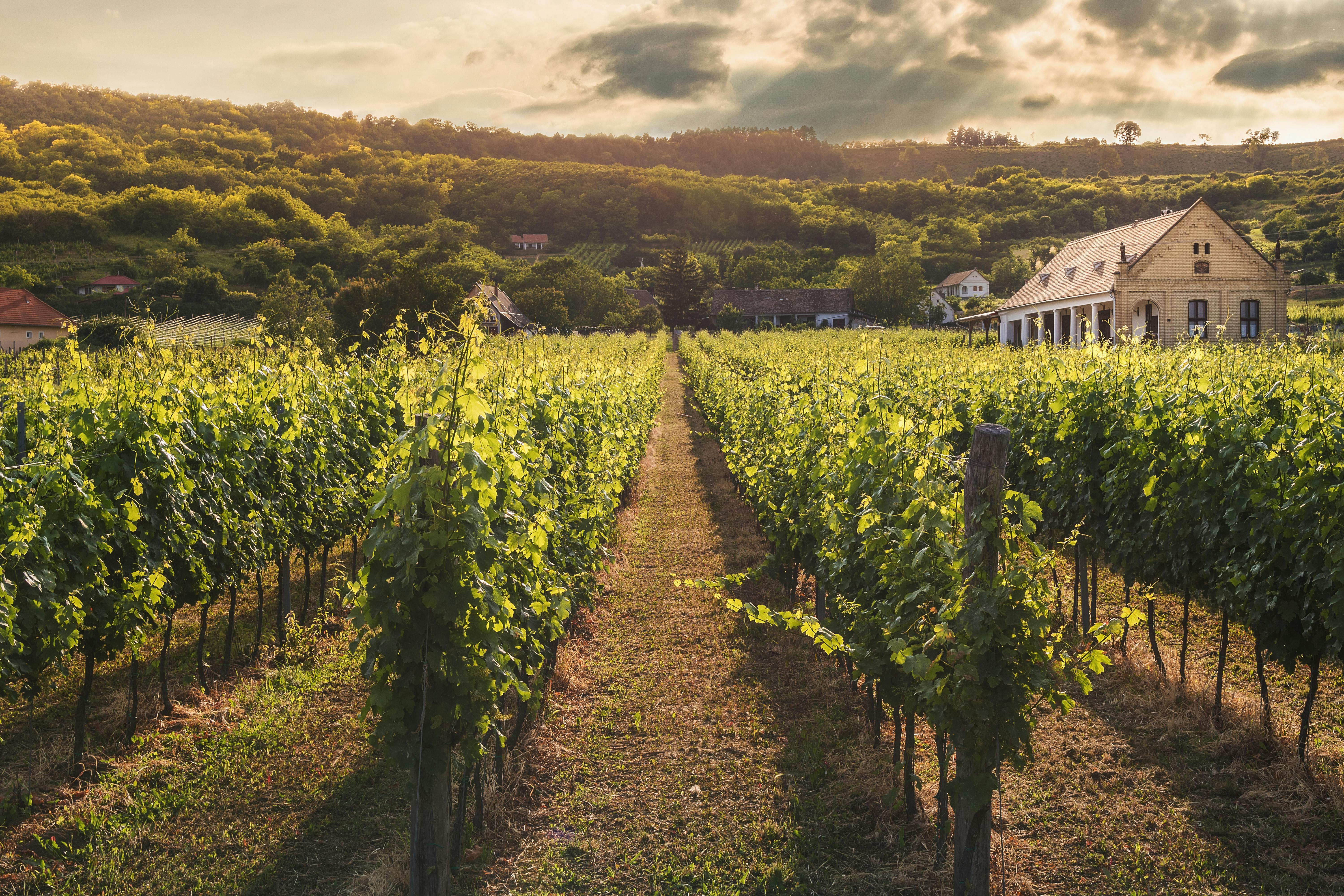
I've lived in Sonoma County for years, and even I was shocked when I recently sat down to crunch the actual numbers of what it costs to live here. Most people focus exclusively on home prices when they think about cost of living, but that's just the tip of the iceberg. There's a whole category of expenses here that nobody warns you about, costs that can literally double your monthly budget if you're not prepared.
From insurance nightmares to what I call the "wine country markup" on everyday items, I'm about to show you the real price tag of paradise. And don't worry, I'll also share where you can still find homes under a million dollars, if you know where to look and are willing to be flexible about location.
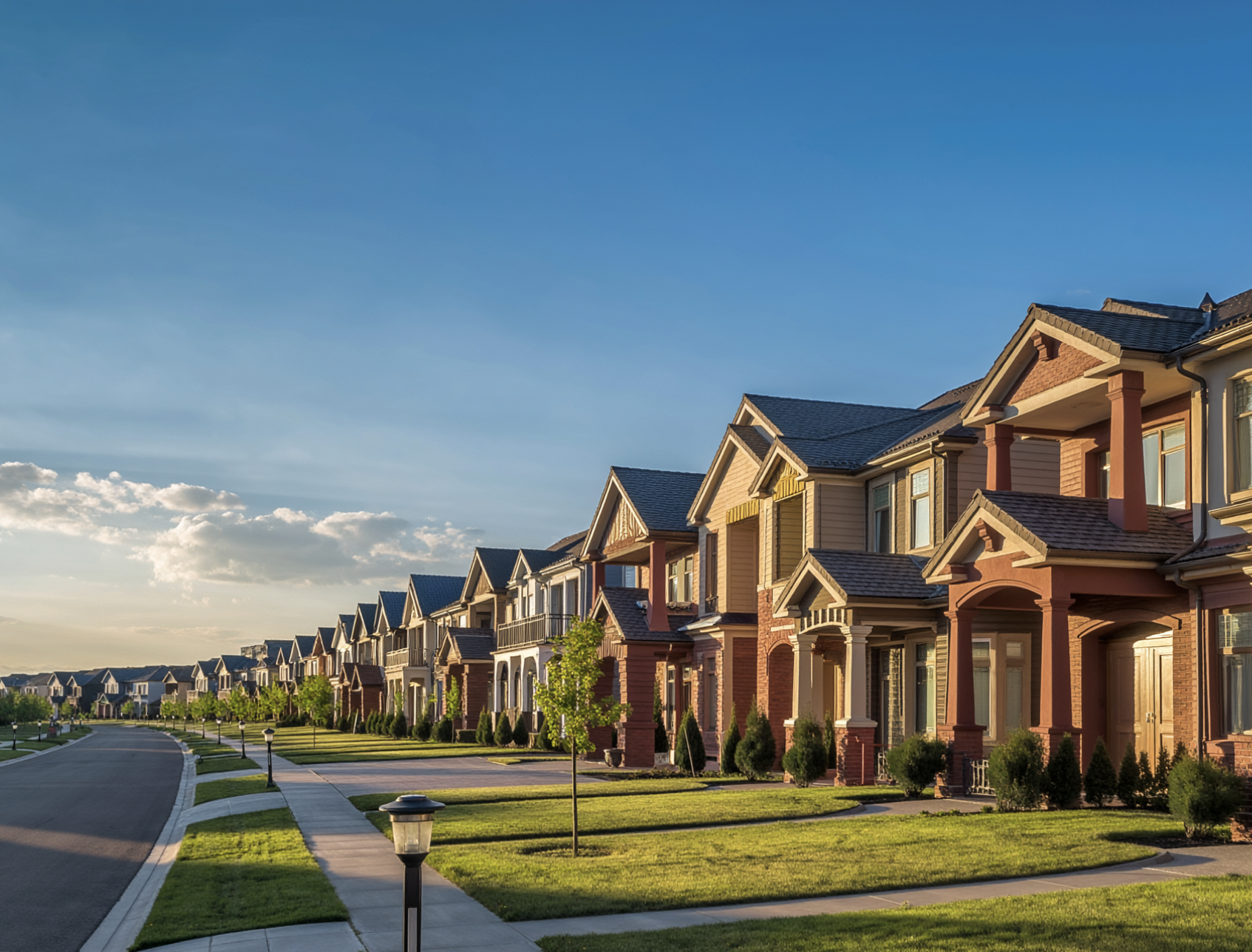
Let's start by diving into the biggest chunk of your budget, which is housing. And I've got some good news if you're willing to be strategic about where you plant your roots.
Up in Guerneville and the Russian River area, you can still find solid three-bedroom homes starting around $650,000 to $750,000. Now look, these aren't your fancy vineyard estates with Healdsburg addresses, but they're good homes in neighborhoods with real character and a strong sense of community. West Santa Rosa tells a similar story, with family homes running $800,000 to $900,000. And if you want to be close to Sonoma Valley without paying those premium Sonoma prices, check out Boyes Hot Springs. You're looking at $750,000 to $850,000, and you're right there with easy access to all the wineries and restaurants that make the valley so special.
The mid-range markets are where things get interesting. Santa Rosa proper has become a sweet spot for families. Three to four bedrooms, averaging $950,000 to $1.2 million, and you're getting established neighborhoods, great schools, everything you need right there. Windsor's running similar prices, but that downtown area is really coming alive with new restaurants and shops. Sebastopol has that quirky artistic vibe everyone loves, plus an incredibly strong local food scene, so you're paying a bit more at around $1.1 to $1.4 million on average.
When we get to the premium areas, the numbers definitely shift. Want to be walking distance to downtown Healdsburg? That starts at $1.5 million and easily hits $3 to $4 million for something special. The Sonoma Plaza area with all that historic charm? You're not finding anything decent under $1.5 million. What's interesting though is that, unlike some of those insurance challenges I'll get to in a bit, these location premiums often come with lifestyle benefits that make them worth every penny for the right buyer. There's something to be said for being able to walk to world-class restaurants and tasting rooms.
That being said, the purchase price is just where your journey begins. Let's talk about HOA fees, because this is where it gets really interesting.
HOA fees in Sonoma County are all over the map, and not in the way you'd expect. Let me start with the good news. Those 55-plus communities like Oakmont in Santa Rosa have incredible value. We're talking under $400 per quarter, which is about $133 a month, and you're getting golf courses, pools, fitness centers, activities galore. You'll find a similar situation in The Windsor and Healdsburg senior communities. Same deal, same great value. For what you get, these are fantastic and represent some of the best quality-of-life value in the county.
But then you've got Windsor Town Green condos charging $800 per month. For what? No pool. No gym. No fancy landscaping. Just basic maintenance. Eight hundred bucks! I scratch my head every time I see it, and it's no great surprise that there are over 10 of these condos for sale at any given time. The biggest single reason people cite for selling? Those HOA fees. That being said, there are changes afoot to get these back in line with market expectations. Most wine country developments run a more reasonable $400 to $600 monthly, which makes sense for what they provide.
And then there's the luxury side. Montage Healdsburg will run you over $30,000 per year. That's $2,500 every single month. Now sure, you're getting world-class everything, resort-style amenities, and you're basically living in a five-star hotel, but that's a mortgage payment for a lot of folks.
Here's my take after helping hundreds of families navigate these decisions: It's not about the absolute dollar amount. It's about the value you're receiving. Some of my clients are in those affordable 55-plus communities and they feel like they won the lottery because they're getting so much for their money. Others who pay less in actual dollars feel nickel-and-dimed because they're not getting much value for what they're spending.
Speaking of unexpected costs, let's look at what contractors are charging these days for remodeling. It's become quite the adventure in wine country.
So you found that charming 1960s ranch with good bones, and you're thinking, "We'll just update the kitchen and we're golden." You need to listen closely to what I'm about to tell you.
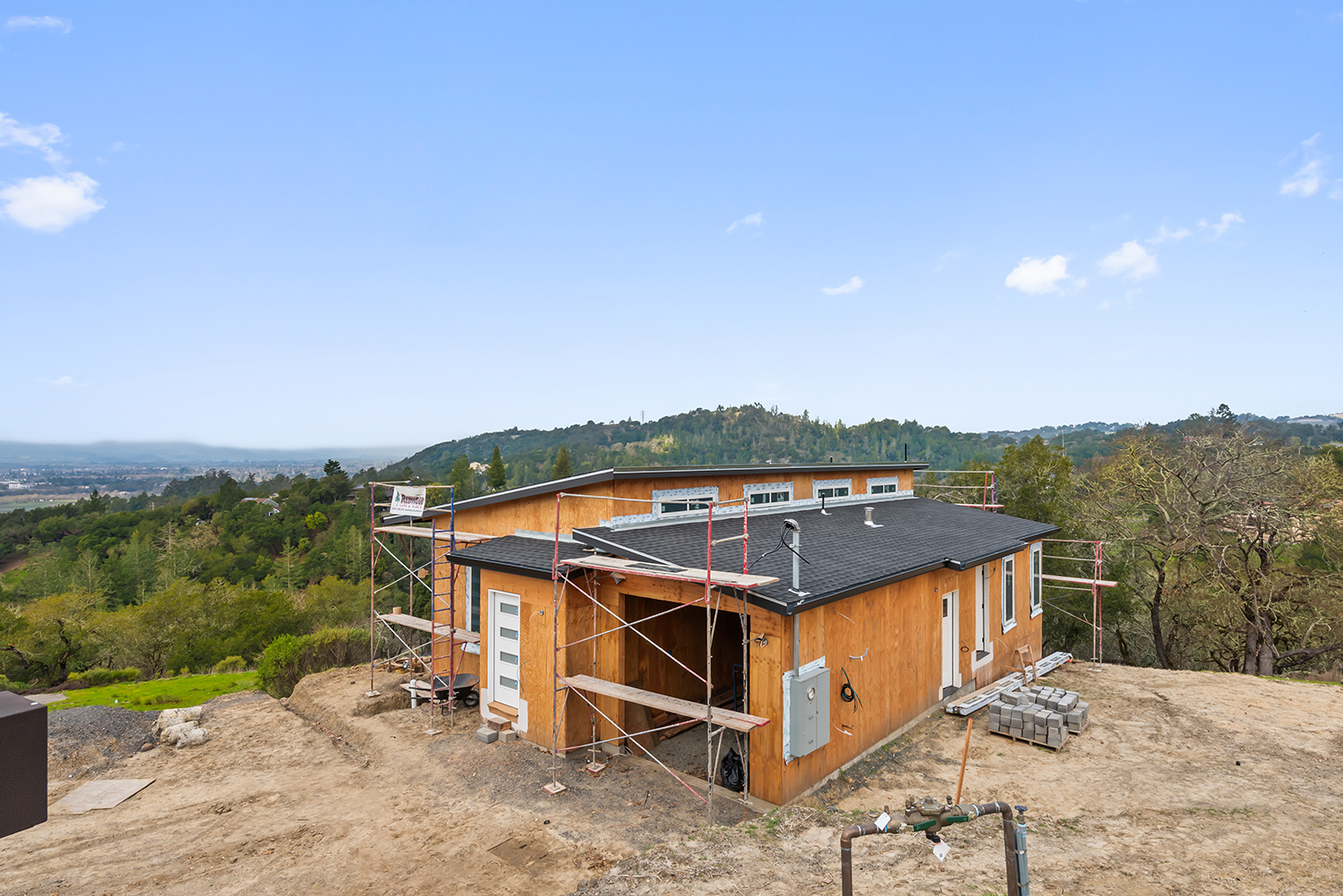
Kitchen remodels have gotten wild. A basic refresh, such as new countertops, backsplash, and keeping your existing cabinets, is $35,000 to $50,000. Want a full renovation with new everything including cabinets, appliances, and layout changes? The new normal is $75,000 to $150,000. And if you're going luxury with all the bells and whistles, custom cabinetry, high-end appliances, and designer fixtures? You're looking at $200,000 and up. I'm not making this up.
Throughout the house, it's the same story. Bathroom remodels run $15,000 to $40,000 per bathroom depending on finishes. Want a pool? If you can even find someone to build it, that's $80,000 to $150,000. ADUs are hot right now since everyone wants to have rental income to offset their mortgage, but you're looking at $150,000 to $300,000 depending on size and finishes.
And here's what really gets people: the wait times. Good contractors are booked solid for six to twelve months. I had one client joke that finding a contractor was harder than finding the house. They bought their home thinking they'd do a quick kitchen renovation and be done. A year later, they were still living in a construction zone and eating takeout every night.
You might be wondering, why is it so expensive? Well, skilled labor here commands top dollar, and they deserve it. Material costs have gone up everywhere, but there's also huge demand that keeps prices elevated. Nearly 10 years on from the first major fires, there are still fire rebuilds going on that maintain the strong demand for skilled trades, on top of all the remodels and new construction for people moving up here from the Bay Area or elsewhere. On top of that, everybody wants their work done during our perfect weather months, which creates this seasonal bottleneck. It's the wine country premium in action.
Now, let's talk about utilities, because whether you're in the city or out in the country makes a huge difference on your monthly bills.
The utility game in Sonoma County is like two different worlds depending on your address, and understanding this distinction can save you thousands of dollars annually.
City living has its perks, but cheap water isn't one of them anymore. After those 23% rate hikes we've seen recently, you're looking at $150 to $250 monthly for water alone. My advice? Go drought-resistant with your landscaping. Artificial grass can look great these days, and spending $10,000 to $20,000 upfront saves you money and headaches down the road. PG&E for gas runs $100 to $200 monthly, and electricity with those time-of-use rates hits $200 to $400. Everything's on the grid though, so there are no delivery hassles or tanks to worry about.
Here's something smart to consider: Going electric makes more and more sense in today's market. Get yourself a heat pump for heating and cooling, maybe an electric car if that works for your lifestyle, think about sustainability, and you're setting yourself up right for the future. Solar is $20,000 to $40,000 installed, but with federal tax incentives still available and rising electricity rates, you're looking at payback in five to seven years. After that, it's essentially free electricity.
Rural living is a completely different story. Well water is fantastic, and here's the best part: it's free! You're only paying $50 to $100 monthly to pump it up from your well. Propane on the other hand can get you if you're not careful. Figure in $1,500 to $2,500 yearly for moderate use. The good news is that most companies do remote monitoring now. They fill you up when they're in the neighborhood, so it works almost like regular gas, just without the pipes running to your house.
Don't forget septic pumping, which is $500 to $800 every three to five years. It's not huge, but it's one of those things city folks never think about until they get that first bill and realize it's part of their new maintenance routine.
There are a few other expenses that can catch you off guard when you're budgeting for wine country living. Property taxes here run about 1.25% of what you paid for the house. So that million-dollar home is about $12,500 a year, or roughly $1,042 every month. The recent tax changes give you a bit more of a break than in years past, but you still need to factor this into your monthly budget. And watch out for those extra assessments, always check the complete tax bill before you make an offer because some neighborhoods have additional fees for things like road maintenance or community services.

Now, insurance is where it's gotten quite complicated, and this is a topic that deserves your full attention. California insurance rates jumped 21% in 2024, and more increases are coming in 2025 as companies adjust to the new regulatory environment. But here's the silver lining that many people don't realize: Since regulators let companies raise rates to better reflect actual risk, it should actually get easier to find coverage, even in higher-risk areas. Companies that had stopped writing new policies are starting to come back to the market.
If you're buying a home to live in and you're in city limits, you should be fine getting regular insurance from a standard carrier like AAA, Liberty Mutual, Mercury, or American Family. Figure $2,000 to $5,000 a year for solid coverage depending on your home's value and features. Investment properties? That's trickier. You'll probably end up on the FAIR Plan, which only covers fire damage. Same deal if you're rural, FAIR Plan coverage at $3,000 to $6,000 yearly is probably your starting point.
Here's the thing about the FAIR Plan though: you need extra coverage for everything that isn't fire, including personal possessions, non-fire damage like water leaks or wind damage, and liability protection. That's another $1,000 to $2,000 yearly through what's called a DIC policy. So yeah, it's more than standard coverage, just like those wine memberships I'll talk about in a bit that can sneak up to $10,000 annually. The key is to budget for the whole package, not just the fire coverage.
I've walked plenty of clients through this insurance maze over the years. The ones who plan ahead and budget appropriately are fine. It's the folks who assume it'll be simple and cheap like it was in their previous location who get sticker shock and find themselves scrambling at the last minute.
Speaking of paradise, let's talk about the lifestyle costs of wine country. Because let me tell you, the temptations are real and the prices reflect the quality of life we enjoy here.
Living in Sonoma County means world-class everything is right at your doorstep, and it's priced accordingly. That being said, there are ways to enjoy the lifestyle without breaking the bank.

The dining scene has plenty of options. Food trucks and family spots run you $15 to $25 per person, which is totally reasonable for great food made with incredible local ingredients. But when you venture into our famous restaurant scene? Those Michelin-starred places run $150 to $400 per person, and that's before you even think about wine pairings. Speaking of wine, tastings are $30 to $75 per person at most wineries now. Some exclusive experiences can be way more, especially for library wines or private barrel tastings. It's hard to live here and not sign up for a few wine events each year which can cost $150 per ticket, although there are always more casual events which are equally fun and much more budget-friendly.
Here's the good news: our best stuff is free. Hundreds of hiking trails, river access everywhere, farmers markets all year long serving up incredible produce and artisan goods. Ocean views just an hour away, river swims in the summer, the whole outdoor lifestyle is incredible. And it doesn't cost a dime. That's what makes living here so special and why so many people who move here never want to leave.
Your daily life does carry what I call the wine country premium. Groceries run 15 to 20% above the national average, though the quality is exceptional. Gas is almost always $0.50 to $0.80 more per gallon than the rest of the country but no more than anywhere else in California. Services such as house cleaning, landscaping, and maintenance are where everybody charges premium rates because good help is hard to find, and they know they can command top dollar.
Now, we don't have the variety of museums and shows like San Francisco. If that's your thing, factor in regular trips to the city. It's about an hour and a half each way, plus parking that can easily be $30 to $40, plus city prices once you're there for dinner and tickets.
But here's what I tell my clients after helping them navigate this for over a decade: Certain things cost more, that's undeniable. But you'll find yourself cooking amazing meals at home with incredible local ingredients from the farmers market. Your weekends can be spent hiking instead of shopping at expensive retail stores. The wine country lifestyle naturally shifts how you spend, and most people love this change once they settle in.
Now, let me tell you about some costs most people don't know about until they've already made their move and realized what they're dealing with.
Wine club memberships are the sneakiest expense in Sonoma County, and this is where a lot of people find their budgets getting away from them. Here's how it happens: You visit a winery, have an amazing time tasting their wines, the staff is wonderful, and boom, you're a member. Do this at five or ten places over your first year living here, at $200 to $500 per quarter each, and suddenly you're looking at $5,000 to $10,000 a year. On wine!
I do a membership purge every year, keeping only the ones that really deliver value for my lifestyle. My advice? Be strategic from the start. Love having a glass in town when you're out? Join a place where you can pop in anytime for complimentary tasting and they waive the corkage fee at their restaurant. If you're big on entertaining, pick wineries that throw great member events where you can bring guests and show off the local lifestyle. Don't just collect memberships like baseball cards because every winery seems appealing when you're tasting their best releases.
Airport runs are another surprise expense that catches people off guard. SFO's an hour and a half away on a good day. The airport bus is $50 per person each way, so that's $200 for a couple round-trip. If you have an early morning flight and don't want to deal with the drive, you might be better off grabbing an airport hotel for $150 to $200, or springing for a car service at $180 to $250. If you travel a lot for work or have family scattered across the country, this adds up fast over the course of a year.
Then there's what I call the guest factor. When you live in wine country, everybody wants to visit. And I mean everybody. It's wonderful, honestly it's one of the best parts of living here, but it costs money. Extra groceries, restaurant tabs that you inevitably pick up, tasting fees for your guests, and activities. One client told me their guest entertainment budget was bigger than their own entertainment spending, and they weren't exaggerating. Between spring and fall, they had visitors almost every other weekend.
I've learned to embrace these hidden costs as part of the deal. You'll spend more on wine and hosting than you ever imagined, but you're creating experiences and memories you can't get anywhere else. Just be aware, budget for it from the beginning, and don't get caught off guard when you realize you've spent $3,000 entertaining friends in a single month during harvest season.
After helping over 400 families navigate these decisions, I can tell you that the key to making Sonoma County work financially is going in with your eyes wide open. The purchase price is just the beginning. Factor in those HOA fees if applicable, plan for remodeling costs if you're buying something that needs work, understand the utility differences between city and rural living, budget properly for insurance and property taxes, and embrace the lifestyle costs as part of what makes this place special.

The families who thrive here are the ones who budget realistically from the start. They know that living in wine country means spending more on some things, but they also understand that the quality of life, the natural beauty, the food and wine culture, and the strong sense of community make it worth every penny.
If you're ready to make wine country your home, whether you're looking for that perfect property with mountain views and reasonable ongoing costs, or you're thinking about selling and want someone who understands this market inside and out, I'd love to help. Drop me an email at hello@modernlivingsonoma.com and let's talk about your wine country dreams. We can create a realistic budget together and find a property that works for both your lifestyle goals and your financial situation.
The Sonoma Life: A New Chapter of Living in Wine Country
Imagine leaving behind the constant buzz of city life for a place where the pace slows down just enough to appreciate life's finer moments. Where morning fog gives way to sun-drenched afternoons, and your evening commute might involve a scenic drive past rolling vineyards instead of gridlocked highways. This is the reality for those who choose to make Sonoma County their home.
For the first time since 2020, California is experiencing a net positive migration, with Sonoma County emerging as a particularly attractive destination. The reasons are as diverse as the landscape itself – from the dramatic Pacific coastline to the inland valleys dotted with world-class wineries.
Sign in with your email address
Enter your email address