When most people think of luxury living in Sonoma County, they immediately picture those vineyard estates in Sonoma, Kenwood or Healdsburg that grace the pages of wine magazines. But after years of helping families relocate to Wine Country, I can tell you that's only part of the story. The region's wealthiest residents are spreading out across some surprisingly diverse neighborhoods, each offering its own unique blend of privacy, convenience, and lifestyle benefits.
Whether you're considering relocating from the Bay Area, looking to invest in a property that offers both financial returns and lifestyle rewards, or simply exploring where to position yourself for your next life chapter, understanding these exclusive enclaves can help you make a more informed decision about where your Wine Country dream might unfold.
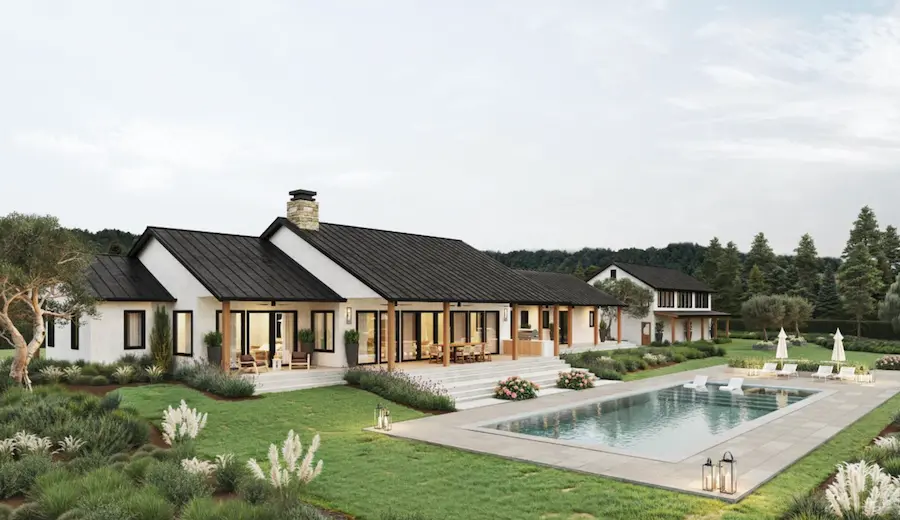
The Mark West Corridor: Sonoma County's Hidden Hillside Haven
You might expect me to start with Sonoma or Healdsburg, but first I want to talk about an area that doesn't always get the attention it deserves when discussing luxury real estate in Sonoma County: the Mark West corridor and foothills in Santa Rosa.
Located northeast of Santa Rosa, this region extends from the eastern edge of the city up into the Mayacamas Mountains that separate Sonoma and Napa counties. The area encompasses several distinct neighborhoods including Mark West Springs, Riebli Valley, and notably Redwood Hill, a small gated community off Mark West Spring Road. Properties here sit at elevations ranging from about 500 to 2,000 feet, providing many homes with panoramic views of the Santa Rosa Plain, Mount St. Helena, and on clear days, even glimpses of San Francisco Bay in the distance.
What makes this location particularly compelling is its unique advantage: hillside seclusion and privacy while being just 10-15 minutes from Santa Rosa's amenities and roughly 30 minutes from both Healdsburg and Calistoga. Many properties enjoy end-of-road privacy while maintaining relatively easy access to Highway 101. For buyers seeking that balance between rural tranquility and urban convenience, this area offers one of the best compromises in the county.
The Mark West area offers a different lifestyle than the more wine-tourism-focused parts of Sonoma County. Here, the emphasis is on natural beauty, outdoor recreation, and peaceful living. The surrounding landscape provides immediate access to hiking, mountain biking, and horseback riding directly from many properties. Safari West, a 400-acre private wildlife preserve, adds an unexpected element of adventure to the neighborhood, while several boutique wineries dot the hillsides. The nearby Mark West Lodge and Mayacama Golf Club (which I'll discuss in more detail later) provide additional recreational options.
For daily conveniences, the Larkfield-Wikiup area at the base of Mark West Springs Road offers shopping, services, and dining options, while downtown Santa Rosa sits just minutes away with access to medical facilities, cultural venues, and broader shopping and dining choices.
The properties themselves are truly exceptional, featuring some of the largest private estates in Sonoma County. This area offers a different kind of luxury than what you might find in Healdsburg or Sonoma—less about the Wine Country aesthetic and more about privacy, space, and often spectacular views.
Redwood Hill stands out as the premier gated community in this area, featuring some of the county's most valuable residential real estate. Properties here range from 5 to 40+ acres with homes surpassing 5,000 square feet, and listings have approached $10 million. Throughout the broader Mark West area, luxury properties typically start around $2.5 million for smaller hillside homes with views, ranging upward of $8-10 million for significant estates.
These properties often feature amenities rarely found elsewhere in the county: private lakes, extensive equestrian facilities, helipads, and infrastructure designed for self-sufficiency. For buyers who prioritize privacy and space over walkability to dining and shopping, and who appreciate the value proposition of getting more land and home for their investment, the Mark West corridor represents one of Sonoma County's best-kept secrets.
Downtown Healdsburg: Where Luxury Meets Walkability
Downtown Healdsburg represents one of those rare places where luxury and convenience intersect perfectly. After a decade of working in this market, I've learned that being within about a 15-minute walk to the plaza adds roughly 25% to a home's value compared to properties just a few blocks further out. That's a significant premium people are willing to pay for walkability, and it speaks to the lifestyle value that downtown proximity provides.
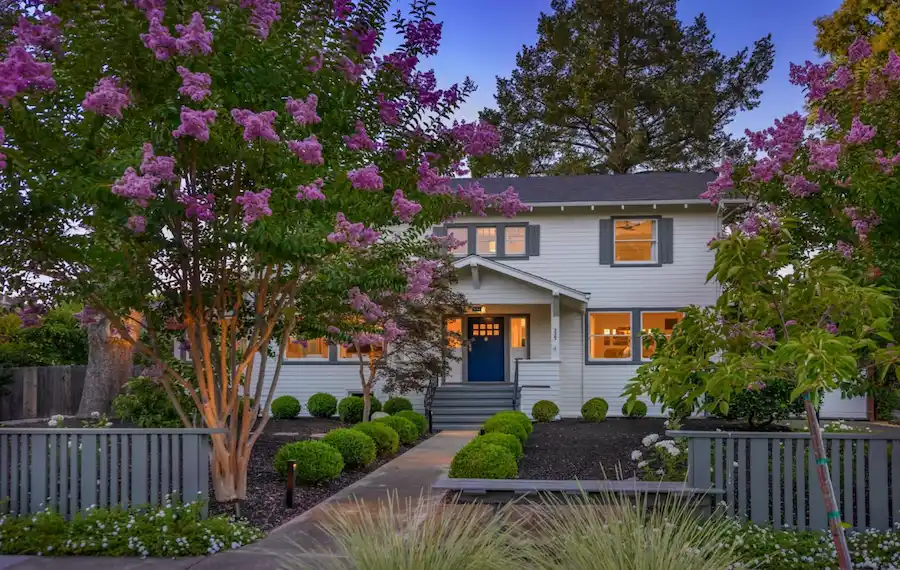
The historic plaza serves as the heart of the community, with a grid of streets extending roughly a 15-minute walk in each direction from the square. This compact, walkable layout creates an intimate, village-like atmosphere that's incredibly appealing to affluent buyers seeking both sophistication and community connection.
Downtown Healdsburg is divided into several distinct micro-neighborhoods, each with its own character and price point. The south end features what I call the "Golden Streets"—primarily Tucker Street and Hayden Street—wide, avenue-like thoroughfares with mature trees creating a stunning canopy. Matheson Street falls into this category as well, though it experiences slightly more traffic since it serves as an access route. These streets represent the most expensive area in downtown Healdsburg, with prices often starting at $2 million and climbing significantly higher for fully restored historic homes on the larger lots that characterize this area (often 12,000+ square feet of land, which is substantial for downtown).
Mid-downtown residential streets—the area between Piper Street on the south and Grant or Sherman Street on the north—include Johnson, Prince, Lincoln, and Brown Streets. These quieter neighborhood streets feature typically smaller houses and lots but are full of charm with their Craftsman and Victorian architecture. Properties here generally range from $1.2 to $2 million, offering a more accessible entry point to downtown living while maintaining that walkable lifestyle.
For those interested in mixed-use opportunities, the semi-residential/commercial district around East Street and Center Street, just one block from the plaza, offers some properties with business potential. Some properties in this area even come with rare vacation rental permits, adding significant value for investors looking to offset ownership costs or generate income.
North downtown—the area north of Grant Street but south of Powell—presents an interesting mix of small Craftsman homes and some larger properties. Some homes here have elevation advantages with views of Dry Creek Valley, and they tend to be more affordable than those premium Golden Streets, typically starting around $1 million.
The main draw of downtown Healdsburg is undoubtedly its walkability to world-class restaurants, boutique shopping, and wine tasting rooms. Within just a few blocks, residents can access over 20 acclaimed restaurants (including Michelin-starred establishments), dozens of tasting rooms representing the region's finest wineries, and unique specialty shops. Cultural amenities abound as well, with regular events in the plaza, art galleries, and the Raven Performing Arts Theater all within walking distance. The Healdsburg Museum and Historical Society offers a window into the area's rich past, while the weekly farmer's market brings the community together around the freshest local produce.
The lifestyle here combines small-town community warmth with sophisticated amenities typically found in much larger cities. Residents enjoy morning walks to Flying Goat Coffee, afternoon wine tastings, and evening strolls to dinner without ever needing to get in a car. For buyers coming from urban environments who don't want to sacrifice walkability and cultural amenities for Wine Country living, downtown Healdsburg offers the best of both worlds. The median price for downtown homes sits around $1.3 million, though as I've outlined, that varies significantly depending on exactly which downtown neighborhood you're considering. You can browse current Healdsburg luxury homes to see how these micro-neighborhoods compare today.
Dry Creek Valley: Quintessential Wine Country Living
Let's head out of downtown and into Dry Creek Valley, which is typically the first area people consider when looking for a rural property in the Healdsburg area. This picturesque, narrow valley runs roughly northwest from Healdsburg for about 16 miles, bordered by Lake Sonoma at its northern end and gradually widening as it approaches Healdsburg to the south.
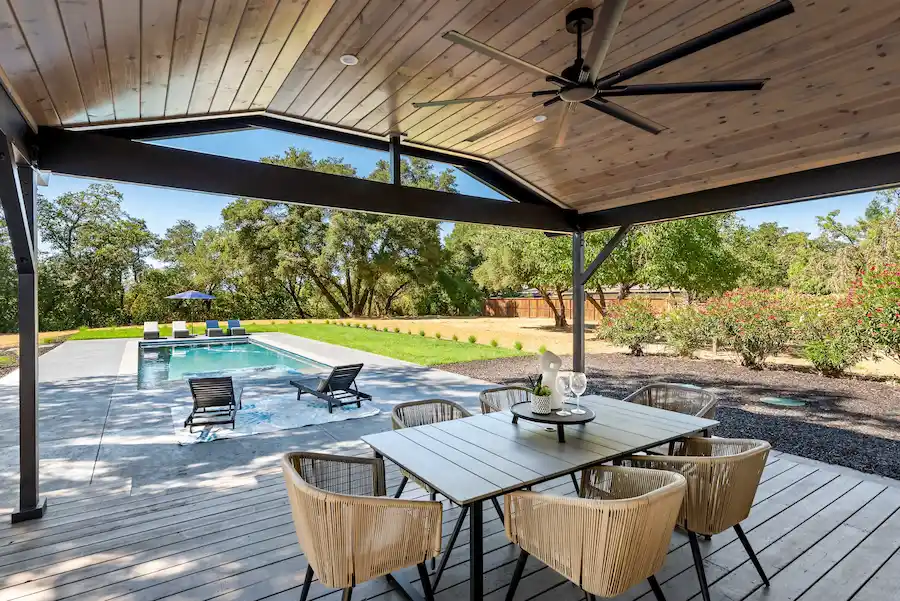
What catches many buyers' attention is the quintessential Wine Country landscape: rolling hills covered in vineyards with mountains rising on either side. The Russian River forms the valley's southern boundary where it meets Healdsburg, creating a natural transition between town and country. This is the Wine Country you see in the magazines—the bucolic scenery that drew you to consider Sonoma County in the first place.
Dry Creek Valley offers the perfect balance for those seeking rural living with reasonable access to amenities. You're about a 10-15 minute drive from downtown Healdsburg and about 25-30 minutes to the larger shopping centers and services in Santa Rosa. The valley is home to over 70 wineries and 150 vineyards, primarily known for world-class Zinfandel. Many of these wineries offer exclusive membership programs and events that create a built-in social community for residents—an important consideration for those relocating from elsewhere who want to establish connections in their new home.
Beyond wine, the valley provides easy access to Lake Sonoma for boating and fishing, miles of cycling routes along West Dry Creek Road (a favorite among local cyclists), and hiking trails throughout the surrounding hills. The Dry Creek General Store, a historic landmark, serves as a gathering place for locals and adds to the community feel despite the rural setting.
Properties in Dry Creek Valley command premium prices, often starting around $3 million, while similar rural properties in areas just south of Healdsburg might begin around $1.5 million. That price differential reflects the Dry Creek name recognition and the valley's established reputation as one of Sonoma County's premier wine regions.
You'll find two distinct property types here, each offering different advantages and considerations. Valley floor properties typically range from 1-10 acres and often include vineyards. These offer quicker access to main amenities and easier day-to-day living, but they may experience some noise from traffic on Dry Creek Road, occasional freeway noise depending on location, and the normal sounds of farming activities in surrounding vineyards. These properties generally start around $2 million for a modest home on a couple of acres, climbing well above $5 million for larger estates with producing vineyards.
Hillside properties on the sides of the valley offer those premium views you see in Wine Country publications. These tend to be larger parcels, often 10-40 acres, with custom homes positioned to maximize panoramic vistas. The trade-offs include greater fire risk (an important consideration in today's climate), more difficult access (often via private roads that may require four-wheel drive in winter), and longer travel times to reach town. Prices for hillside properties typically start around $3.5 million and climb from there based on acreage, home size, and view quality.
For buyers prioritizing that classic Wine Country aesthetic and connection to the winemaking community, Dry Creek Valley offers an authentic experience. The valley has retained its agricultural character despite increasing residential development, and the community of residents and vintners creates a unique sense of place that's hard to replicate elsewhere.
Downtown Sonoma East Side: Historic Elegance with Modern Convenience
Let's shift now to Sonoma, specifically the east side of downtown, an area that has a character all its own and attracts a different type of luxury buyer than what you might find in Healdsburg.
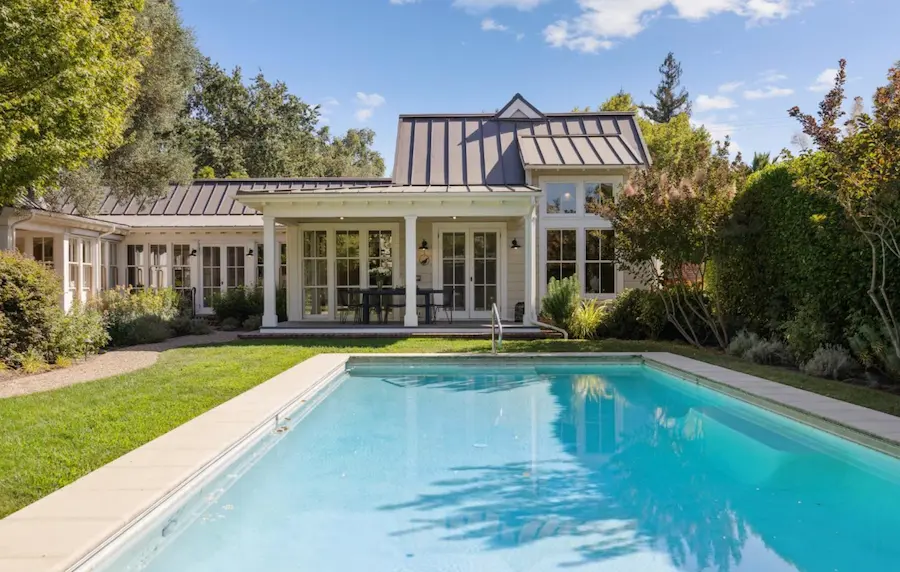
The east side extends roughly from the historic Sonoma Plaza eastward, defined by tree-lined streets featuring significant setbacks that create a spacious, park-like feeling despite proximity to downtown. The topography gradually rises as you move away from the plaza, providing many properties with western views across the Sonoma Valley. This elevation offers both physical and psychological separation from the tourist activity around the plaza while maintaining easy walking access to all amenities—a distinction many buyers find valuable.
The neighborhood offers an unparalleled lifestyle combining historic charm, walkability, and peaceful residential living. The Sonoma Plaza—California's largest town square and a National Historic Landmark—sits at the western edge of the neighborhood, providing immediate access to over 25 tasting rooms, dozens of restaurants (including Michelin-starred establishments), boutique shopping, art galleries, and cultural attractions.
Community draws include the Tuesday night farmers market and numerous festivals throughout the year that bring residents together. The Sebastiani Theatre, a historic 1934 movie house on the plaza, screens both first-run and classic films, while the Sonoma Valley Museum of Art brings world-class exhibitions to the community. For outdoor enthusiasts, the neighborhood's eastern edge connects directly to hiking trails leading into the Mayacamas Mountains, offering immediate access to nature without requiring a drive.
The housing stock consists primarily of historic homes, often beautifully restored, on larger lots with mature landscaping. Many of these homes have been meticulously updated inside while preserving their exterior character—a selling point for buyers who appreciate architectural history and craftsmanship. Walking these streets feels like stepping back in time, with Craftsman bungalows, Victorian cottages, and early California ranch homes creating a visual tapestry of the region's residential history.
Similar to Healdsburg, proximity to Sonoma Plaza commands a premium, and the east side has traditionally been considered the more desirable area. Entry-level homes in this neighborhood typically start around $1.5 million, with significant historic properties on larger lots ranging from $3-7 million. The most exceptional estates, particularly those with historic significance or outstanding architectural merit, can exceed $10 million.
For buyers who value historic character, appreciate walkability to sophisticated dining and cultural amenities, and prefer Sonoma's slightly more relaxed pace compared to Healdsburg's busier summer tourism season, the east side of downtown Sonoma represents an excellent choice. The community here tends to be more year-round residential and less impacted by the seasonal tourism fluctuations that affect other Wine Country towns.
Lovall Valley: Wine Country's Best-Kept Secret
If you haven't heard of Lovall Valley, you're not alone—and that's actually part of its appeal. This exclusive valley is tucked between Sonoma and Napa counties and represents some of the most sought-after rural properties in the region, known only to those who have spent significant time exploring Wine Country real estate.
Lovall Valley is located at the border between Sonoma and Napa counties, situated at an elevation of approximately 600-800 feet. The valley is oriented roughly north-south, with Lovall Valley Road serving as its main access route connecting to the town of Sonoma, approximately 3 miles to the southwest. This hidden valley measures about 2 miles in length and half a mile in width, creating an extremely limited inventory of properties—scarcity that contributes significantly to property values.
The elevated position and surrounding hills create a microclimate that's noticeably cooler than the valley floors of both Sonoma and Napa, which many residents appreciate during summer months. Despite the seclusion, you're still just minutes from both downtown Sonoma and downtown Napa, providing residents with convenient access to two of California's most renowned wine regions.
The valley's exclusivity stems from intentional preservation. There are no crowds, traffic, noise, or commercial development here. The valley has been protected as a rural enclave, with strict zoning that prevents commercial activities beyond agriculture and equestrian pursuits. This means the character you see today will remain largely unchanged—an assurance that's increasingly rare in Wine Country and valuable to buyers seeking long-term tranquility.
The landscape consists of oak woodlands, meadows, and panoramic vistas that shift with the seasons. The natural beauty here feels more pristine than in valleys that have been more extensively developed for viticulture. Properties often feature mature oak trees, seasonal creeks, and native grasslands that create a sense of timelessness.
This is the most exclusive rural real estate in Wine Country, and prices reflect that status. Properties here often sit on multiple acres, typically 5-40+, with many featuring vineyards, extensive equestrian facilities, or other luxury amenities. Many estates include private lakes or ponds, expansive gardens, and secondary structures such as guest houses, art studios, or wine caves.
Entry-level properties typically start around $3.5 million for smaller parcels with modest homes, but exceptional estates can reach the $5-15 million range, with some properties exceeding $20 million. These higher-end properties often represent compound-style estates with multiple structures, significant acreage, and amenities that create a completely self-contained lifestyle.
For buyers seeking the ultimate in privacy and exclusivity while maintaining proximity to Wine Country amenities, Lovall Valley represents the pinnacle. The limited number of properties means opportunities here are rare, and when they do come to market, they typically sell quickly to discerning buyers who recognize the valley's unique value proposition.
Fountaingrove, Shiloh Estates & Mayacama: Sonoma County's Gated Communities
Finally, let's discuss three distinct areas that round out our tour of where Sonoma County's wealthy tend to live: Fountaingrove, Shiloh Estates, and Mayacama—each offering a different approach to luxury living in Wine Country.
Fountaingrove: Views and Convenience Combined
Fountaingrove is located in the northeastern section of Santa Rosa, initially developed in the late 1970s but with significant expansion in the 1990s and early 2000s. The neighborhood is defined by winding roads with homes positioned to maximize views of the Santa Rosa Plain and surrounding mountains. This creates a hillside community feel while maintaining reasonable access to Santa Rosa's urban amenities.
Within Fountaingrove, the most prestigious sections are the elevated areas like Skyfarm and Flintridge, which sit at the highest points of the development and command the best views. Exclusive pockets like Kendell Hill Drive and Meadowcroft (a gated community technically outside the main Fountaingrove HOA) represent the premium tier within this already upscale neighborhood.
The neighborhood is built around the Fountaingrove Golf and Athletic Club, which offers a championship 18-hole golf course, tennis courts, swimming pools, and fine dining. Beyond the club amenities, residents enjoy extensive walking trails, multiple parks, and a central lake that add to the community feel.
Fountaingrove offers several advantages for buyers coming from the Bay Area or other urban environments. You're just 10-15 minutes from downtown Santa Rosa with its shopping, dining, and services, yet you feel removed from the urban environment once you're in the neighborhood. The area provides easy access to Highway 101 for commuting to San Francisco or other Bay Area destinations, making it popular among buyers who need to maintain some connection to the Bay Area while transitioning to Wine Country living.
Properties here typically feature larger custom homes, many with spectacular views, starting in the $3 million range for homes of 3,000-4,000 square feet. Larger estates on premium lots can reach $5-7 million or more. The community attracts professionals, retirees seeking an active lifestyle, and buyers who want amenities and views without the full rural lifestyle commitment.
Shiloh Estates: Privacy and Space Near Windsor
Heading farther north to Shiloh Estates, located near Windsor, you enter an area of rolling hills covered with oak trees and vineyards. This gated community offers a more rural atmosphere without some of the downsides of true rural living, while remaining close to Windsor's amenities and Highway 101 for easy regional access.
The neighborhood emphasizes privacy and space over shared amenities, featuring wide streets with significant distance between homes and direct access to nearby open space and vineyard landscapes. The lots here are substantially larger than what you'll find in Fountaingrove, creating true estate living rather than a suburban hillside development.
While the community itself has limited shared amenities beyond its security features, its location provides convenient access to Windsor's growing restaurant scene and extremely easy access to Santa Rosa for shopping and services. You're also well-positioned to reach both Healdsburg and the Russian River recreation areas.
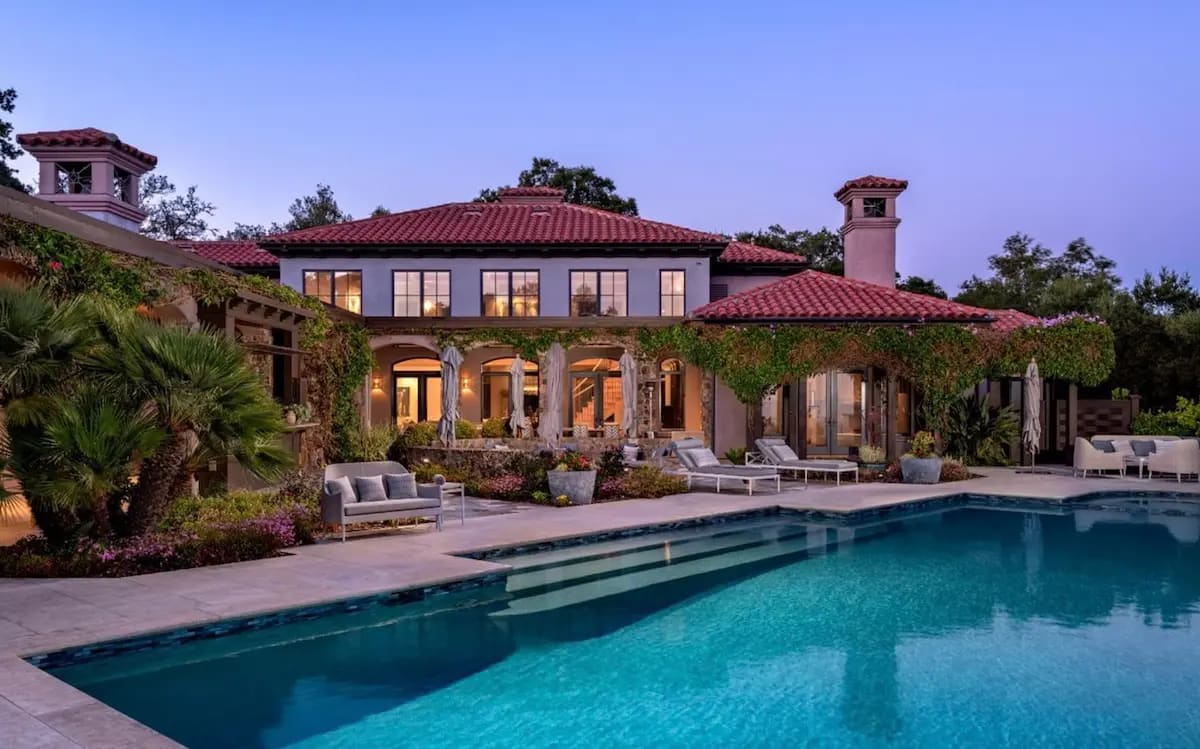
Properties at Shiloh Estates represent true estate living, typically ranging from 2-10 acres with custom-built homes generally between 4,000 to over 10,000 square feet. These properties typically range from $4 million to over $10 million, with the higher end representing significant compounds featuring guest houses, extensive equestrian facilities, private vineyards, or other luxury amenities.
This community appeals to buyers who want significant privacy and space, appreciate a gated community's security, but don't necessarily need the resort-style amenities of a club community. Many owners maintain horses or small vineyards on their properties, creating a gentleman farmer lifestyle while remaining accessible to urban conveniences.
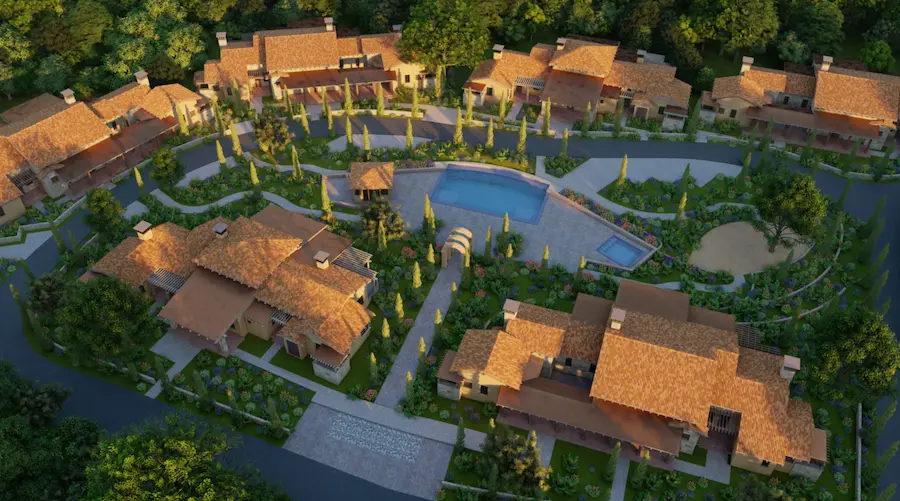
Mayacama: The Ultimate Private Club Experience
Mayacama, located in the hills between Santa Rosa and Healdsburg, represents a secluded enclave centered around its private golf club. The community was intentionally designed to blend into the natural landscape, with homes maximizing privacy and views while maintaining proximity to club amenities.
Mayacama offers a true luxury resort lifestyle centered around its Jack Nicklaus-designed golf course, consistently ranked among the top courses in California. The private club includes a Spanish-inspired clubhouse, spa facilities, tennis courts, and a sophisticated dining program featuring wines from member vintners. The community also offers residential "casitas" for members' guests and wine storage facilities in temperature-controlled caves built into the hillside—details that reflect the club's focus on wine enthusiasts.
Properties here come in two main forms: custom homes on 2-5 acre lots surrounding the golf course, and "villas"—semi-custom homes on smaller lots with maintenance services provided. Properties typically range from $4 million to $10+ million, with membership in the private club being a separate investment beyond the real estate purchase.
Mayacama appeals to affluent buyers who value an active lifestyle centered around golf and social connections with like-minded individuals. The club creates a built-in community and social calendar, which can be particularly valuable for relocating buyers seeking to establish connections in Wine Country. The property maintenance aspects of the villa option also appeal to buyers who want luxury living without the responsibilities of maintaining a large estate.
Finding Your Place in Wine Country's Luxury Market
These diverse neighborhoods demonstrate that Sonoma County's luxury real estate market offers something for virtually every preference and lifestyle. Whether you prioritize privacy and space in hillside enclaves like Mark West or Lovall Valley, walkability and cultural amenities in downtown Healdsburg or Sonoma, classic Wine Country aesthetics in Dry Creek Valley, or club amenities and security in communities like Mayacama or Shiloh Estates, you can find your ideal setting here.
The common thread across all these areas is that they offer more than just expensive real estate—they provide distinct lifestyles that justify their premium prices. Buyers here aren't simply purchasing homes; they're investing in a quality of life, a sense of community, and a connection to one of California's most beautiful and culturally rich regions.
Having helped hundreds of families navigate these choices over the past decade, I've learned that the right neighborhood for you depends not just on budget but on how you envision living day-to-day. Do you want to walk to dinner or drive through vineyards to reach your secluded estate? Do you value golf and club amenities or prefer completely private recreational options on your own land? Are you seeking an established community of neighbors or the privacy of a hidden valley?
These questions matter more than square footage or acreage alone, and answering them honestly will guide you toward the Wine Country neighborhood where you'll truly feel at home. If you're considering making Sonoma County your next chapter—whether as a primary residence, a second home, or an investment property that offers both financial returns and lifestyle benefits—I'd welcome the opportunity to share more detailed insights about these neighborhoods and help you find your perfect fit.
You can reach me directly at hello@modernlivingsonoma.com, and I encourage you to explore more insights about Sonoma County living through our blog and newsletter. After over a decade of transactions across every corner of this county, we've developed the local knowledge and connections that can make your Wine Country transition smooth and successful. As Healdsburg luxury specialists, we know these neighborhoods and their buyers intimately. The right neighborhood is out there waiting for you—let's find it together.