What to Expect When Buying a House in Windsor, CA
Windsor, CA sits in Sonoma County, drawing buyers who want wine country access without Santa Rosa's density. The estimated median household income here reached $137,307 in 2024 - a number that reflects a buyer pool with specific priorities and real purchasing power. Proximity to the broader Santa Rosa-Petaluma metro area is a big part of the draw.
Buying here means engaging with a market that moves steadily and doesn't leave much room for hesitation. Inventory often hovers around 59 available properties at any given time. Before you make an offer, you'll want a clear picture of local pricing, how neighborhoods differ from each other, and how California's closing process actually works.
What to Know Before Buying in Windsor, CA
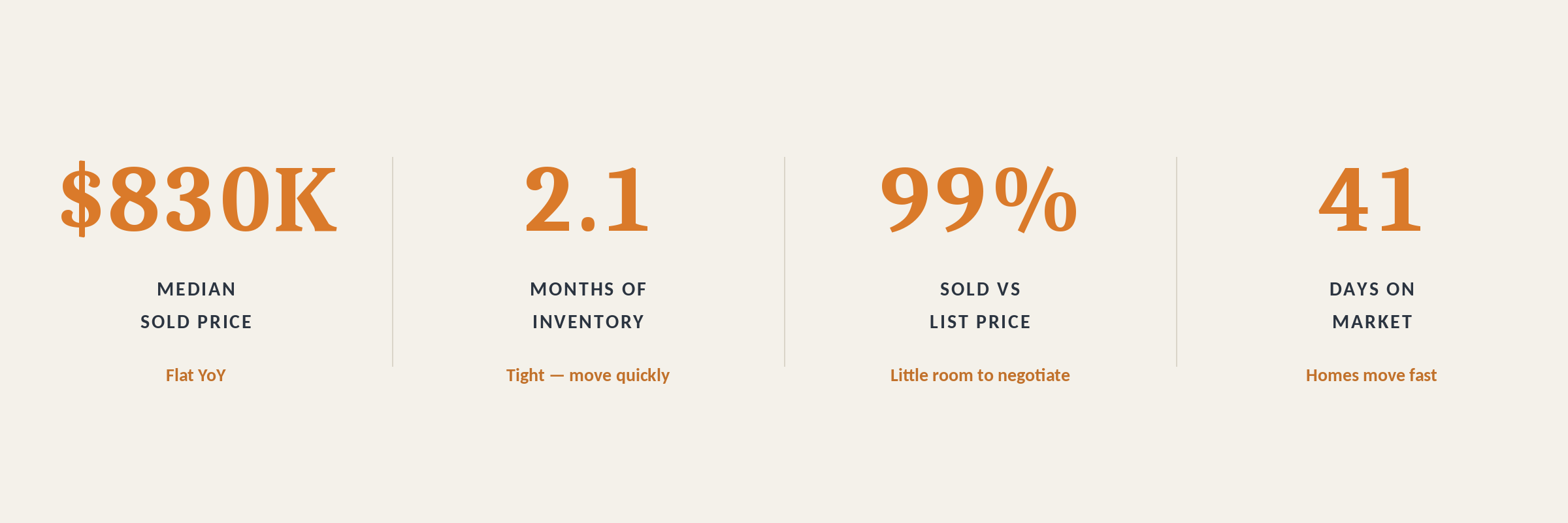
Median home prices run around $824,000. That's higher than national averages, but it's right in line with what this part of Sonoma County typically looks like. Homes spend a median of 32 days on the market - not long, and certainly not long enough to drag your feet on a property you like.
The town's population sits around 26,000, which makes it a noticeably different experience than neighboring Santa Rosa, about 8.7 miles away. If you're coming from outside the area, expect a fast-paced environment where well-priced homes sell for full asking price and sometimes more.
Evaluating the Right Time to Buy
With roughly 2.6 months of supply available, sellers hold a slight edge. About 40% of recent sales closed above asking price, so multiple-offer situations on well-priced homes aren't rare. Keep an eye on interest rates and seasonal inventory shifts - late summer and early fall tend to bring new listings as sellers look to close before the rainy season sets in.
Who This Market Fits Best
Buyers relocating to Windsor often come for Foothill Regional Park, the local dining scene, and the Highway 101 corridor for commuting without living inside a major city. First-time buyers should go in clear-eyed: the cost of living index here is 27% higher than the California average, so entry-level price points are genuinely challenging. Investors occasionally look at townhomes or properties near the town center, though the high cost of entry limits how quickly anyone can build a portfolio here.
Windsor Housing Market Prices and Trends
Mid-2026 market data shows 69 homes sold in a single month - consistent turnover for a town this size. The median sale price sits at approximately $824,551, with almost no year-over-year change. Stable, not stagnant.
The average sale-to-list ratio is 100%. That means sellers are generally getting their exact asking price, so if you're budgeting based on the assumption you'll knock something off the list price, recalibrate - especially for anything that's been on the market fewer than 30 days.
Inventory and Competition
Fifty-nine homes in active inventory is thin. If you have specific requirements around layout or lot size, you'll need to check new listings daily, not weekly. The low months-of-supply number favors those selling a home in Windsor, and the practical takeaway for you is simple: get your financing fully approved before you start touring homes. You don't want to find the right property and then spend a week chasing a pre-approval letter.
Entry-Level vs. Luxury Segments
The lower end of the market - older single-family homes and attached properties - moves the fastest. These are the homes that draw buyers trying to get into Sonoma County below the median, and competition is real.
On the other end, the luxury segment includes larger properties with acreage and custom builds that push well past the $1 million mark. Those homes tend to sit on the market a bit longer than the median 32 days, which gives you more room to negotiate terms if you're shopping at that level.
Types of Homes for Sale and Price Ranges
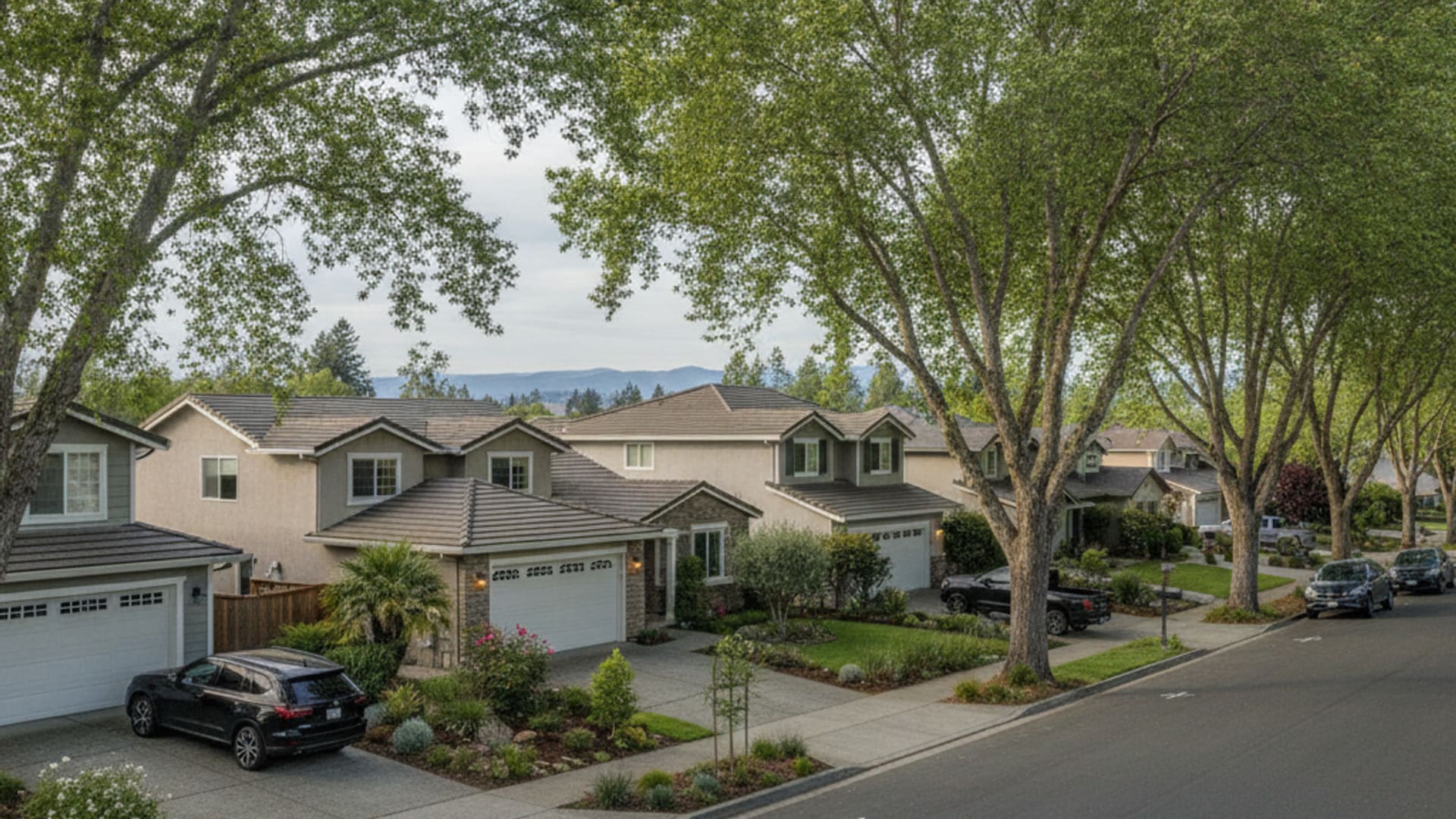
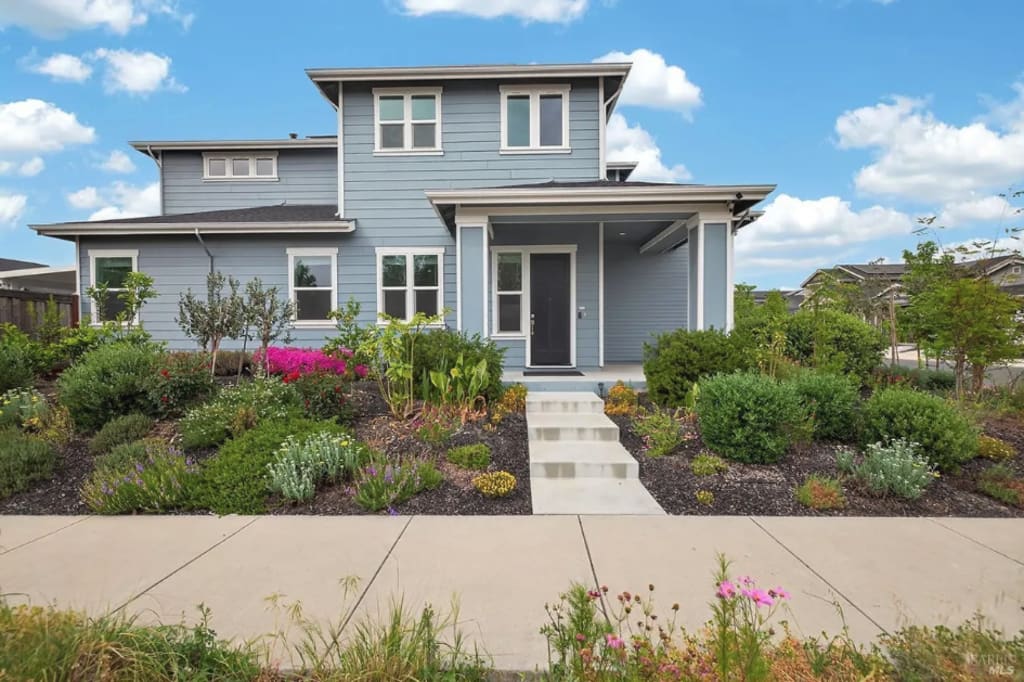
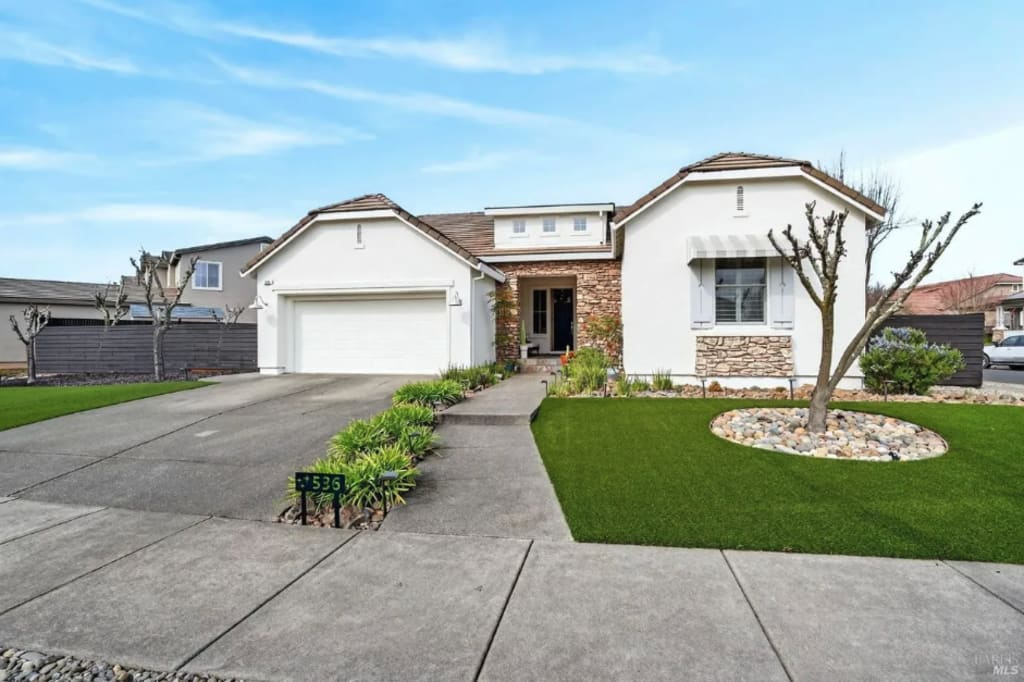
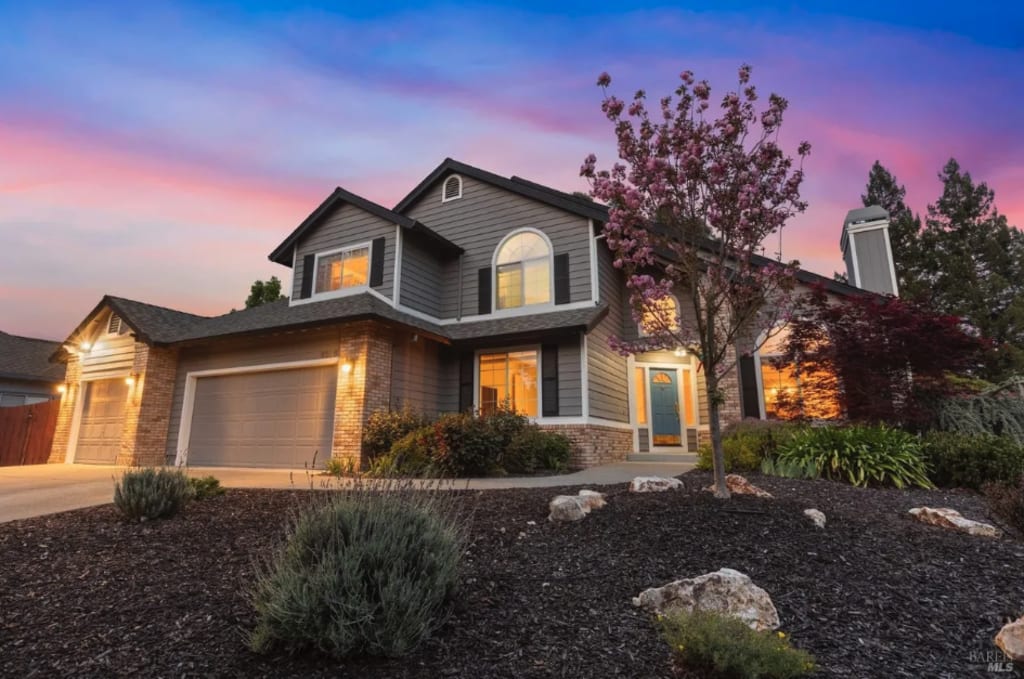
Windsor's residential stock is mostly single-family homes built over the last few decades - a mix of single-story ranch layouts and larger two-story properties with attached garages. That's the bulk of what you'll see.
Attached housing - condos and townhomes - makes up a smaller slice of available inventory. They offer a lower barrier to entry, but don't forget to run the monthly HOA dues through your debt-to-income calculation before you get too far along.
Single-Family Homes and New Construction
Detached single-family homes dominate the active listings, and most buyers here are focused squarely on that segment. Typical properties have fenced yards and run three to four bedrooms.
New construction is limited - there's not a lot of land to build on. Occasional infill developments and custom builds do appear, but if you're looking at a new build, verify whether the property falls under any special assessment districts before you go to contract.
Condos, Townhomes, and Affordable Options
Condos and townhomes offer the most accessible price points in Windsor and tend to sit closer to the town center and commercial areas - shorter trips to grocery stores and restaurants. Buyers targeting homes below the $824,551 median should also look at properties that need cosmetic updates. Just make sure you're budgeting realistically for repairs and renovations on top of the purchase price.
Windsor Neighborhoods to Consider
Windsor breaks into several distinct neighborhoods, and where you land matters - both for price and for what your daily life actually looks like. The town's typical homes fall in the $800,000 to $900,000 range, but specific subdivisions command premiums based on lot size and elevation.
Identifying the right area comes down to your budget and how much you care about proximity to main roads, outdoor access, or the town center.
Premium and Luxury Areas
Lakewood Hills is Windsor's standout premium neighborhood - larger lots, custom home designs, and prices that typically exceed $1 million. The market dynamic there is different from the rest of town. You'll find mature landscaping and more architectural variety than you'd see in a standard tract development, and homes tend to move at a different pace than the median.
Access to Amenities
Neighborhoods near Foothill Regional Park put hiking trails right outside your door. If outdoor access is a priority, that's where you'd focus.
Other subdivisions sit closer to the town center, where the annual hot air balloon festival takes place and local dining and Sonoma County wine tasting rooms are a short drive away. It comes down to whether you'd rather walk to a trailhead or walk to dinner.
Location, Commutes, and Sonoma County Geography
Windsor operates under a single primary ZIP code - 95492 - and sits along the Highway 101 corridor. Heading north or south is straightforward, which is a big part of the town's appeal for commuters.
Santa Rosa, the nearest city with a population over 50,000, is about 8.7 miles south. That's roughly a 15-minute drive to larger medical facilities and retail centers - close enough to be convenient, far enough that Windsor still feels like its own place.
Getting Around the Region
Highway 101 is the main artery. Test your specific commute during morning and evening rush hours before you commit - don't just time it on a Saturday afternoon. Windsor is part of the Santa Rosa-Petaluma, CA metro area, and residents who travel frequently for work either rely on regional transit connections or drive to major Bay Area airports, since local commercial flight options are limited.
Cost of Living, Weather, and Local Lifestyle
The Windsor cost of living index is 177 - that's 77% higher than the national average and 27% higher than the California average. You need a solid income to live here comfortably, and the $137,307 median household income reflects that reality.
The climate is mild year-round. Westerly winds in summer, easterly winds in winter, both averaging around 5 mph. Windsor gets approximately 41 inches of rain annually, most of it concentrated in the winter months - which is also worth keeping in mind if you're thinking about that rainy-season listing timeline.
Community Scale and Local Events
About 26,000 residents. That scale supports a close-knit environment where people actually know their local dining spots and show up to community events. The annual hot air balloon festival gives Windsor a distinct identity within Sonoma County - this isn't just a bedroom community that empties out during the day.
How to Find a Real Estate Agent in Windsor, CA
With inventory tight and homes selling fast, a local agent isn't a nice-to-have - it's how you actually compete. An agent who knows the 95492 ZIP code can flag off-market opportunities and get you in front of new listings the moment they hit the MLS, not a day later.
Interview at least three agents before you sign a representation agreement. Ask specifically about their recent transaction volume in Windsor - not their broader Sonoma County numbers, which can obscure how much time they actually spend in this market.
Evaluating Commissions and Experience
Real estate commissions in California are negotiable and typically split between the buyer's and seller's agents. Ask your agent directly how they handle compensation, particularly in situations where a seller isn't offering a full co-op fee.
Beyond commissions, you want someone who knows Windsor's specific details - the price jump in Lakewood Hills, the parking rules in townhome communities, the quirks that only come up when you're actually walking properties. A good agent surfaces those things on your first tour, not after you're already in escrow.
The California Home-Buying Process
California has specific disclosure requirements and a standardized escrow process. Once a seller accepts your offer, the transaction moves into escrow, where a neutral third party manages the funds and title transfer.
You'll review extensive seller disclosures - the Transfer Disclosure Statement (TDS) and Natural Hazard Disclosure (NHD) report are the main ones. These outline known property defects and geographic risks like flood zones or fire hazard severity zones. Read them carefully.
Inspections and Closing Costs
Schedule your general home inspection immediately after entering escrow. Depending on the property's age and location, additional inspections for pests, roof condition, or sewer lines are standard practice in Sonoma County - don't skip them to save time.
Closing costs in California typically run 2% to 3% of the purchase price. Factor that into your total cash-to-close figure alongside your down payment and any appraisal gap coverage. Buyers who only plan for the down payment sometimes get surprised at the closing table.