
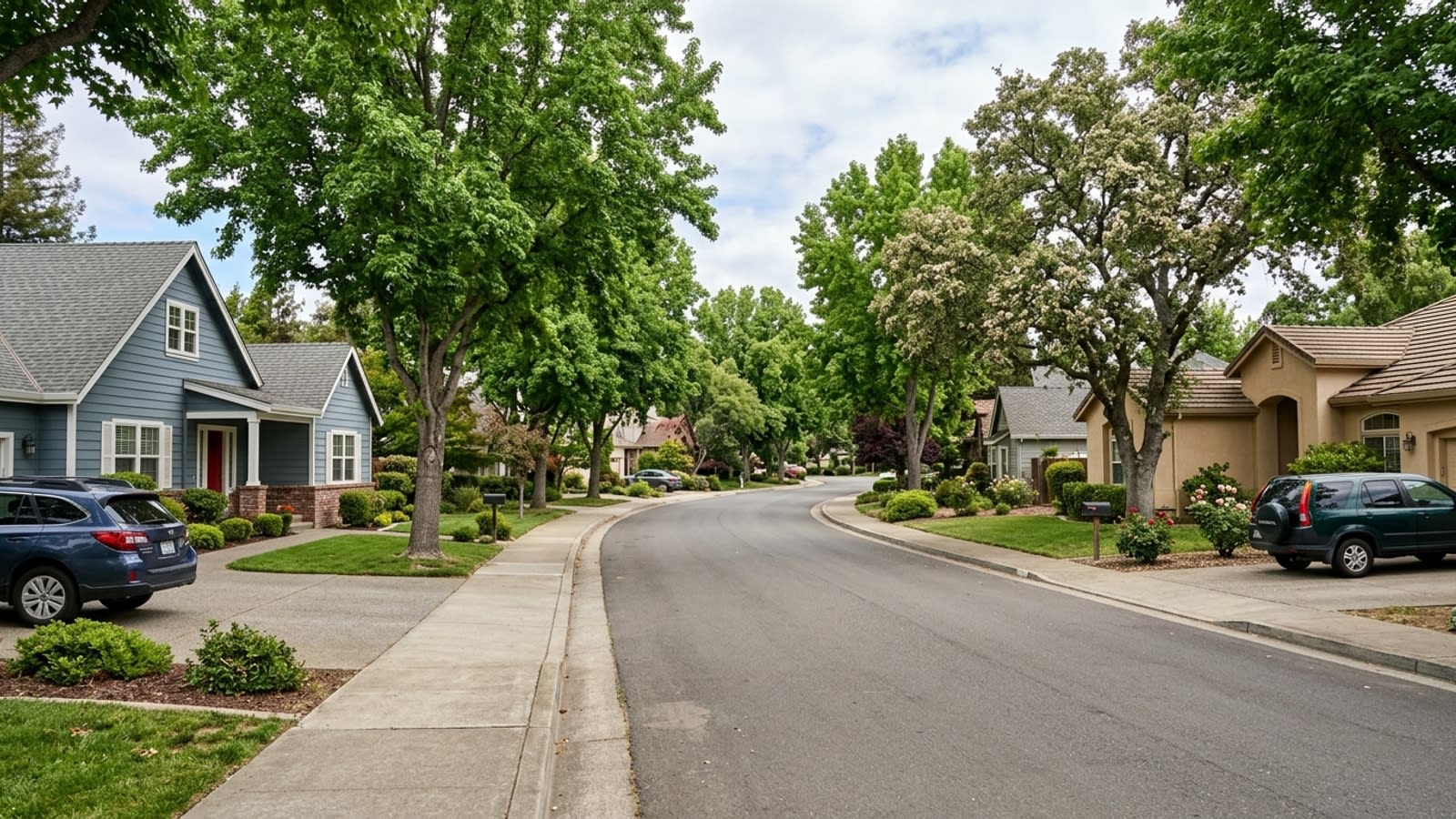
Windsor, CA, has enough distinct neighborhoods that buyers frequently end up comparing two of them side by side: the traditional properties along the Shiloh corridor and the homes inside the Shiloh Crossing development. It's a reasonable thing to wrestle with. The older Shiloh estates have a settled, residential feel that's hard to replicate, while Shiloh Crossing puts you closer to the commercial center - a genuinely different daily experience.
The Windsor market doesn't sit still. There are roughly 59 active listings at any given time, homes are moving in about 32 days, and the median sale price as of late summer 2026 is around $824,551. Choosing between these two areas ultimately comes down to three things: property type, HOA structure, and how your daily commute to central Windsor or Santa Rosa actually plays out.
Real Estate Options and Market Trends
One number tells you a lot about this market: the average sale-to-list ratio is just over 100%, and roughly 40% of recent sales closed above list price. That's not a fluke. Well-priced homes in both the Shiloh and Shiloh Crossing areas are drawing offers fast, so buyers who show up underprepared tend to lose.
The residential difference between the two areas is mostly about layout and location. The broader Shiloh area is traditional single-family territory - varied lot sizes, mature streets, a quieter profile. Shiloh Crossing sits closer to local commercial centers and feels different because of it.
Homes Along the Shiloh Corridor
Properties around Shiloh Road are the more traditional side of Windsor real estate. Established subdivisions, mature landscaping, streets that aren't routing anyone to a strip mall. Buyers who end up here usually know what they're trading - immediate walkability to retail - and they're fine with that trade.
Properties in Shiloh Crossing
Shiloh Crossing is built around its proximity to shopping and dining, and that's either a selling point or a caution flag depending on who's asking. The environment is more active. Before you fall in love with a specific address, it's worth spending time there on a weekday afternoon to see what the traffic and ambient noise actually feel like day-to-day.
Commute Times and Local Amenities
Drive the routes yourself - both from Shiloh Road and from Shiloh Crossing - during an actual weekday morning and again in the evening. Windsor residents commonly commute to central Windsor or head south to Santa Rosa, and the difference between those two departure points can add up over time in ways that a Saturday afternoon test drive won't reveal.
The amenity gap between the two locations is real but not dramatic. Shiloh Crossing puts grocery runs and dinner out a few blocks away. The traditional Shiloh neighborhoods require a short drive to reach those same retail centers. Whether that tradeoff matters depends entirely on how you live - some buyers barely notice it, others find it defines the whole experience.
Researching Property Data and HOA Rules
Pull the public records before you make any offer. Municipal portals have property tax histories, zoning maps, and civic data that will tell you a lot about the long-term carrying costs attached to a specific address. It's not glamorous work, but it's the kind of thing that prevents unpleasant surprises six months after closing.
HOAs deserve the same attention. Both Shiloh and Shiloh Crossing have HOA-governed properties, and the documents - monthly or annual dues, architectural guidelines, rules around parking, landscaping, and exterior modifications - vary from one subdivision to the next. Request those documents early. Reading them before you're emotionally committed to a house is significantly easier than reading them after.
Frequently Asked Questions
What is the main residential difference between the traditional Shiloh neighborhoods and the Shiloh Crossing area in Windsor?
The traditional Shiloh neighborhoods are established single-family homes in a quieter, purely residential setting. Shiloh Crossing is located closer to a commercial center, which means a more active environment and immediate access to retail - a different kind of daily life.
How do the HOA dues and property taxes compare between homes in Shiloh Crossing and the older Shiloh corridor?
It depends on the specific subdivision and property. Dues and assessments vary from one street to the next, so review the individual HOA documents and check municipal tax records for each home you're seriously considering.
Does living in Shiloh Crossing mean dealing with more traffic and noise from the commercial center compared to the quieter Shiloh estates?
Yes. Homes in Shiloh Crossing generally experience more local traffic because of their proximity to retail and dining. The traditional Shiloh estates sit further back from those commercial hubs, and the streets reflect that.
Which Windsor school districts are homes in the broader Shiloh area versus the Shiloh Crossing development zoned for?
School zoning comes down to the exact address. Consult the local school district's official boundary maps to confirm the assignment for any specific house - don't assume based on neighborhood name alone.
Are there still new construction homes available to buy in Shiloh Crossing, or is the inventory strictly resale like the rest of Shiloh?
Inventory in both areas is primarily resale. If you're set on new construction, you'll need to check current Windsor listings to see whether any new infill projects or recent builds have come to market.
Do the property types and lot sizes in Shiloh Crossing differ significantly from the single-family homes typically found around Shiloh Road?
Yes, they can. The older homes around Shiloh Road tend to have traditional single-family layouts with varied lot sizes. Shiloh Crossing properties may have different footprints - ones that were designed around the nearby commercial center rather than a purely residential street grid.