
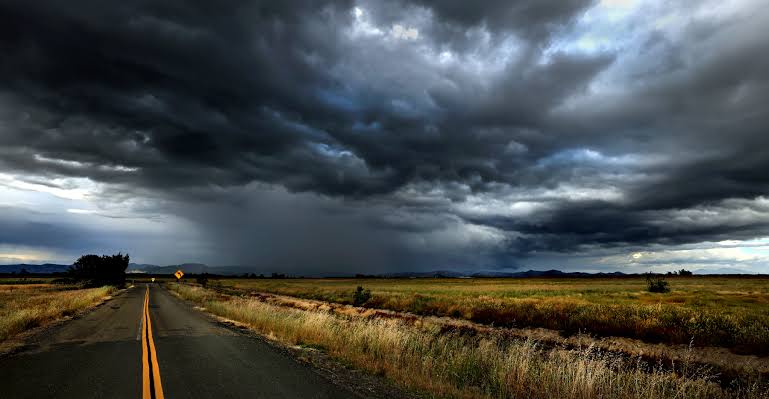
Windsor, CA sits at an elevation of 118 feet in Sonoma County, and the climate here is what most people picture when they imagine Northern California done right - warm, dry summers and cool, wet winters, with almost none of the extremes that make other parts of the state difficult. The median sale price is currently around $807,000, and when buyers ask me about the weather-related pros and cons of living in Windsor, CA, the honest answer is: not much drama. You won't be shoveling snow. You won't be running your AC in February. What you will be doing is adjusting to a rhythm of seasons that's genuinely distinct, even if it's gentler than what most transplants are used to.
The dry season and the wet season shape nearly everything here - how you landscape, how you maintain the house, when your utility bills climb. Worth understanding before you make an offer.
Windsor, California Climate Overview
Windsor falls under the Köppen climate classification of Csb, meaning Warm-Summer Mediterranean. Warm, dry summers. Cool, wet winters. By July the hills are golden; by January the rains have turned them green again. It's a reliable cycle once you've lived through it once.
If you're planning any landscaping, know that Windsor sits in USDA hardiness zones 9a and 9b. That opens up a wide range of drought-tolerant plants, fruit trees, and native California species - and the smart move is to choose plants suited to those zones specifically, so you're not fighting the dry season every year with a water bill to match.
Understanding the Local Climate Zones
The 9a and 9b designation means deep-freeze winters simply aren't part of life here. Temperatures can dip close to freezing on the coldest nights, and you'll occasionally scrape frost off the windshield or cover a sensitive plant, but pipe-bursting cold is not a real concern.
What that means practically is that outdoor living spaces work most of the year. Covered patios and outdoor kitchens aren't just selling features in this market - they get used.
Seasonal Expectations Throughout the Year
Summer afternoons average around 84°F, and the dry air keeps that heat from feeling punishing. The bigger surprise for people moving from humid climates is how much the temperature drops after sunset - mornings can start almost chilly even in the middle of July.
Winter flips the pattern. Average lows hit 37°F to 38°F, and while the days stay relatively mild, you'll want a functioning furnace and something warmer than a fleece for the evenings.
Spring and Fall Transitions
Spring is the payoff for sitting through the wet season. Highs run between 65°F and 75°F, lows settle in the 41°F to 47°F range, the rains taper off, and Sonoma County is genuinely beautiful. Fall is a close match - highs between 66°F and 83°F, lows between 40°F and 49°F - though by October you're watching the clouds start to build again as the wet season approaches.
Monthly Temperature Averages in Windsor
July and August are the hottest months; December and January are the coldest. The daily swings matter as much as the monthly averages - a day that peaks in the mid-80s can start in the low 50s, so layers are part of the routine.
These figures are historical averages. Heat waves and cold snaps happen, and when they do, they push well outside these ranges. Knowing the baseline helps you size your HVAC system and set realistic utility expectations.
Month-by-Month Breakdown
Get your HVAC serviced before July and again before December - those are the two months where a system that's been coasting will remind you it exists.
- January: 58°F high / 37°F low
- February: 61°F high / 39°F low
- March: 65°F high / 41°F low
- April: 69°F high / 43°F low
- May: 75°F high / 47°F low
- June: 82°F high / 50°F low
- July: 83°F high / 51°F low
- August: 84°F high / 51°F low
- September: 83°F high / 49°F low
- October: 77°F high / 45°F low
- November: 66°F high / 40°F low
- December: 57°F high / 37°F low
Precipitation and Humidity Levels
Windsor gets approximately 37 to 38.5 inches of rain annually, and almost all of it arrives between late fall and early spring. Summer is dry - genuinely and reliably dry for months at a stretch.
Snowfall averages exactly zero inches per year. If you're coming from a colder climate, the snow shovel stays behind. At 118 feet of elevation, winter precipitation is rain, full stop.
Seasonal Humidity Changes
Summer dew points stay consistently below 50°F. That's why 84°F here doesn't feel like 84°F in, say, Houston. The air is just different.
Winter is another story. By December, relative humidity averages around 81%, and you feel it - the air is heavier, the mornings are damper, and the seasonal rains settle into the valley for weeks at a time.
Environmental Hazards and Severe Weather Risks
Wildfires are a real consideration in Sonoma County, and Windsor is no exception - the area carries a moderate to high wildfire risk. Extreme heat days are projected to increase in both frequency and severity going forward, which matters when you're choosing a cooling system or thinking about landscaping.
Tornadoes are not a meaningful risk here, and severe thunderstorms are uncommon. What you do get are atmospheric rivers - those long, narrow bands of moisture that sweep in off the Pacific and can drop a lot of rain very fast, sometimes causing localized flooding.
Adapting to Local Climate Trends
Climate projections for Sonoma County point toward more frequent and severe droughts, compounding the wildfire risk, alongside those increasing extreme heat days. Water-efficient landscaping and energy-efficient cooling systems aren't just nice-to-haves at this point.
The wet-season picture is also changing - more extreme precipitation events means that drainage and gutters matter more than they used to. Clearing the gutters before the atmospheric rivers arrive isn't optional maintenance; it's how you protect a house worth $807,000.
Timing Your Relocation to the Area
Mid-March through mid-November is the comfortable window. You'll avoid the heaviest rains and land in the mild stretch of the year that most people associate with this part of California.
Homes here are sitting on the market for an average of 42 days right now, so if you're eyeing a summer move, get your search started in early spring. One thing worth knowing: touring a house in July tells you a lot about outdoor spaces and roofs, but it won't tell you how the property handles a sustained winter downpour. If you can, ask specifically about drainage.
Comparing Windsor to Nearby Santa Rosa
Santa Rosa comes up constantly when buyers are deciding where to focus their search. From a climate standpoint, the comparison is essentially a wash - both cities share the same Warm-Summer Mediterranean classification and nearly identical precipitation patterns throughout the year.
Summer highs hover around 84°F in both places; winter lows drop to about 38°F in both places. The climate isn't what separates them. Housing inventory and location relative to where you're working or spending your time - that's where the actual decision gets made.
Real Estate and Lifestyle Under the Sonoma Sun
About 70 homes have sold recently, with roughly 48 active listings currently available. Nearly a third of those recent sales closed above the asking price, which tells you something about where buyer demand sits. The median sale price is near $807,000.
The climate is part of what buyers are paying for. No snow removal, dry comfortable summers, and enough outdoor-friendly days in the year to use a backyard or a patio on a regular basis.
Preparing Your Home for the Elements
Maintenance here is seasonal and predictable. Clear the gutters in late fall before the 37-plus inches of annual rain starts arriving in earnest. Check the drainage around the foundation. That's the wet-season checklist.
The dry season brings a different set of priorities. Defensible space matters given the moderate-to-high wildfire risk - clear zones around the property, fire-resistant plants where possible. It's not a reason to walk away from this market, but it's a responsibility that comes with living in this part of Sonoma County.
Frequently Asked Questions
What is the weather like in Windsor, California year round?
Windsor has a Warm-Summer Mediterranean climate with clear dry and wet seasons. Summers are warm and dry with highs around 84°F; winters are cool and wet with lows around 37°F to 38°F. Spring and fall are mild transition periods, with highs generally in the 60s and 70s.
What are winters like in Windsor, California?
Cool, wet, and noticeably humid. Average lows drop to around 37°F to 38°F, December relative humidity averages about 81%, and the bulk of the area's 37 to 38.5 inches of annual rain falls during the winter months and the seasons immediately surrounding them.
Does it snow in Windsor, California, and how much?
It doesn't snow. The annual snowfall average is zero inches. At 118 feet of elevation with mild winter temperatures, all precipitation arrives as rain.
Is it humid in Windsor, California?
It depends on the time of year. Summers are dry - dew points stay below 50°F and the heat stays comfortable because of it. Winters bring higher humidity, averaging around 81% in December as the rains settle in.
Are there tornadoes or severe weather in Windsor, California?
Tornado risk is very low, and severe thunderstorms are rare. The more relevant risks are atmospheric rivers capable of delivering heavy rainfall and localized flooding, and moderate to high wildfire risk during the dry season.
When is the best time of year to move to Windsor, CA based on local weather patterns?
Mid-March through mid-November gives you the best weather window - past the heavy winter rains, well before they return, and in the middle of the mild temperatures that make this area livable in the first place.
Do homes in Windsor, CA typically require air conditioning during the summer?
Yes. The heat is dry and evenings cool off, but summer days regularly hit average highs of 84°F, and extreme heat days are projected to become more frequent. Air conditioning is worth having.