
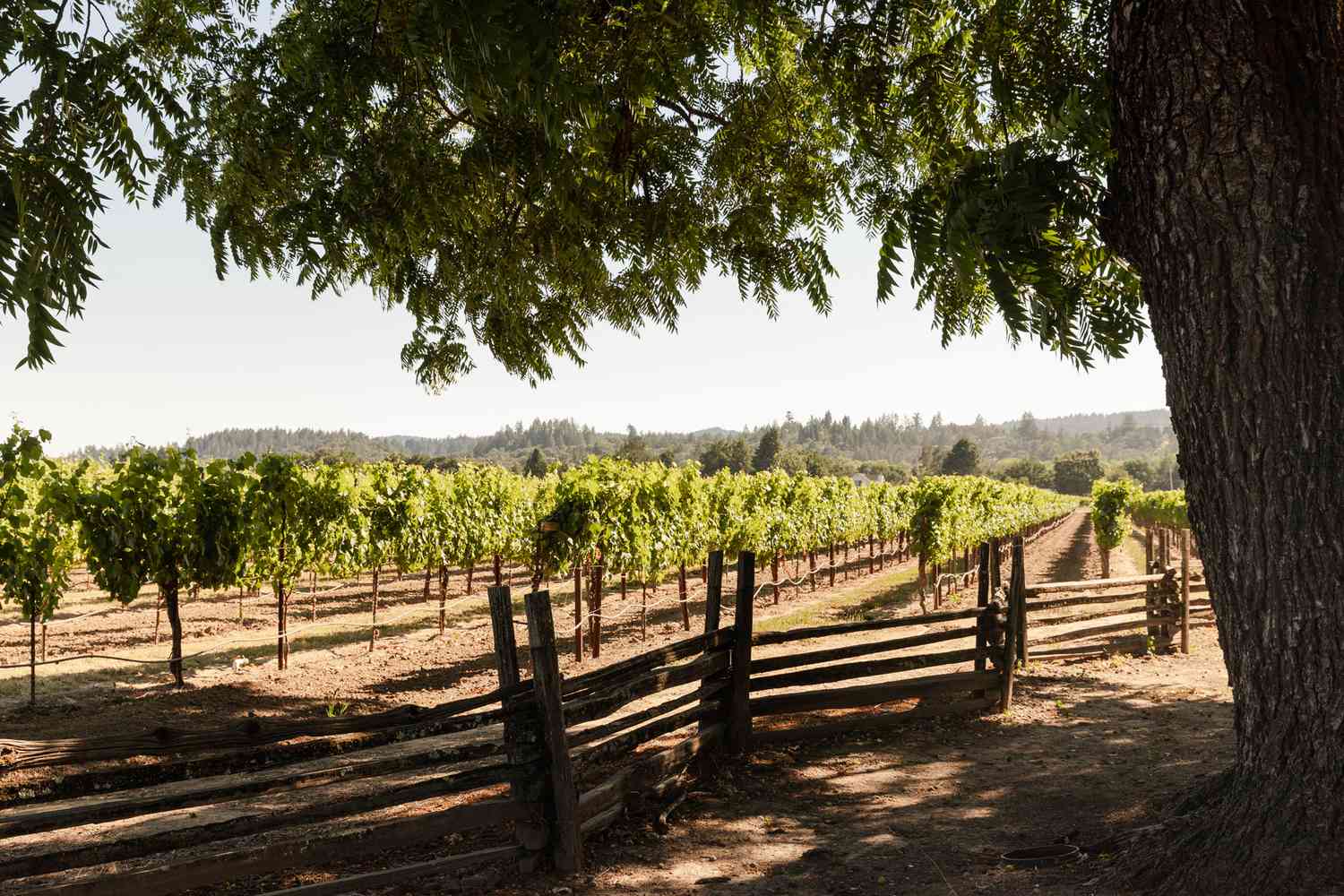
Healdsburg, CA sits in northern Sonoma County, surrounded by well-known vineyards and agricultural land. If you're seriously looking at this market and weighing the pros and cons of living in Healdsburg, CA, you already know about the wine country appeal - what you need to know is what it costs to carry a mortgage and run a household here day to day.
That means looking past the tourist brochure version of the place. From monthly utility bills to what's closing in the current market, the numbers tell a more specific story than the region's reputation does. Here's what they say.
Healdsburg, CA Cost of Living at a Glance
The cost of living index for Healdsburg sits between 173 and 195, with the national average baseline at 100. Put plainly, you're looking at a town that runs roughly 1.7 to 1.9 times more expensive than the national average.
Within California, Healdsburg is about 20% to 40% more expensive than the state average. Housing drives the bulk of that gap. Other categories - utilities, for instance - land closer to regional norms, which is a small but real offset.
How the Local Index Compares to State and National Averages
The housing category alone carries an index score between 273 and 359. That single figure is what pulls the overall local index so far above baseline, and it's the number that should anchor your budget conversations before anything else.
Other categories are elevated but less dramatic. Groceries index at 122 to 131, meaning food costs run about 22% to 31% above the national average. That's fairly standard for northern California - uncomfortable if you're relocating from a lower-cost state, but not unusual for this region.
The Short Answer on Affordability
Healdsburg is a premium market within Sonoma County. High housing costs combined with above-average grocery prices mean you'll want a detailed, line-item budget before you start making offers.
That said, not every category is a gut punch. Certain municipal services - specifically, the locally managed public power utility - keep one of your monthly bills meaningfully lower than you might expect in a high-cost state. More on that below.
Housing Costs: Home Prices and Rent
Late summer 2026 market data shows a median sale price of approximately $1,089,000 for homes in Healdsburg. That's a 2.3% year-over-year increase, which points to steady demand rather than a market cooling off.
Homes are spending about 67 days on market before closing. With roughly 6.2 months of supply and 70 active listings, there's more room to negotiate than this zip code had a few years ago - an average sale-to-list ratio of 96.6% confirms that buyers have some leverage, though not a lot.
Current Median Home Prices
The median closed sale price sits near $1.08 million, but different data sources are measuring different slices of the market. Zillow's Home Value Index estimated average values around $1,100,412 in July 2026. Some active listing datasets show median asking prices closer to $1.3 million.
Asking prices and closed prices tell different stories. For figuring out what a property is worth right now, lean on recent closed sales.
What to Expect for Monthly Rent
The rental market here has a wide range depending on what you're renting. Apartments.com reports average rents around $1,470 per month, with one-bedroom units running $1,431 to $1,472 and two-bedrooms between $1,700 and $1,745.
Zumper, on the other hand, reported average local rents near $4,000 per month in August 2026. That gap isn't a data error - it reflects the difference between standard apartment complexes and larger, single-family homes leased on the private market. Know which type of rental you're comparing before you draw any conclusions from either number.
Everyday Expenses: Utilities, Groceries, and Transportation
Beyond housing, Healdsburg reflects broader California pricing trends across most budget categories. The overall utilities index for the area runs 136 to 139, putting it roughly 36% to 39% above the national average. Transportation adds another layer - as of September 2026, California carries the highest average gas price in the country at $6.24 per gallon.
Neither of those numbers is a surprise if you've spent time in northern California. But they're worth quantifying before you build a monthly budget.
Monthly Utility and Grocery Bills
Here's where Healdsburg surprises people: the City of Healdsburg Utilities runs a local public power provider, and the average residential bundled bill comes in around $96.47 per month. The national average bill is $143.38. That's a genuine and recurring offset in a budget that doesn't offer many of them.
For groceries, plan on paying roughly 22% to 31% more than the national baseline, depending on where you shop in town.
Commuting and Gas Prices
Local fuel prices track closely with the rest of the state. Regular unleaded at stations in and around Healdsburg has recently priced between $5.87 and $6.05 per gallon. Premium runs closer to $6.27 or $6.59 per gallon.
If you're commuting south toward Santa Rosa or the Bay Area, build those fuel costs into your monthly transportation budget from the start. They add up faster than most people anticipate when they're running the initial numbers.
Salaries and Income in Sonoma County
Local earning potential has grown alongside real estate values over the past two decades. In 2000, the estimated median household income was around $48,995. Various 2024 and 2026 estimates now place it between $94,375 and $106,126. A recent mortgage-rate analysis utilizing Census data put the median at $103,554 per year - about $8,630 per month.
That's meaningful growth, but the gap between median income and median home price tells you something important about who's buying here.
Median Household Income
Earning around $103,500 annually puts a household right in the middle of the local economic spectrum. That income level supports a reasonable lifestyle in town, provided housing costs are managed carefully.
Buyers financing a median-priced home near $1.08 million typically come in well above that median income figure. A larger down payment helps, but there's no real workaround for the math - this market requires either substantial earnings, substantial equity from a prior sale, or both.
Defining Middle Class in the Area
Middle-class status in Healdsburg maps closely to that $94,000 to $106,000 median income band. Households in that range often focus on townhomes or properties slightly outside the immediate downtown area to keep housing costs workable.
With the housing index exceeding 273, an income that feels comfortable in another state may require noticeably tighter budgeting here. Calculate your debt-to-income ratio using actual local property values, not national rules of thumb - the difference matters.
Why Prices Run Higher in This Market
Healdsburg's location in Wine Country directly shapes its property values. The local economy runs on agricultural production and tourism, which draws buyers who specifically want proximity to renowned vineyards - and that demand doesn't soften much regardless of broader market conditions.
Geography compounds the issue. Surrounded by protected land and agricultural reserves, the town has limited room to expand. You can't build your way out of a supply problem when there's no land to build on.
Drivers of Local Housing Demand
With only about 70 homes on the market recently, buyers are competing for a small pool of available properties. Limited inventory and strong buyer interest tend to hold prices up even when other markets are softening.
The area also draws second-home buyers and vacation property investors. That outside capital competes directly with primary buyers for single-family homes, which is a meaningful part of why median sale prices stay above the $1 million mark.
Income Levels and Area Demographics
Over the last two decades, steadily rising property values have gradually shifted the local economic profile. As prices have climbed, so has the income required to purchase here.
Healdsburg still has a mix of long-time locals and newer residents, but the barrier to homeownership is real and high. That dynamic isn't likely to change meaningfully in the near term given the structural constraints on supply.
Comparing Healdsburg to Nearby Markets
Buyers exploring Sonoma County frequently look at Healdsburg alongside larger neighboring cities - Santa Rosa most often, since it sits just to the south and serves as the primary economic hub for the region.
The comparison is worth making deliberately, because the two markets offer genuinely different cost structures and trade-offs.
Differences in Local Pricing
Healdsburg generally commands a higher price per square foot than Santa Rosa. The smaller inventory and specialized local economy mean you're paying a premium for the Healdsburg address itself, not just for square footage.
Santa Rosa carries a much larger housing stock - entry-level condos through large estates. Buyers who prioritize maximum square footage for their budget will typically find more options there.
A Worked Monthly Budget Example
Take a household earning the median income of $8,630 per month. Secure a standard two-bedroom apartment at $1,745 and you've allocated about 20% of gross monthly income to rent - reasonable by most benchmarks.
Add $96 for electricity, $600 for elevated grocery costs, and $400 for local gas and transportation, and basic monthly carrying costs land around $2,841. That leaves room for savings, insurance, and discretionary spending. Renting on a median local salary is viable - it's the ownership side of the equation where the math gets harder.
Pros and Cons of Relocating Here
Relocating to Healdsburg means accepting both the financial realities and the lifestyle the area offers. The town provides direct access to high-end dining, local agriculture, and outdoor recreation along the Russian River. Those aren't abstractions - they're part of daily life here in a way they aren't in most California cities.
The flip side is that the cost of living requires financial discipline that some buyers underestimate until they're already under contract.
Benefits of the Area
The municipal power provider is a genuine, recurring financial benefit - lower electricity bills than you'd typically see in a high-cost California market. It doesn't erase the premium you're paying in other categories, but it's a real line item in your favor.
The local economy is anchored by the wine industry, which provides stable employment in hospitality, agriculture, and related commercial sectors. That underlying economic base matters for long-term market stability.
Drawbacks to Consider
The housing cost is the central challenge. A median sale price near $1.08 million requires substantial upfront capital, and there's no soft way to say that.
Beyond housing, groceries and gasoline sit well above national averages. Buyers relocating from outside California often experience sticker shock at the pump and at the grocery store - not because they weren't warned, but because the numbers feel abstract until you're living them week to week.
Frequently Asked Questions
What salary do you need to live comfortably in Healdsburg, CA?
It depends on whether you plan to rent or buy. With the median household income sitting roughly between $94,000 and $106,000, renters can afford average apartments, but buying a $1.08 million median-priced home typically requires a much higher household salary.
Why is Healdsburg so expensive?
The high cost is driven primarily by limited housing inventory and strong demand from both primary buyers and second-home investors. Its location in Wine Country and restricted geographic expansion keep property values elevated.
What is considered middle class in Healdsburg?
Middle class in this market aligns with the local median household income of about $103,500 per year. Earning in this range supports a standard lifestyle, though housing costs will consume a large portion of the budget.
Is Healdsburg, CA a good place to live?
Yes, for those who can manage the high cost of living. The town offers excellent access to the wine industry, lower-than-average municipal electricity rates, and a strong local economy.
How does the cost of living in Healdsburg compare to nearby Santa Rosa?
Healdsburg is generally more expensive than Santa Rosa, particularly regarding housing. Santa Rosa has a much larger inventory of homes and apartments, which typically translates to lower median prices and more options for buyers.
Are property taxes and everyday utilities high in Healdsburg, CA?
While California fuel costs are high, some local utilities are quite affordable. The City of Healdsburg Utilities provides public power, keeping the average residential electricity bill around $96 per month, which is below the national average.
Should buyers choose Healdsburg or Sonoma?
Both locations offer premium real estate markets driven by agricultural production and tourism. Buyers comparing these wine country towns will find that limited inventory and strong demand keep property values elevated across the region.